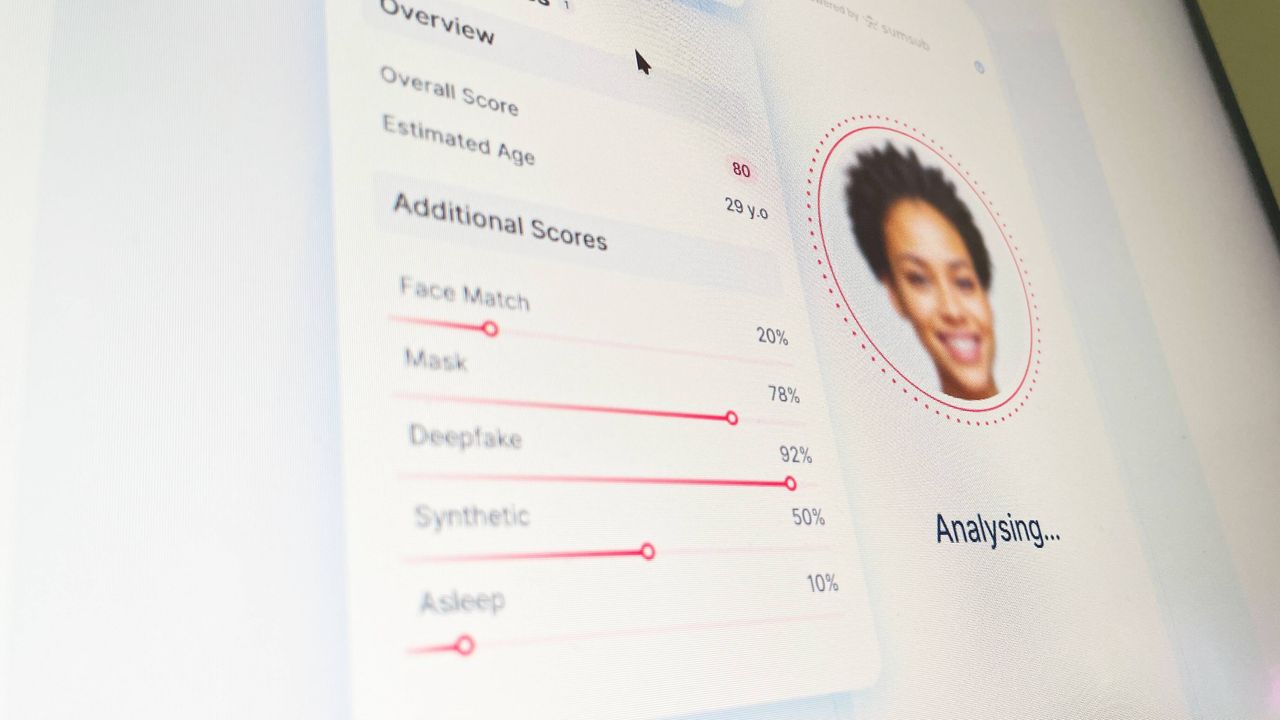
A new report from Internet Matters has shed light on the unexpected and often humorous ways children are circumventing the UK's Online Safety Act (OSA). While the legislation mandates that platforms implement strict measures to prevent minors from accessing age-restricted content, the reality on the ground suggests that digital barriers are being breached with surprising creativity.
Creative Methods for Byping Age Verification
The implementation of the OSA has led to various verification methods, ranging from digital ID requests to facial analysis technology. However, a survey of 1,270 UK children (aged 9–16) and their parents reveals that these safeguards are frequently being bypassed. In one striking anecdote, a mother of a 12-year-old boy noted that her son used an eyebrow pencil to draw a moustache on his face, which successfully tricked facial recognition into verifying him as 15 years old.
The report highlights several specific tactics used by minors to evade detection:
- 32% of children have reported bypassing age checks.
- 13% of users enter a fake birth date during registration.
- 9% of users utilize someone else's login credentials.
- Some users even resort to physical disguises, such as fake moustaches.
Beyond physical disguises, the report notes that some 11-year-old girls have seen clips of players using video games to spoof biometric checks. For instance, it has been possible to bypass Discord's age verification by using Death Stranding's photo mode to manipulate a character's facial expressions to mimic a human user.
Privacy Risks and the Impact of the Online Safety Act
While the intent behind the Online Safety Act is to protect minors, the methods used for enforcement raise significant privacy concerns. Requiring users to provide ID or biometric data creates a massive target for bad actors. The risks are already becoming tangible; following the rollout of its own verification system last year, an estimated 70,000 age verification ID photos may have been compromised in a Discord breach.
Furthermore, parental involvement in bypassing these checks is surprisingly high. According to Internet Matters:
- 25% of parents have allowed their children to bypass age checks.
- 17% of parents actively helped their children circumvent the rules.
- 9% of parents chose to "turn a blind eye" to the activity.
The Future of Online Safety in the UK
Despite the flaws in current enforcement, opinions on the Online Safety Act are somewhat divided. A significant majority of children desire better safety tools, with 90% calling for improved blocking and reporting processes. Additionally, 77% want stricter limits on who they can contact, and 74% advocate for restricted access to livestreams or comment sections.
The debate over the effectiveness of these measures continues to grow:
- 39% of parents believe the internet is safer post-OSA, while 28% believe it is less safe.
- 42% of children feel safer online now, compared to 16% who do not.
- 62% of surveyed parents support a total ban on social media for under-16s, mirroring recent legislative moves in Australia.
While the core problem may not be the concept of age verification itself, the report suggests that the current execution—focusing on how and why these checks are performed—remains highly controversial. As the UK debates potential bans on social media for minors, the effectiveness of the Online Safety Act remains a central point of contention.