The idea that the current state of the AI industry is a bubble fit for bursting isn't new. However, when a US senator identifies the trend as an obvious crisis, it warrants serious attention.
The Revenue Gap in the AI Industry
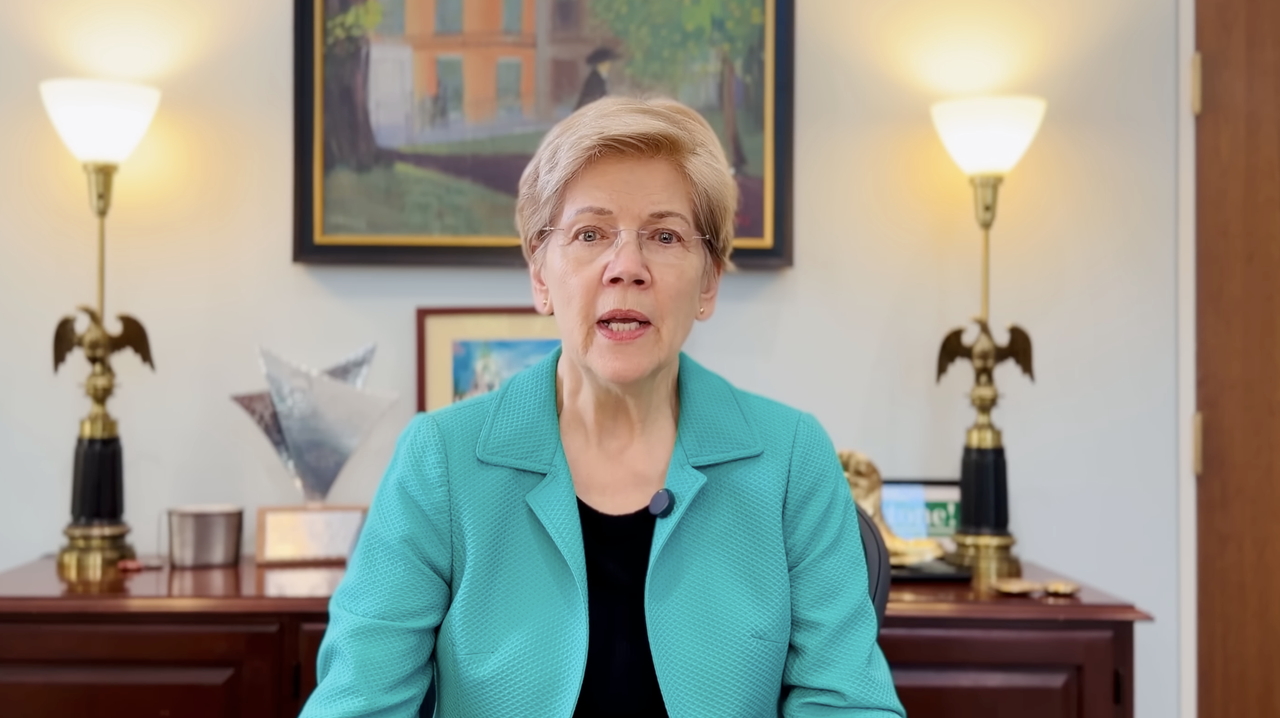
Speaking at the Vanderbilt Policy Accelerator event in Washington, veteran Senator Elizabeth Warren issued a stark warning. "I know a bubble when I see one," Warren stated.
Her central critique focuses on the massive disconnect between investment and returns. She argues that the revenues generated by AI services are failing to keep pace with the enormous capital required to sustain them. In the AI industry, the math simply does not add up for long-term stability:
- The sector needs to generate roughly $2 trillion in annual revenue by 2030 to "break even."
- In 2025, the industry generated just $20 billion in revenue.
- This figure represents only 1% of the revenue required to meet the 2030 goal.
Parallels to the 2008 Financial Crisis
Warren warns that if companies cannot increase revenues with "lightning speed," they will struggle to service their massive debt loads. She specifically cited concerns regarding shady accounting strategies that could trigger a wider economic collapse.
"The parallels to the 2008 financial crisis are striking," Warren noted. She argued that the reckless behavior of certain billionaires and Big Tech CEOs has turned a promising technology into a structural risk to our entire financial system.
Furthermore, Warren claims the current AI industry bubble is already four times the size of the housing bubble that triggered the 2008 crisis. She expressed deep concern that American families and workers cannot afford another economic catastrophe while still picking up the pieces from the Great Financial Crisis.
Seeking Taxpayer Bailouts
The Senator also accused tech leaders of being acutely aware of these systemic risks. Rather than reducing borrowing or cleaning up their balance sheets, she claims they are making a "classic billionaires’ move" by quietly lining up for a handout.
According to Warren, these companies have already lobbied the Trump administration for taxpayer funding and guarantees to protect themselves if the market fails.
Proposed Regulatory Guardrails
To mitigate this risk, Warren proposes several regulatory interventions aimed at protecting the economy:
- Restoring "guardrails" similar to those that once separated commercial and investment banks (reminiscent of the repealed Glass-Steagall Act).
- Establishing a new digital regulator to enforce anti-trust and consumer protection laws.
- Ensuring Big Tech companies pay their "fair share" in taxes.
While critics may dismiss these warnings as political fear-mongering, the sheer volume of capital at risk within the AI industry is difficult to ignore.