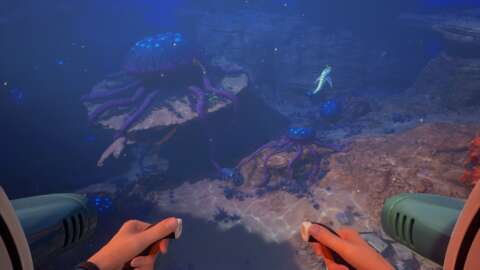
Rain drums against cracked concrete as a lone figure navigates the submerged corridors of Miskatonic University, flashlight cutting through murky water. The faint echo of distant screams mingles with the groan of collapsing structures, each step a reminder that survival is measured not in minutes but in instincts honed by terror.
This is the world of The Sinking City 2, a sequel that refuses to rest on its predecessor’s legacy. Instead of a straightforward open-world exploration, the game embraces a rigorous survival horror framework. It demands careful resource management and tactical decision-making, pushing the boundaries of what players expect from a licensed horror experience.
Redefining Survival Horror Mechanics
The developers have listened closely to early feedback regarding checklist-driven gameplay loops. The result is a tighter, more purposeful experience where every interaction feels earned rather than obligatory. This shift transforms the game from a simple detective simulator into a tense exercise in survival.
Atmosphere-Driven Tension
Atmosphere is not just a visual effect here; it is a core mechanic. The game utilizes dynamic weather systems that amplify dread through sudden squalls and dense fog banks. These environmental shifts do more than obscure vision—they force players to adapt their tactics constantly.
- Dynamic Weather: Sudden storms and fog banks create unpredictable scenarios, forcing players to rely on audio cues and limited visibility.
- Environmental Storytelling: Fragmented narratives are revealed through decaying records and environmental decay, allowing players to piece together the truth at their own pace.
Progression and Resource Management
Gone are the days of hoarding every item found. The new progression systems prioritize limited inventory slots, forcing players to make difficult choices between survival gear and collectibles. Character upgrades focus on resilience and stamina rather than raw offensive power, encouraging a defensive playstyle that heightens tension.
- Weight-Based Constraints: Inventory management relies on weight limits, encouraging deliberate item selection over traditional looting mechanics.
- Resilience Over Power: Upgrades enhance the protagonist’s ability to withstand attacks and navigate hazardous environments, rather than increasing combat lethality.
Narrative Depth and Moral Ambiguity
The central narrative of The Sinking City 2 pivots around a fractured protagonist whose motivations evolve through interaction with eldritch entities. Unlike linear horror experiences, this title encourages non-linear exploration of moral ambiguity.
Players are presented with scenarios where every decision carries tangible consequences. There is no clear "right" path, only choices that shape the narrative landscape. Environmental hazards often double as metaphors for internal conflict, blurring the line between physical and psychological terror.
Dialogue and Consequences
Dialogue choices influence alliances among survivor groups, creating a web of relationships that can aid or hinder progress. Furthermore, environmental cues alter narrative interpretation across playthroughs, ensuring that no two journeys are identical. This approach to storytelling invites players to question the reliability of their own perceptions, a hallmark of effective cosmic horror.
Technical Execution and Performance
Technical execution showcases significant improvements in rendering techniques and AI behavior. The water physics create realistic buoyancy effects while maintaining gameplay clarity, ensuring that the environment remains a threat without becoming a hindrance.
The inventory management system’s weight-based constraints are a notable departure from traditional looting mechanics, adding a layer of strategic depth to exploration. Performance optimization allows for consistent frame rates even when multiple environmental elements interact simultaneously, a crucial achievement for maintaining immersion in such a dense, chaotic world.
Community Reception and Future Outlook
Early previews have attracted polarized reactions. Critics have praised the game’s atmospheric fidelity while criticizing pacing inconsistencies. Player communities have debated whether the pivot to survival horror successfully translates the source material to interactive media.
However, subsequent patches have addressed accessibility concerns while enhancing horror elements through refined sound design. The game’s community engagement has improved through regular developer diaries and transparent roadmap updates, signaling a commitment to polishing the experience before launch.
What’s Next?
The Sinking City 2 represents more than a sequel; it embodies an evolution of survival horror principles within modern gaming. By balancing atmospheric immersion with meaningful player agency, the title reestablishes genre viability while offering fresh perspectives on narrative depth.
As development continues toward its full release, industry observers anticipate how these innovations will influence future horror experiences across platforms. The interplay between technical achievement and artistic vision positions this title as a benchmark for experimental gameplay design in challenging conditions.