InstaFarm Automated Indoor Microgreens Garden Review: Easy Being Green
Imagine the hum of a kitchen sink blending with the soft glow of LED strips. A beginner places a tray of dark soil onto a sleek white shelf, and within days, tender shoots push through the surface, ready to be snipped for a salad or blended into a smoothie. This cycle repeats week after week in a self-contained ecosystem that redefines home growing.
For those seeking a reliable Indoor Microgreens Garden, the InstaFarm offers a compelling proposition. But does it live up to the hype? Let’s dive into the details of this automated growing system.
Why Microgreens Matter
Microgreens pack intense flavor and nutrition into tiny leaves. Studies confirm their high concentration of vitamins and antioxidants, making them attractive to health-conscious households. Their versatility spans salads, sandwiches, smoothies, and garnishes, bridging the gap between commercial produce and personal cultivation.
InstaFarm’s Automated Approach
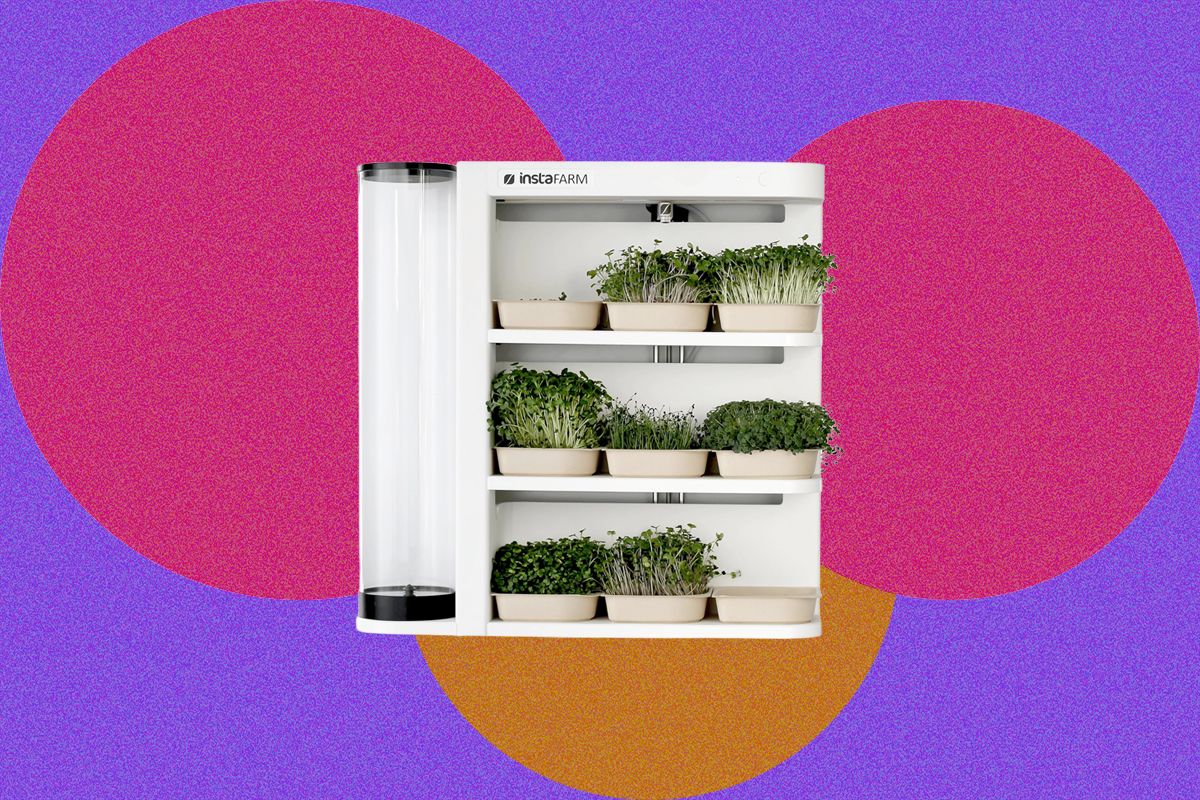
The InstaFarm positions itself as a plug-and-play solution for indoor growers of any experience level. Its design emphasizes ease of use, with pre-filled soil trays and proprietary seed varieties tailored to different culinary uses. The unit requires no assembly beyond unpacking and positioning it near a power source.
The process is straightforward:
- Setup: Unbox, fill the water reservoir, and activate the system.
- Operation: Sensors detect tray placement, and a motorized nozzle waters based on plant height, humidity, and temperature.
- Maintenance: Minimal; replace trays when spent and top off water as needed.
Performance Highlights
During testing, the unit performed reliably across multiple seed types. Here is what you can expect from the InstaFarm:
- Growth Speed: Microgreens emerge in approximately five days under optimal conditions.
- Consistency: The system maintains stable moisture and light cycles without frequent intervention.
- Pest-Free: The soil-based medium avoids many hydroponic pests, though occasional adjustments are required for specific crops.
Minor overshoots in watering were noted with certain beet varieties, but overall plant health remained robust. The sensory mechanism adapts to shelf placement, though slight adjustments may be necessary depending on cabinet height. Noise levels during nozzle operation are subtle yet noticeable in quiet environments.
Considerations for Potential Buyers
A notable high upfront cost exists at $499 for the full unit, which may deter budget-focused buyers. The footprint—about 6 inches by 18 inches—does not fit under all cabinetry, especially lower-profile models. Proprietary trays restrict flexibility, as third-party accessories are unavailable.
Pricing tiers offer smaller seed samplers at $23 for experimentation, suitable for testing varieties before committing fully. The InstaFarm includes a companion app, though most functionality is tactile via a single-button interface. Night mode deactivates lights temporarily, useful for uninterrupted sleep or travel. The app’s value lies in remote monitoring and alerts rather than transformative enhancements.
Sustainability and Waste
Each tray’s compostable structure reduces plastic dependency compared to traditional hydroponic setups. After harvest, trays decompose naturally or can be repurposed for garden beds. The absence of chemical additives aligns with organic growing principles.
Comparative Market Analysis
Against competitors like Vego hydroponics ($60 for two units) and Gardyn ($100), InstaFarm delivers greater yield volume but at a premium. The investment pays off for enthusiasts who prioritize variety, speed, and minimal upkeep. Bulk seed packs enable cost-effective experimentation without overspending on full systems initially.
Verdict
The InstaFarm succeeds as an entry point into indoor microgreens for newcomers and seasoned cooks alike. Its automation reduces complexity while delivering consistent harvests. While the price point demands consideration, the system’s reliability and output justify the expense for those committed to fresh produce.
Future iterations may address spatial constraints and expand compatibility with diverse growing media. As urban living expands, compact, high-yield solutions will shape how communities access nutrients. InstaFarm exemplifies how technology can democratize agriculture within limited spaces. Continued refinement could integrate more robust sensors, broader seed libraries, or modular designs for shared kitchens and co-living spaces.