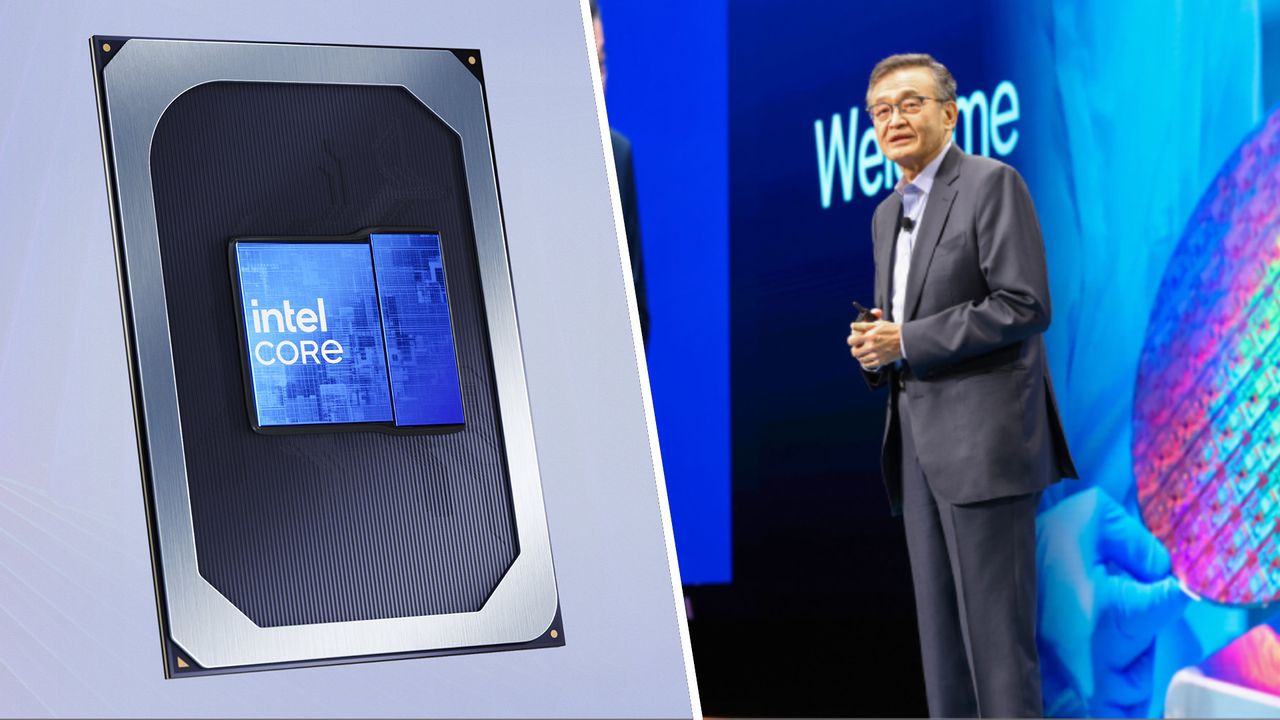
Intel CEO Lip-Bu Tan recently sat down with Mad Money host Jim Cramer to discuss the semiconductor giant's recent turnaround and the strategic shifts driving its recovery. During the wide-ranging discussion, Tan addressed the company's previous struggles, acknowledging that past management hurdles contributed to Intel's shaky position in the market.
Breaking Down Silos and Engineering Failures
Tan was candid about the structural issues that plagued the company prior to his arrival. He noted that a lack of direct oversight prevented critical technical issues from being addressed effectively at the executive level.
"In the past, we made a lot of mistakes, and now we correct that mistake, and we simplify the roadmap," Tan explained. "From day one I came on board as a CEO, I have all the engineering report to me."
When questioned by Cramer about why previous leadership didn't have this level of visibility, Tan clarified the structural breakdown:
- Excessive Silos: The company suffered from too many disconnected departments.
- Reporting Chains: Too many layers of management meant information was lost.
- Lack of Attention: Even when issues reached the CEO, they were often overlooked due to poor reporting structures.
To fix this, Tan implemented a hands-on approach designed to identify core problems quickly. This allowed him to focus on redesigning products, simplifying roadmaps, and ensuring the delivery of "killer products."
Improving Intel Foundry and 18A Yields
The shift in management has had a tangible impact on Intel Foundry. Tan revealed that when he took over, the yields for the 18A process were significantly underperforming. To rectify this, he collaborated with ecosystem partners to analyze data and establish higher industry standards.
"The best practice is to see seven or eight percent yield improvement per month, and now I'm seeing it," Tan noted, signaling a massive technical recovery.
While Tan credited himself for the structural changes, he emphasized that success relies on teamwork and specialized talent. He described Intel's current trajectory as a service-oriented business where rebuilding customer trust is paramount.
Looking Ahead to 14A Production
The roadmap for Intel's future technology appears more aggressive than ever. Tan confirmed that the company aims to have risk production for its upcoming 14A process underway by 2028, with volume production slated for 2029.
"It will be the same time as TSMC," Tan stated, calling the timeline a "major, major breakthrough."
With high-profile interest—including Elon Musk's Terafab project eyeing the 14A tech and ongoing industry shifts involving Nvidia—Intel’s ability to maintain this momentum will determine if its recent wins are a permanent pivot or just a temporary surge.