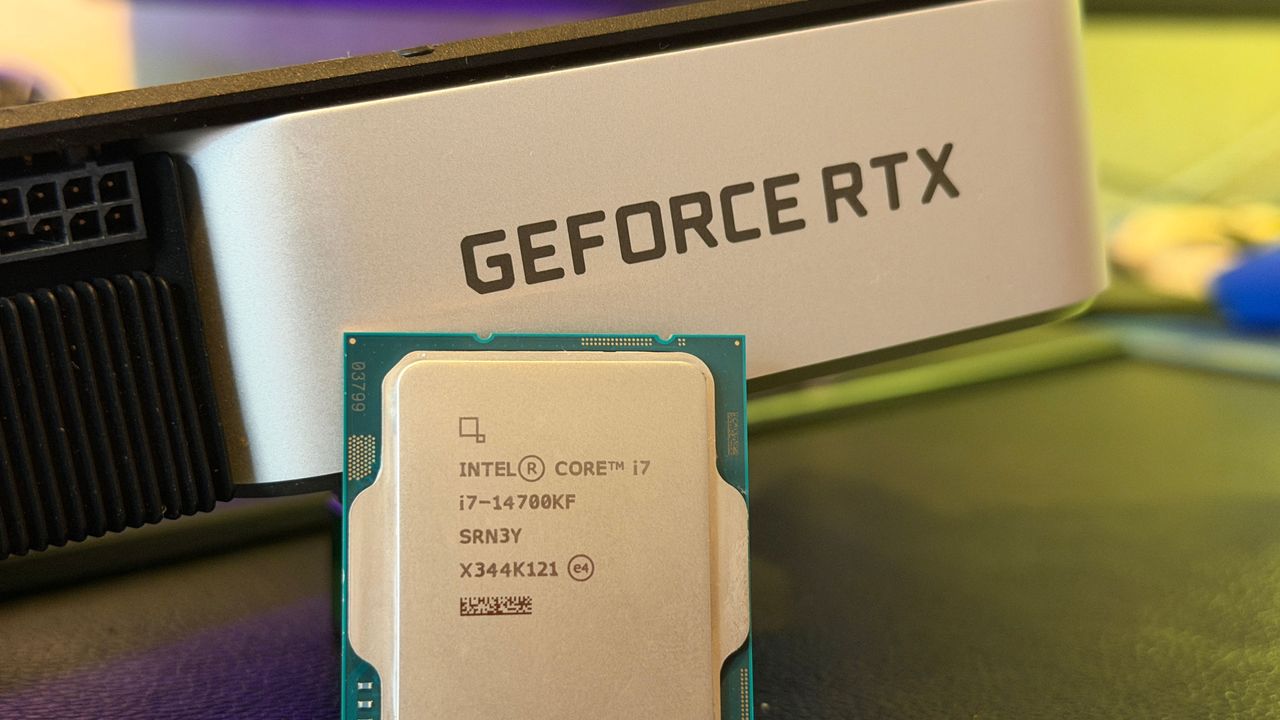
Intel's First Chip with Nvidia Graphics Set for Early 2028
Intel and Nvidia have both confirmed their plans to combine Nvidia's graphics chiplets with Intel's CPUs, a move that could redefine the landscape of handheld PC gaming. While the timeline for this integration had remained unclear, a recent leak suggests that the first Intel processor featuring Nvidia graphics could launch in early 2028. This aligns with the CES 2028 event, a major stage for tech announcements. The leak comes from tech journalist Erdi Özüağ, who claims that Intel's roadmap points to Q1 2028 as the target release window for these next-generation processors.
This potential release date also coincides with the arrival of new desktop GPU generations, which could make the integration of Nvidia's graphics units into Intel processors even more impactful. According to the leak, the new chip could feature Nvidia's upcoming Rubin graphics architecture. This architecture is set to debut in Nvidia's own RTX Spark superchip, which is expected to launch in 2028. While the exact timeline for desktop graphics cards based on the Rubin architecture is still uncertain, the 2028 timeframe seems plausible.
The Future of Handheld PC Gaming
If the leaked information is accurate, 2028 could mark a turning point for APUs (Accelerated Processing Units), which combine CPU and GPU in a single package. These chips are the backbone of handheld gaming devices like the Steam Deck and Asus ROG Ally. The arrival of Intel-Nvidia hybrid processors could push the performance of these handheld PCs to new heights. Alongside these new chips, we might also see the launch of Nvidia's second-gen RTX Spark in 2028, as well as potential new APUs from AMD, codenamed Grimlock Point and Grimlock Halo.
Silicon production nodes are also expected to play a significant role in the performance and efficiency of these new APUs. By 2028, TSMC's N2 node and Intel's 14A node are expected to be mature, allowing for more advanced chip designs. These advancements could lead to higher performance and better power efficiency in handheld gaming devices.
The possibility of a Steam Deck 2 launch in 2028 is particularly exciting. Valve has been vocal about its desire to wait for significant improvements in performance and efficiency before releasing a follow-up to the original Steam Deck. With the anticipated release of new APUs in 2028, the conditions for such a device could finally be met. However, the success of these new devices will also depend on the resolution of the current memory shortage, which could influence their cost and availability.