Recent reports suggest a massive shift in Intel's manufacturing priorities, potentially forcing PC builders into a corner. According to Nikkei Asia, Intel is aggressively pushing its client PC customers to adopt the latest, most expensive 18A silicon technology. This strategic pivot appears to be a direct response to the "surging" demand for server CPUs driven by the global AI boom.
As Intel prioritizes high-margin server chips, the availability of older components is becoming increasingly uncertain. This shift has significant implications for hardware enthusiasts and system integrators alike.
The Supply Crunch: Intel 7 and TSMC Constraints
The report indicates that Intel's older Intel 7 process node—which powers current desktop staples like the 13th Gen Alder Lake and 14th Gen Raptor Lake (including the Core i7-14700K)—is being reserved for more profitable server products. This creates a bottleneck for traditional consumer hardware.
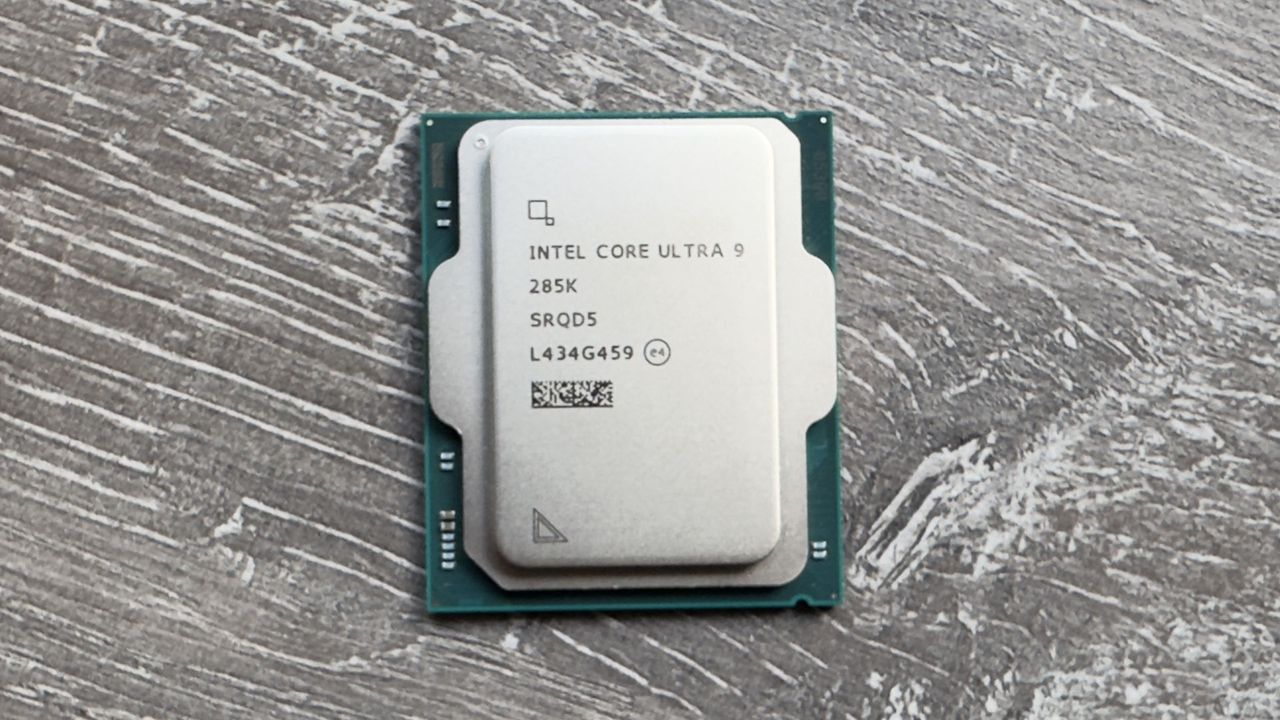
The supply issues aren't limited to Intel-manufactured silicon, however. The report claims that constraints also extend to CPUs manufactured by TSMC, which leads to major concerns regarding the future of Arrow Lake desktop chips.
Key takeaways from the current supply landscape include:
- Intel 7 Deprioritization: PC builders are being told that older nodes are unlikely to receive additional supply allocations.
- Forced Upselling: Manufacturers may be forced to buy 18A-based chips to secure their orders.
- Limited Selection: One executive reported receiving only a fraction of their requested Intel 7 CPUs, with the remainder being replaced by 18A technology under threat of cancellation.
What This Means for Arrow Lake and Future Hardware
If these reports are accurate, the immediate outlook for desktop enthusiasts is complicated. Currently, there are no 18A desktop CPUs on the market; that technology isn't expected to see wide retail availability until the arrival of Nova Lake, likely closer to 2027.
This creates a strange paradox for Intel’s recent product roadmap. The company recently launched Arrow Lake Plus models, such as the Core Ultra 7 270K Plus and Core Ultra 5 520K Plus, intended to offer a better value proposition. However, if these chips are being deprioritized in favor of server silicon or 18A mobile chips, their market presence may be severely limited.
Impact on Mobile and Laptop Pricing
The ripple effects will likely be felt most heavily in the laptop market. While Intel has introduced budget-friendly Wildcat Lake chips (cut-down versions of the 18A-based Panther Lake), they may not satisfy high-end users.
- Budget Laptops: Will rely on lower core counts via Wildcat Lake.
- Gaming Laptops: High-performance portables will likely be forced into more expensive Panther Lake CPUs, as older Raptor Lake and Arrow Lake mobile chips become harder to source.
While the scarcity of Intel 7 silicon is frustrating for builders, it does suggest that 18A technology is reaching a level of maturity where Intel feels confident pushing it onto the market. Whether this results in higher consumer prices or improved efficiency remains to be seen.