Intel's fabs may at long last be worth all those billions of dollars
After years defined by uncertainty, significant job cuts, issues with self-destroying CPUs, and massive capital expenditure on its foundries, Intel has finally made strides toward a stronger position. This turnaround is largely driven by strategic partnerships with major AI and tech giants, as well as the successful reception of its latest product lines. The market agrees with this assessment, pushing Intel's valuation to its highest level in over two and a half decades. Consequently, the narrative that Intel's fabs may at long last be worth all those billions of dollars is gaining serious traction among investors and industry analysts alike.
A Market Cap Milestone After Decades of Struggle
According to reports by Tom's Hardware, historical data confirms that Intel's market capitalization recently breached the $300 billion mark for the first time since October 2000. As tracked by CompaniesMarketCap, this achievement places Team Blue as the 47th most valuable company in the world based purely on valuation metrics. While Intel trails behind competitors like AMD ($385 billion) and Nvidia (approximately $4.5 trillion), direct comparisons can be misleading due to fundamental business model differences.
Unlike its rivals, Intel retains ownership of extensive manufacturing plants for both CPUs and GPUs, a legacy asset that has historically acted as a financial drain rather than a profit engine. For most of the company's 57-year history, Intel produced chips exclusively for itself, meaning these fabs rarely generated external revenue to justify their immense operational costs. However, this dynamic is shifting as the company leverages its unique manufacturing capabilities to serve outside clients and emerging AI markets.
Strategic Foundry Partnerships and Product Renaissance
The potential for Intel's fabs to become a primary profit driver has accelerated with major new agreements. Intel has officially joined Elon Musk's Terafab project, creating opportunities for its facilities to manufacture or package advanced AI chips for SpaceX and Tesla. This move signals a pivot toward becoming a foundry partner that supports the most ambitious players in the tech industry.
In addition to the Terafab deal, Intel recently secured a significant chip agreement with Google, further validating its manufacturing relevance. The market enthusiasm is also fueled by the strong reception of specific product launches:
- Panther Lake: A highly anticipated mobile processor line showcasing improved efficiency and performance.
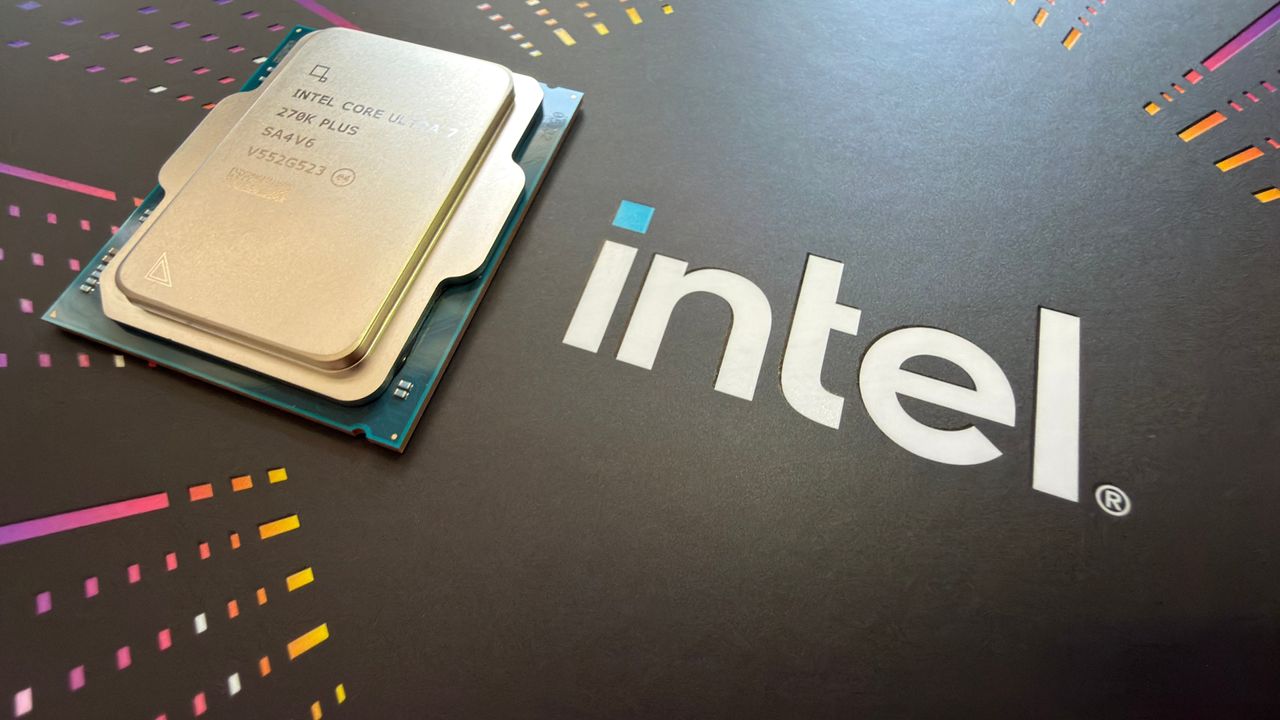
- Arrow Lake 200S Plus: A desktop chip series that has reportedly exceeded industry expectations.
These products, combined with external foundry wins, suggest investors believe the company is finally on a sustainable path to regaining its former glory. This optimism stands in stark contrast to other US-based semiconductor firms; while companies like Texas Instruments and Qualcomm remain static or are currently sliding in value, Intel appears to be climbing steadily.
Why Manufacturing Dominance Matters for Competition
Investors are primarily focused on Intel's ability to chase down manufacturing orders, as this capability underpins the company's long-term viability regardless of desktop CPU performance fluctuations. Despite past issues where processors have failed prematurely, Intel maintains a dominant share in the overall processor market. While AMD is making significant headway in server chips and continues to rule PC gaming and consoles, the presence of a healthy competitor remains crucial for the ecosystem.
A robust rivalry between Intel and AMD benefits consumers by preventing total market domination, which can stifle innovation and drive up prices. This is particularly relevant when considering the graphics card market, where lack of competition has historically led to negative outcomes for buyers. While investors may be less concerned with consumer sentiment than product quality, they are clearly happy with how things are unfolding at Intel right now. As Intel's fabs secure more high-value contracts and deliver better silicon, the argument that these billions in infrastructure were a necessary investment seems increasingly valid.