Creating a game that fundamentally changes how players experience narrative is no small feat. For Ken Levine, the creator behind Bioshock and BioShock Infinite, this ambition is the core reason his upcoming title, Judas, has been a decade in the making.
In a recent interview with IGN, Levine explained that the extended development cycle wasn't driven by graphical leaps or rendering technology, but by the complex challenge of building a narrative engine that truly reacts to the player.
The "Narrative Lego" System
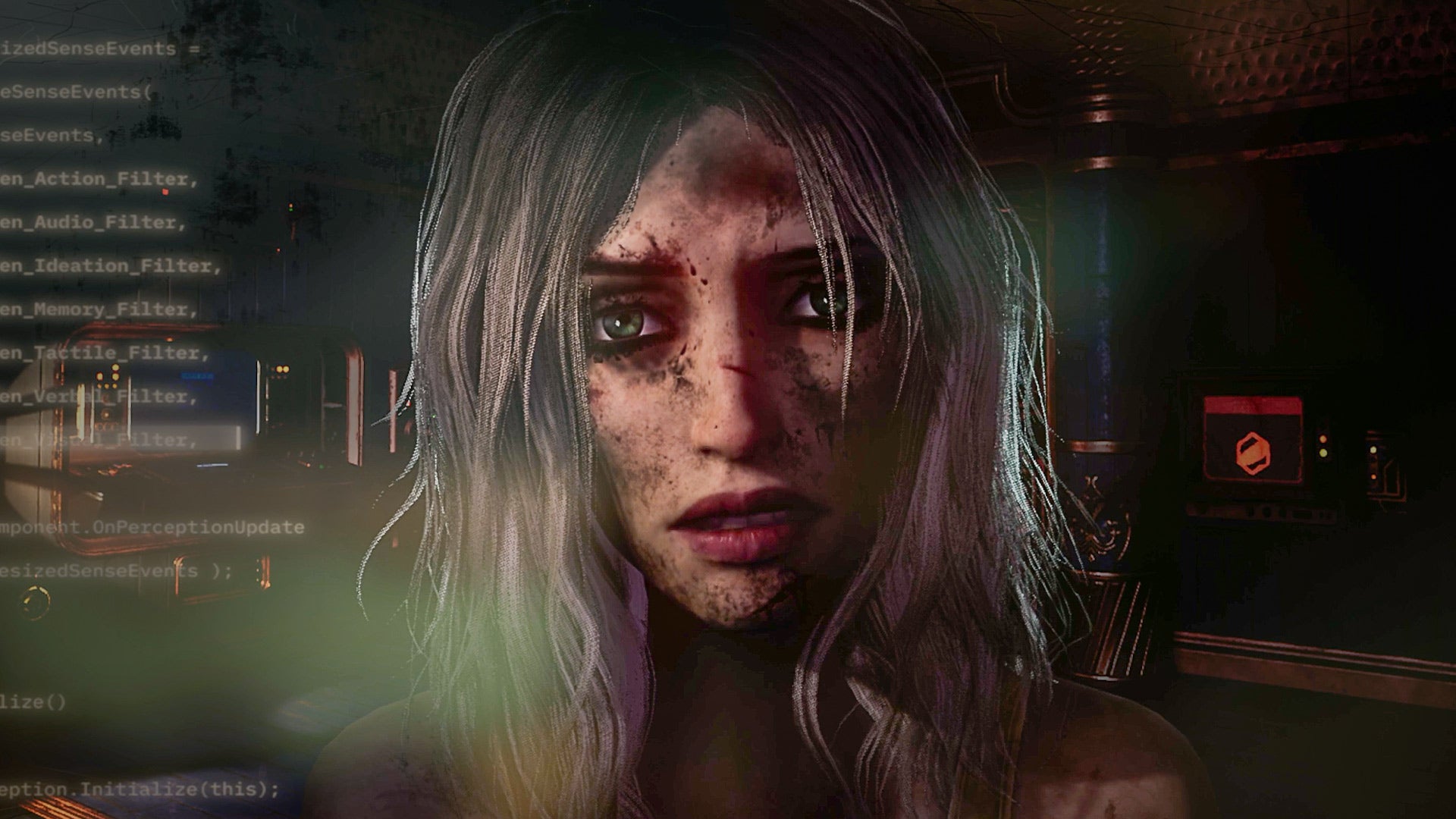
Levine revealed that the primary bottleneck for Judas was figuring out how to craft stories that respond dynamically to player actions. While previous titles in the Bioshock franchise are beloved for their linear storytelling, Levine wanted to push further into reactive narratives.
"The reason it took so long is not really related to rendering technology or anything like that," Levine explained. "It was figuring out how we crafted the system, this narrative Lego system that is combining modular elements together dynamically at runtime to make stories happen that are very reactive to the player."
This new approach required a radical shift in design philosophy:
- Modular Storytelling: Instead of pre-scripted sequences, the team built a system where story elements are combined on the fly.
- Maximum Leverage: The goal was to write stories that utilize this system to its fullest potential, allowing for high reactivity.
- Breaking Linear Constraints: Levine noted that while fans love the stories from BioShock and BioShock Infinite, they are largely linear experiences outside of combat. Judas aims to be the opposite end of that spectrum.
A Dystopian Sci-Fi Thriller
At its core, Judas is a first-person shooter with a science fiction soul. The game is set aboard the Mayflower, an interstellar ark carrying the remnants of humanity to a new home on Proxima Centauri.
The setting is defined by a Big Brother-style oppressive society controlled by machines. The protagonist, also named Judas, is determined to burn this system down, regardless of whether the population of the Mayflower supports her rebellion. This intense, high-stakes narrative is the brainchild of Levine and his studio, Ghost Story Games.
"Kissing Many Frogs" Along the Way
Developing this new engine was a trial-and-error process. Levine admitted that the team spent significant time building raw technology on top of Unreal Engine before they could effectively write for it.
"So first we're just doing the raw technology... And then there was, okay, how do we write for this? How do we build encounters for this?" Levine said. "And we kissed many, many, many frogs along the way. And time just was passing."
He acknowledged that a ten-year development cycle might seem excessive to players, but he insisted the time was necessary to get the interactive narrative mechanics right. "I get it that it's a long time and it seems like a hugely long time. I'm not sure how we would have kissed those frogs any faster."
The High Cost of Scope
Levine also offered insight into why modern games take longer to create compared to previous generations. He pointed to increasing scope as a major factor.
"Some of it I'm sure is the scope of the games increasing; they just get bigger and bigger," he said. "When you increase the scope of the game, there are exponential effects on everything. Like you have more people… and more people means more communication problems."
He highlighted the difficulties teams face when taking over codebases or managing staff changes, citing the complex history of the Metroid franchise as an example. However, he remains hopeful that Judas will not be followed by another decade of silence.
"My hope is with the next game we've built all the rudiments of the functions for Judas, and now, more importantly, we know how to use it," Levine said. "What works well and what doesn't."
Because Judas relies on a radically different model than previous projects, the team is still getting their heads around the new underpinnings. But with the groundwork laid, the path forward may be clearer.
Release Platforms
While Judas does not currently have a specific release date, fans can expect it to launch on PS5, PC, and Xbox Series X and S when it is ready.
Levine’s comments were part of the IGN Icons series, which celebrates the last 30 years of the video game industry and the visionaries who have pushed it forward.