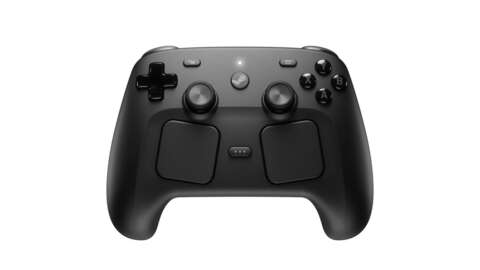
Does the specialized utility of proprietary input technology justify a triple-digit price tag? With recent leaks regarding a $99 launch price, many gamers are asking: Is the Steam Controller worth $100? This debate is heating up within both the handheld and PC gaming communities. While a hundred-dollar entry point may seem steep, the context of the current hardware market suggests a more nuanced valuation.
Precision vs. Functionality: Is the Steam Controller Worth $100 in Features?
The core controversy lies in the trade-off between familiarity and functionality. Early reports suggest that this upcoming iteration of Valve's hardware may lack certain enthusiast-grade features, such as customizable thumbsticks and hair triggers. For players accustomed to the precision of a dedicated Xbox or PlayStation peripheral, this omission could feel like a regression.
The Power of Advanced Tracking Pads
However, the inclusion of advanced tracking pads remains the hardware's most compelling argument. Unlike traditional analog sticks, which struggle with the precise cursor movements required for strategy games, trackpads offer a level of granular control that mimics desktop-class mouse input.
This makes the controller less of a direct replacement for an existing gamepad and more of a specialized tool for specific genres. When debating whether the Steam Controller is worth $100, one must recognize that its value lies in expanding the library of playable genres on portable hardware rather than replacing standard controllers.
The Ecosystem Multiplier and Steam Deck Integration
Hardware does not exist in a vacuum, and for Valve, the controller is inextricably linked to the success of the Steam Deck. A significant portion of the device's value is derived from its seamless integration within the broader Steam ecosystem.
When evaluating if the Steam Controller is worth $100, it is essential to account for how this device functions as an extension of the handheld experience. The potential benefits include:
- Enhanced UI Navigation: Utilizing trackpads to navigate large, complex menus that are difficult to manage with thumbsticks alone.
- Cross-Device Synergy: The ability to transition between a desktop setup and a handheld mode without sacrificing input precision.
- Genre Expansion: Enabling high-fidelity play in RTS or 4X titles that were previously considered "unplayable" on mobile hardware.
The Final Calculation: Competitive Market Positioning
Determining whether $99 is a fair price requires looking at the competition. In a market where "Pro" controllers from major manufacturers frequently command prices between $150 and $200, a sub-$100 device that offers unique, non-standardized input methods presents a disruptive possibility.
The lack of certain high-end features may limit its appeal to competitive FPS players, but for the enthusiast who values versatility over raw speed, the price is arguably competitive. The ultimate success of this hardware will depend on whether Valve can convince users that tracking pad technology provides enough transformative utility to offset the loss of traditional features.