A Japanese website owner fined $6,300 for posting Godzilla and Overlord spoilers has recently been handed an 18-month suspended prison sentence by the Tokyo District Court. The ruling follows allegations that the administrator published in-depth plot breakdowns of major anime and film releases, infringing upon established copyright laws.
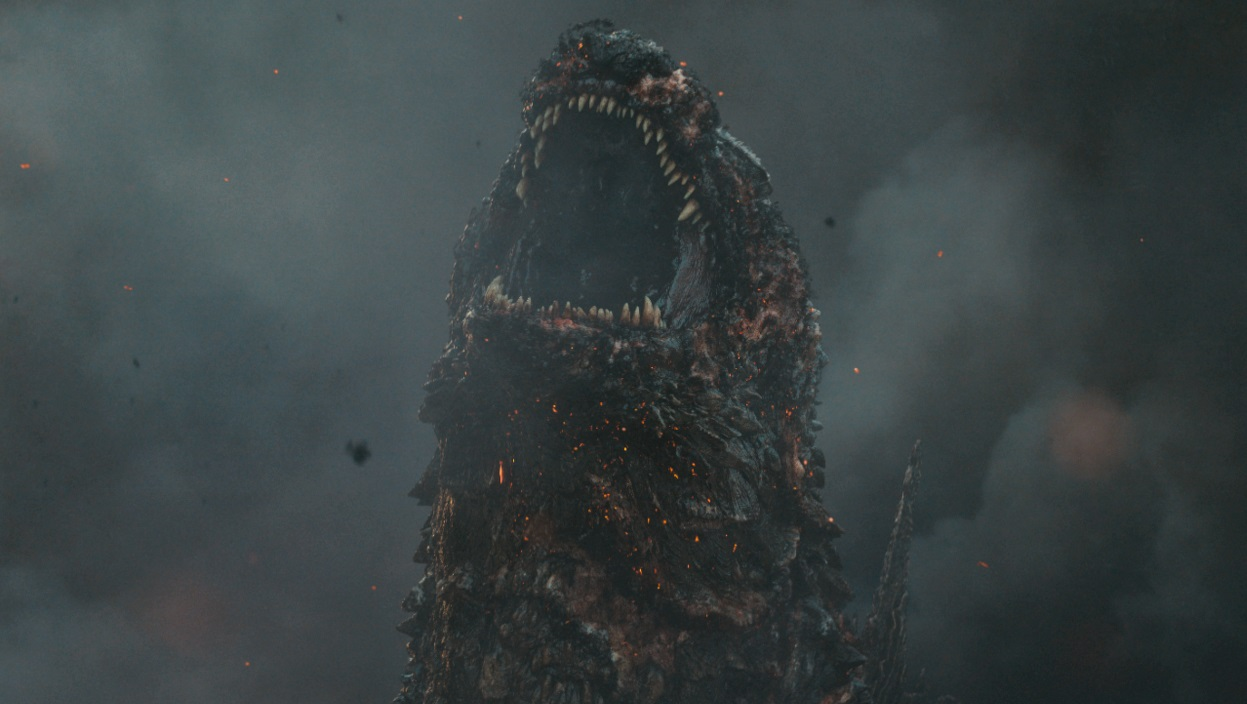
As reported by Dexerto, a 39-and-year-old man was charged with violating Japan’s Copyright Act. The charges stemmed from detailed articles summarizing the plots of Episode 1 of the 2018 anime Overlord III and the 2023 film Godzilla Minus One. These summaries, which were produced by contractors, were released shortly after the official premiere dates of the respective works.
The Legal Debate: Adaptation vs. Summary
The central dispute in this case involved whether these text-based summaries constituted unauthorized adaptations of the original media. According to Asahi Shimbun, Japanese copyright law stipulates that only the rightsholder, or those with explicit permission, may create adaptations of an existing work.
The prosecution presented several key points regarding the depth of the infringing content:
- The Godzilla Minus One article exceeded 3,000 Japanese characters (roughly 1,300–1,400 words) and covered the entire plot from start to finish.
- The Overlord III article featured specific dialogue segments and various still images.
- The timing of the posts closely aligned with the official release windows of both titles.
The defense argued that a text summary cannot convey the "essential characteristics" of a cinematic work, as movies rely on the combination of music, acting, and visuals to evoke emotion. They specifically noted that for kaiju films like Godzilla, the visual elements are vital to the experience.
Why This Japanese Website Owner Fined $6,300 for Posting Godzilla and Overlord Spoilers Matters
Despite the defense's claims, the court ruled that the articles provided enough information for a reader to grasp the "essential characteristics" of the works without actually watching them. The judge further noted that these posts deprived copyright holders of the chance to receive fair remuneration.
The financial motivation behind the site played a significant role in the verdict. In 2023, the year Godzilla Minus One was released, the administrator's website generated over 38 million yen (approx. $238,600) from advertisements alone. Consequently, the judge concluded that the articles were posted with a "self-serving" intent to profit and stated that the defendant was "deeply accountable."
A lawyer representing Toho, the rightsholder for Godzilla, told reporters that the article was a "malicious attempt to freeload off the efforts of the creators" and called the court's ruling "natural."
CODA and the Crackdown on Content Piracy
Both Toho and Kadokawa (the rightsholder for Overlord) are members of CODA (Content Overseas Distribution Association), an organization dedicated to taking countermeasures against piracy. CODA has recently been active in targeting "fast movies"—highly compressed, narrated videos that summarize entire plots to bypass traditional viewing.
This legal precedent suggests that written summaries may now face similar scrutiny if they are found to profit from timely spoilers. CODA's reach even extends to the burgeoning field of generative AI. Last year, the association called on OpenAI to cease the unauthorized training of its Sora 2 model on member IPs, which include major gaming companies like Square Enix and Bandai Namco.