The Diminishing Returns of Hyper-Realism
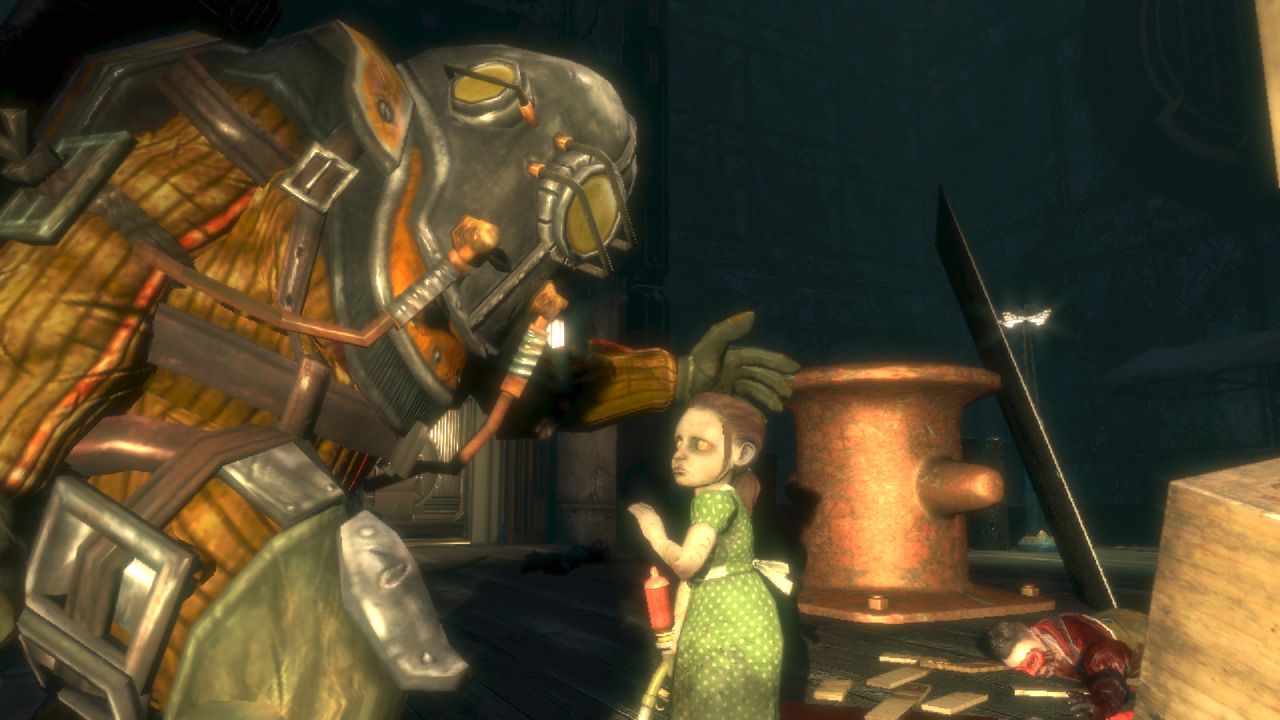
I am firmly on the System Shock side of the personal divide that exists almost exclusively in my head, but I’ll give Rapture its due: it was goddamn stunning when I first took that bathysphere jaunt back in 2007. The barnacled Art Deco aesthetic was a heck of a look, and it still is today. I can vouch for that firsthand, having replayed BioShock 1 and 2 just a couple of years ago on my trusty Steam Deck.
In a recent conversation with IGN, Irrational Games vozhd and narrative architect Ken Levine explained the philosophy behind that enduring visual appeal. He argues that the studio never felt compelled to chase the absolute latest graphics technology, a decision that has paid off in longevity.
Prioritizing Style Over Raw Fidelity
"I don't think we've ever been a company that was like, 'Oh my god, we need the latest and greatest technology,'" Levine stated. He noted that outside of SWAT 4, the team never really tried to pursue ultra-realism in their games.
This stance is driven by two main factors:
- Cost and Complexity: Cramming the latest rendering techniques into a game is prohibitively expensive and resource-intensive.
- Artistic Longevity: Hyper-realistic graphics tend to age poorly compared to stylized art directions.
"It doesn't age as well as more stylistic things," Levine explained. "BioShock still looks good, I think because it wasn't trying to get every nut and bolt [looking] super realistic." Instead, the goal was to get every nut and bolt looking wet and gross—a design choice that remains visually striking years later.
The Shift Toward Artistic Direction
Levine suggests that the industry is reaching a point where the endless chase for higher fidelity is becoming less viable. He points to recent hardware announcements as evidence that we are hitting diminishing returns with bleeding-edge graphics tech.
"Look at, say, the Switch 2, and the new Steam Machine coming out. Those are not massive technological upgrades. That wasn't their strategy. I think people are realising we're hitting a bit of diminishing returns with that."
So, what is the alternative approach? According to Levine, success lies in strong creative leadership rather than technical prowess.
"I think if you have the right art director, and the right approach, you don't need to be on the cutting edge of technology all the time," he said. He highlighted the work on Judas, noting that the heavy lifting is not on the CPU, but on the creative team: "It's work-intensive on our side."
Why Art Direction Trumps Specs
It is difficult to argue against Levine’s perspective. While someone must ride the bleeding edge to advance technology for everyone else, not every game needs to force path tracing and DLSS into a visual novel about a horse.
The most visually arresting game many players have experienced recently was likely Metaphor: ReFantazio. Its impact wasn't due to groundbreaking tech that differs significantly from Persona 5, but because it feels like everyone was forbidden from saying no to the art team during development.
If that doesn't illustrate Levine's point about the superiority of artistic integrity over raw graphical power, it is hard to know what would.