Life is Strange: Reunion Review – A Fitting Finale for Max and Chloe’s Saga
Few games have stuck with me as long after completion as the original Life is Strange did way back in 2015. While we’ve enjoyed great spinoffs and an excellent follow-up like 2024’s Life Is Strange: Double Exposure, it felt like the series was missing a crucial element. That one core aspect, which made the original resonate so deeply over a decade ago, is finally present in Life is Strange: Reunion. With the return of series co-protagonist Chloe, this title not only delivers another chapter to its expanding world but acts as a shining example of how to end a long-lasting story like Max and Chloe’s. The narrative begins about a year after Double Exposure, swapping perspectives between the two protagonists as they navigate their divergent paths.
A New Chapter for Old Friends
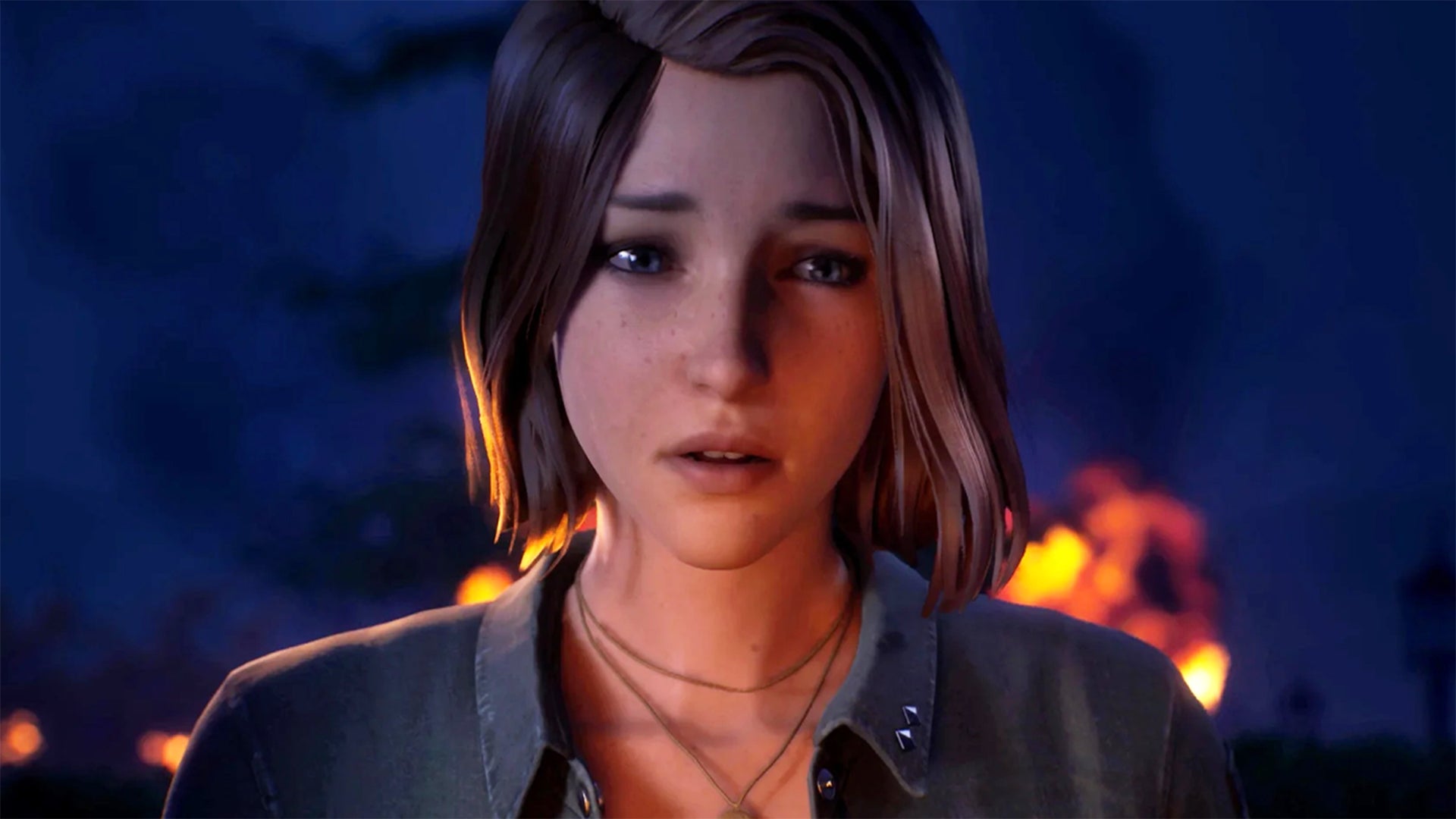
This iteration of Chloe has moved on from the events of the original game, becoming a manager for an all-girl punk band. She is now in her thirties, yet remains fiercely herself despite a new hair color. While she has dealt with strange visions involving Max, she eventually decides to investigate what happened. Meanwhile, Max has grown into a teacher and photographer, finally finding a place to call home after the ramifications of past events merged multiple timelines. Her happiness is abruptly shattered by a devastating fire at Caledon University that destroys the campus and results in brutal deaths for her students and friends.
The game transitions from 0-60 with shocking speed; within minutes of the title card appearing over a picturesque fall day, Max is forced to watch people choke to death in flames. She uses her time reversal powers to blast back three days, kicking off a "whodunnit" mystery that never slows down. The story takes unexpected twists where choices feel significantly more meaningful than in Double Exposure, True Colors, or the original episodic game. I made decisions that completely altered the ending and the fate of characters I had not expected to lose. This depth motivated me to replay the title multiple times to discover every thread, from skippable text messages and journal entries to well-executed podcasts that expand the world without unnecessary bloat.
The Weight of Death and Time
Death anxiety plays a massive role in Life is Strange: Reunion. Both protagonists have grappled with the deaths of each other and countless others. Max has witnessed and participated in Chloe’s death multiple times, while Chloe must live with visions of Max killing her. The stakes are uniquely high here; unlike past entries dealing with loneliness or depression, this game gives Max the ultimate "what if" scenario by restoring the most important person in her life only to threaten her loss again and again.
The plot reaches its emotional zenith when witnessing the consequences for Safi, Chloe, and the rest of Caledon University whenever Max rewinds time to fix the future. However, the storytelling is not flawless. There were moments where interacting with more optional characters could have made Caledon feel even more lifelike. Around the start of the third act, I felt Max and Chloe deserved more time to discuss their lives and the trauma of seeing the love of one’s life return from the dead—a death I personally chose for her in 2015 or how their relationship deteriorated after leaving Arcadia Bay. While they do share moments catching up on past traumas, a deeper exploration of the psychological impact of resurrection would have strengthened the narrative further.
Gameplay Mechanics and Final Verdict
The gameplay in Life is Strange: Reunion adheres to the point-and-click whodunnit formula but introduces fresh twists that keep this final outing for Max and Chloe engaging. Max utilizes her standard time reversal powers to solve intricate puzzles, such as a high-pressure sequence requiring players to cut power to explosives within seconds. Admittedly, I died a few times while trying to figure out the optimal solution during these tense moments. Despite minor pacing issues regarding dialogue skips, Life is Strange: Reunion stands as a focused and compelling conclusion that respects the legacy of its predecessors.
Key gameplay features include:
- Time Rewind Mechanics: Essential for solving puzzles and altering outcomes in real-time.
- Consequence-Driven Choices: Decisions made early on fundamentally reshape character fates and story endings.
- Environmental Storytelling: Utilizing text messages, journals, and podcasts to deepen lore without overwhelming exposition.
Ultimately, Life is Strange: Reunion successfully recaptures the magic that defined the original series while evolving its narrative depth. It delivers a bittersweet, impactful finale that honors Max and Chloe’s journey through the chaos of time and loss.