Life is Strange's Soundtrack: A Timeless Collection of Licensed Bangers
Eleven years after its initial release, Life is Strange's soundtrack stands as a definitive case study in how licensed music can function as a primary narrative engine rather than mere atmospheric filler. The game’s carefully curated collection transcends the typical "cool song for a cutscene" trope to become an emotional anchor that has aged with surprising resilience. While many titles from the mid-2010s have succumbed to dated humor or graphical quirks, the musical landscape of Arcadia Bay continues to resonate, proving that Life is Strange's soundtrack can outlast even the most robust original scores.
The Indie Rock Aesthetic as Narrative Anchor
Unlike contemporaries that relied on high-octane rock anthems or generic electronic beats to signal "youth," this game leaned heavily into the melancholic, lo-fi indie rock that defined a specific era of alternative culture. Tracks from artists like Syd Matters, Beach Fossils, and The Longest Johns create a sonic palette that feels simultaneously intimate and expansive. This choice immediately establishes the game’s tone: it is not a high-stakes action thriller, but an introspective journey through the anxieties of growing up in a small town.
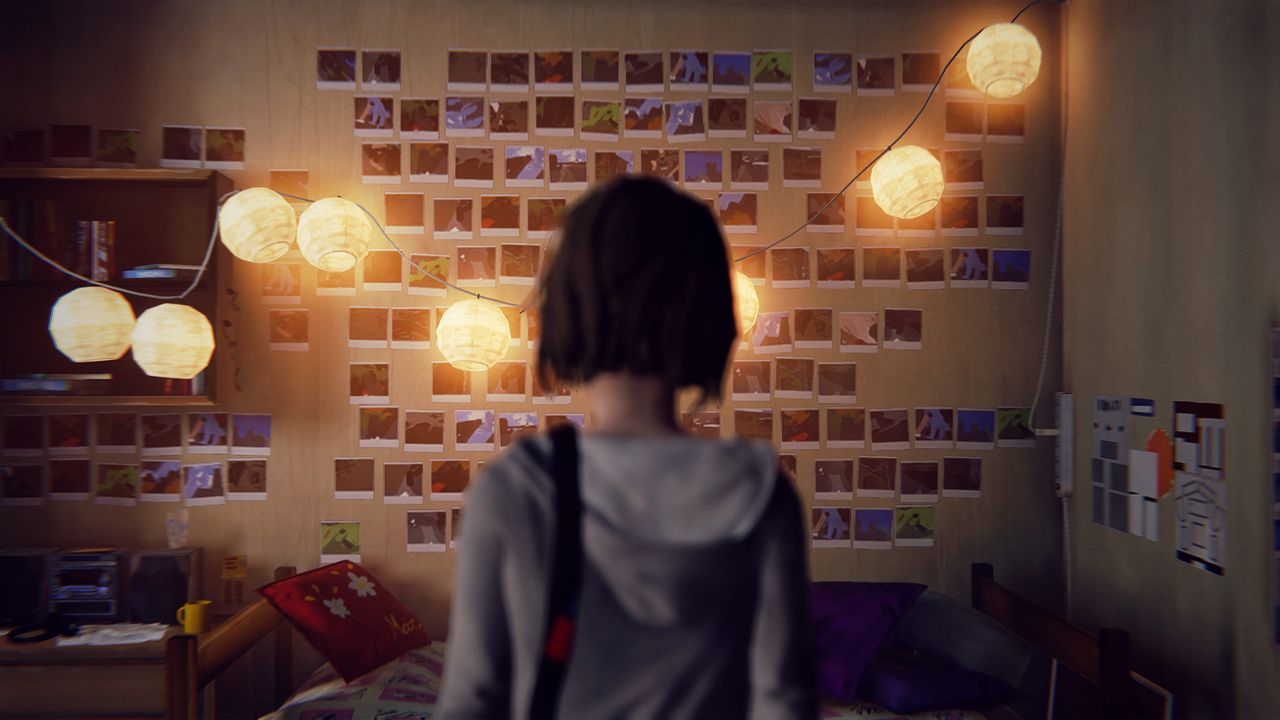
The opening track, "This Must Be the Place" by Naive New Beaters, sets a deceptive mood that lingers throughout the first episode. Similarly, Syd Matters' "All I Want" plays during Max's early moments at Blackwell Academy, its gentle acoustic strumming underscoring the character's internal monologue about feeling out of place. This approach mimics the structure of coming-of-age cinema, where the music often speaks louder than dialogue to convey the protagonist's emotional state.
The soundtrack thrives on a specific brand of "sad boy" indie rock that was ubiquitous in 2015 but retains an emotional rawness today. This curation achieved several critical goals:
- Atmospheric Consistency: From the foggy streets of Arcadia Bay to the quiet moments with Chloe, the music never breaks character, maintaining a cohesive auditory identity.
- Character Definition: The specific genres chosen reflect Max's personality as a photography student—observant, slightly detached, and deeply feeling.
Music as Emotional Punctuation in an Episodic Format
The release of Life is Strange coincided with the peak popularity of episodic storytelling in video games, a format that borrowed heavily from the pacing and structure of television dramas. In this context, licensed tracks functioned less like background noise and more like the emotional punctuation used by shows like Scrubs or Euphoria. Each episode drop was treated as a new installment where music could be strategically deployed to maximize impact at critical story beats.
The relationship between Max's rewind ability and the soundtrack creates a unique interplay where time manipulation often aligns with musical cues, allowing players to "rewind" not just action, but the emotional resonance of a scene. This technique was particularly evident in moments of high tension or quiet intimacy, where a sudden swell of an original score or a licensed track would elevate the stakes without needing additional exposition.
- Opening Credits: The use of Jungle's "Busy Earnin'" and similar tracks in Life is Strange serve to immediately establish the episode's emotional baseline before any gameplay begins.
- The Climax: The game's finale relies heavily on Foals' "Spanish Sahara," a track so laden with regret and longing that it provides a perfect counterpoint to whatever choice the player makes.
Longevity Through Emotional Authenticity
What separates this title from other licensed-heavy titles of its era is the authenticity of its curation. While many games of 2015 used popular songs simply because they were trending, Dontnod selected tracks that felt like they belonged to the characters' specific playlists and emotional journeys. The result is a soundtrack that doesn't feel manufactured or forced, but rather discovered by the player as part of their character's world.
This authenticity has allowed the music to age better than many other elements of the game. While the dialogue occasionally suffers from the awkwardness typical of mid-2010s writing, the emotional core conveyed through the soundtrack remains undiminished. Even years later, hearing "Spanish Sahara" or the somber tones of "The Night" by The xx can instantly transport players back to the pivotal moments of Max and Chloe's relationship.
Subsequent entries in the franchise, such as Life is Strange: True Colors and the recently concluded Reunion, have attempted to replicate this formula with mixed results. While True Colors featured a strong original score and Reunion included hits like Girl in Red's "I'll Die Anyway," neither has managed to recapture the specific alchemy of the original’s indie rock selections. The first game's soundtrack feels less like a collection of popular songs and more like a carefully constructed emotional landscape that was tailor-made for Max Caulfield's story.
As the franchise moves forward, the legacy of its initial soundtrack serves as a reminder of a golden era in gaming where licensed music was treated with the same narrative weight as the plot itself. The curatorial vision displayed in 2015 set a benchmark that few have managed to surpass, proving that Life is Strange's musical choices create memories that last far longer than the hardware on which they are played. Eleven years later, the emotional impact of those tracks remains as potent as ever, a testament to the power of music in interactive storytelling.