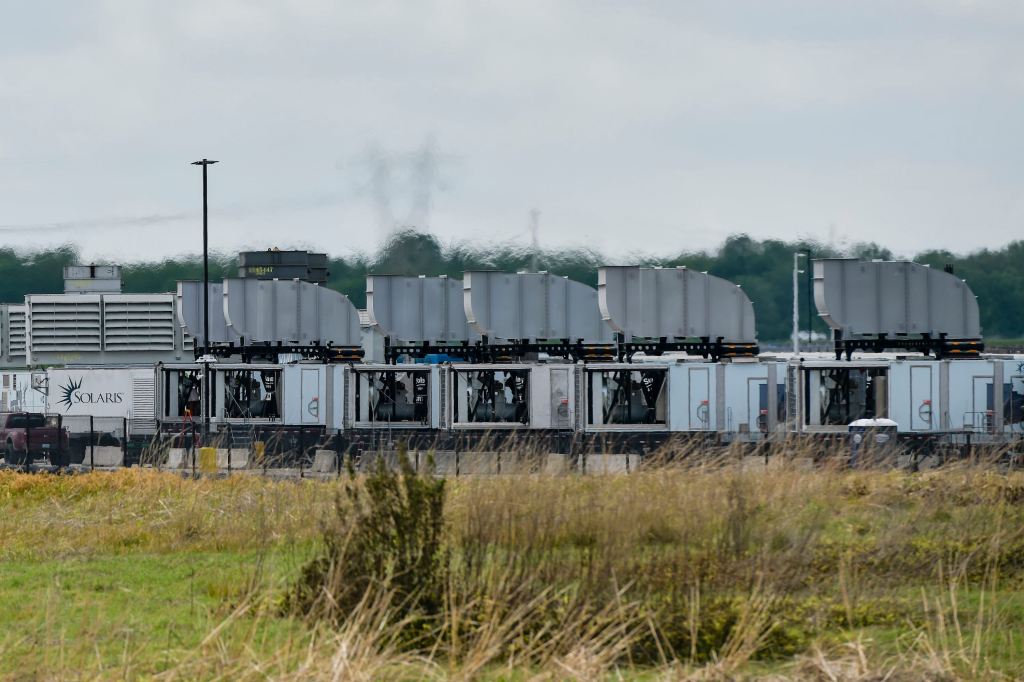
Can a single municipal project dictate the energy and infrastructure trajectory of an entire state? The answer was recently revealed when Maine’s governor vetoes data center moratorium legislation, known as L.D. 307. This legislative attempt sought to pause new data center permits until late 2027, which would have established the first statewide halt on such facilities in the United States.
The proposed law included the creation of a specialized council to evaluate construction impacts. However, Governor Janet Mills blocked the measure due to its lack of an exemption for a specific project in Jay. This single legislative omission effectively prevented the formation of a 13-person advisory council intended to study data center construction and its long-term environmental effects.
Why Maine’s Governor Vetoes Data Center Moratorium
The veto highlights intense friction between rapid digital expansion and regional resource management. While acknowledging risks to electricity rates seen in other jurisdictions, Mills focused her opposition on the Jay project. The Governor noted that this particular project enjoys strong local support from its host community and region, suggesting that the blanket nature of the moratorium was its primary flaw.
Opponents argue that because Maine’s governor vetoes data center moratorium efforts, the state's infrastructure remains vulnerable to unregulated growth. State Representative Melanie Sachs noted that the absence of a moratorium could lead to significant consequences for ratepayers and grid stability. Without a structured period of study, there is a growing fear that sudden, large-scale developments could outpace the state's ability to provide reliable power.
The Impact on Infrastructure and the AI Era
This legislative battle is far from an isolated event, as other jurisdictions are increasingly looking toward similar pauses to manage the "compute explosion." New York and several other states have explored moratoriums to mitigate the environmental footprint and energy consumption of massive computing facilities. As AI workloads and cloud-based services continue to demand unprecedented levels of power, the debate over data center placement becomes a matter of national infrastructure security.
The challenge lies in fostering technological innovation while protecting local utilities from sudden spikes in demand. The ongoing struggle for regulatory clarity involves several critical concerns:
- The impact of high-density computing on renewable energy availability and grid integration.
- Potential volatility in residential and commercial electricity pricing due to increased industrial demand.
- The necessity of long-term planning regarding the water usage and cooling requirements of next-generation hardware.
As the demand for massive computing capacity continues to surge, the pressure on regional energy infrastructures will only intensify. The outcome of this policy vacuum in Maine will likely serve as a bellwether for how other states manage the collision between digital necessity and local utility stability. Whether Maine can successfully integrate these facilities without compromising its environmental commitments remains the central question for the state's legislature.