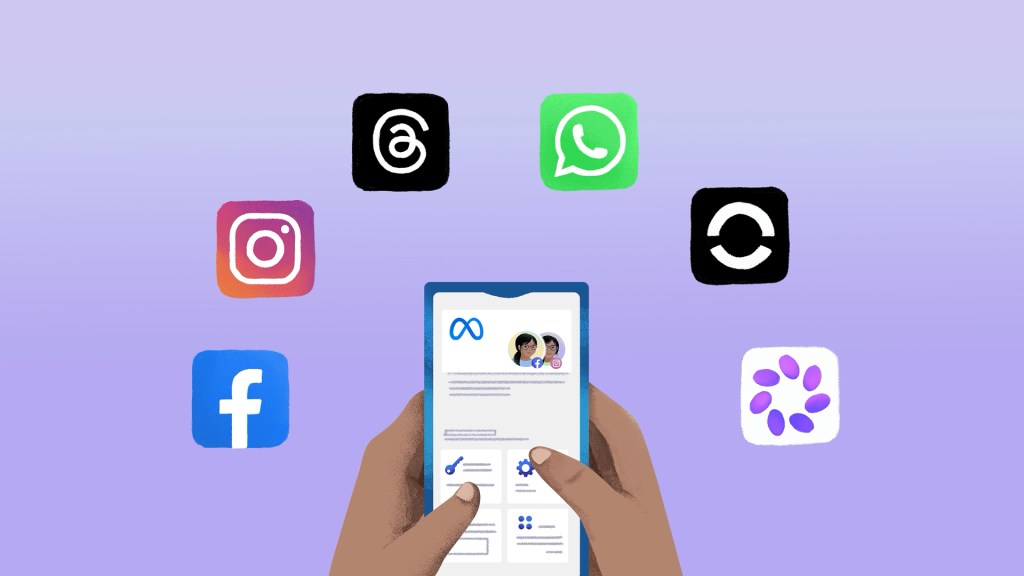
Managing a digital footprint across dozens of disparate platforms has become an exercise in fragmentation, but Meta is revamping its cross-app management system to solve this chaos through radical consolidation. As the company's ecosystem expands to include everything from WhatsApp and Instagram to Meta AI glasses and Horizon OS, the sheer number of individual logins has created a friction-heavy experience for the average user. The introduction of the new Meta Account system represents an attempt to bridge these gaps, moving away from the semi-unified Accounts Center toward a more singular, centralized identity.
The Mechanics of Meta's Cross-App Management System Revamp
The current state of Meta’s ecosystem is inherently unwieldy. For many users, interacting with the company's various services requires navigating a labyrinth of different credentials, which often leads to "login fatigue" and fragmented security protocols. By implementing this new system, Meta aims to provide a single point of entry that governs a much broader array of hardware and software assets.
The rollout, expected to take place over the next year, focuses on several key technical upgrades:
- Unified Credentials: Users can establish a single password that functions across all linked platforms within the ecosystem.
- Passkey Integration: The system will leverage biometric authentication, such as fingerprint scanning and facial recognition, to reduce reliance on traditional passwords. This includes support for device-level passkeys and reduced friction during high-frequency login events.
- Centralized Security Management: A single dashboard will allow users to update email addresses, manage two-factor authentication (2FA), and monitor login alerts across all connected devices simultaneously.
While the convenience of a single password is undeniable, it introduces a concentrated point of failure. If a centralized account is compromised, the lateral movement potential for an attacker across Facebook, Instagram, and potentially VR hardware becomes significantly higher.
Balancing Centralized Identity with Granular Control
Meta has been careful to distinguish between "global" settings and "app-specific" settings in its announcement. The goal is to prevent the Meta Account from becoming a monolithic entity that strips users of their ability to customize individual platform experiences. According to the company, while high-level identity information—like your email and password—will be managed centrally, the granular privacy controls that define social interaction will remain localized.
For instance, determining who can see a post on Facebook remains a Facebook-specific setting. Similarly, managing photo tagging permissions on Instagram stays within the Instagram interface. This distinction is critical for maintaining user agency; it allows for a unified identity without forcing a "one-size-fits-all" privacy policy onto every corner of the ecosystem.
This centralized approach also extends to parental supervision. The new system introduces an enhanced Family Center dashboard, allowing parents to oversee activities across Instagram, Facebook, Messenger, and Meta Horizon from a single location. This move aims to reduce the cognitive load on parents who previously had to toggle between multiple apps to ensure their teenagers' safety and digital well-being.
Strategic Implications for Ecosystem Retention
The rollout of this new architecture must be viewed through the lens of long-term ecosystem retention. By making it easier to move between WhatsApp, social media, and wearable technology, Meta is lowering the barrier to entry for its newer, more experimental hardware. If a user can seamlessly transition from an Instagram feed to a session in Meta Horizon using the same biometric credentials, the friction of adopting new hardware is significantly diminished.
Crucially, Meta is not forcing a total merger of all accounts. Users retain the ability to keep certain logins separate or to add and remove accounts from the overarching Meta Account at will. This flexibility is likely a response to growing privacy scrutiny, allowing the company to market "choice" while still building the infrastructure for deep integration.
As we look toward the next year of deployment, the success of this cross-app management system will depend on whether Meta can balance the undeniable convenience of a unified login with the heightened security risks that come with a centralized digital identity. If they succeed, they will have created the most seamless—and perhaps inescapable—digital ecosystem in existence.