Micron CEO Expects RAM Shortage to Last Through 2027
Micron, one of the world's leading manufacturers of memory, has confirmed that the current RAM shortage is expected to persist well into 2027. According to Micron CEO Sanjay Mehrotra, this is due to a combination of strong demand and limited supply. During the Q3 2026 earnings report, Mehrotra stated that "tight conditions will continue beyond calendar 2027 as a result of AI-driven demand across all segments coupled with structural supply constraints."
The surge in demand for semiconductors has been largely driven by the expansion of AI data centers. These facilities require large amounts of memory, pushing prices of components like RAM, VRAM, and SSDs to new heights. Over the past few years, the cost of these essential parts has skyrocketed, making high-end gaming hardware significantly more expensive.
The Impact on Gaming Hardware Prices
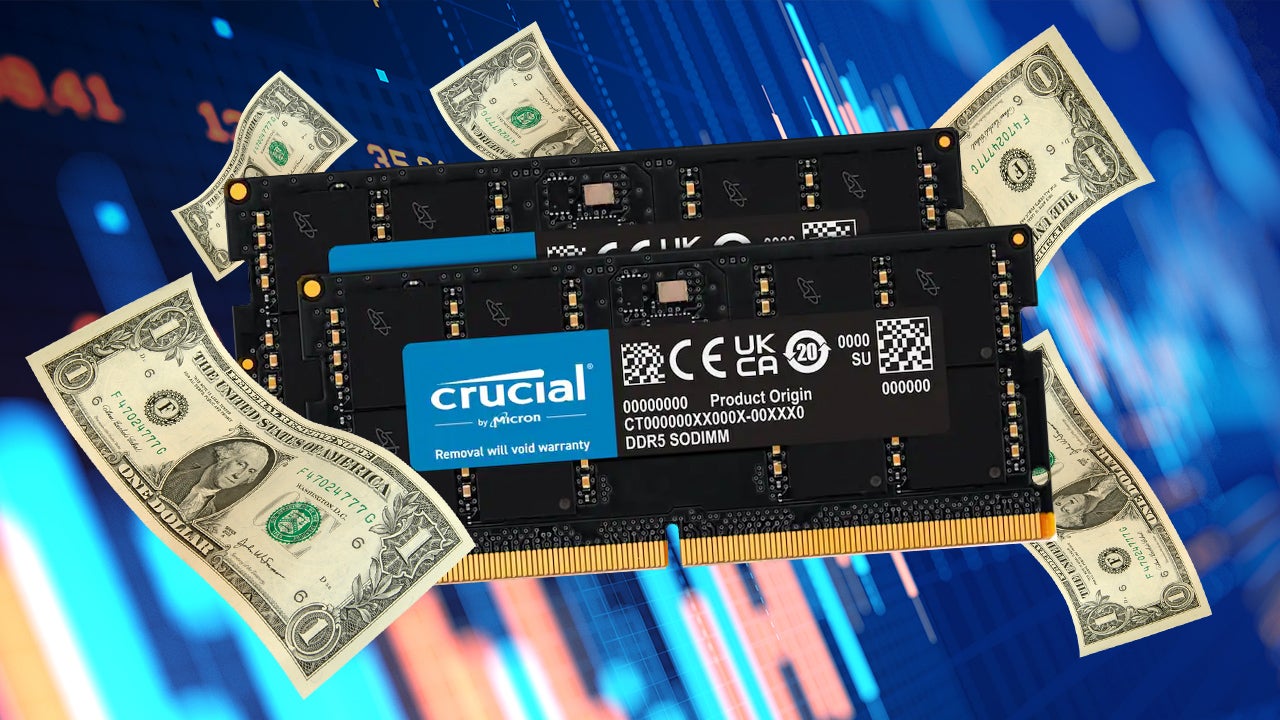
Micron's decision to exit the consumer market last year has had a direct impact on the availability and pricing of consumer-grade memory products. The company ended support for its consumer-facing brand, Crucial, which was known for producing some of the best SSDs and RAM kits available. This shift in focus has led to a scarcity of affordable components, driving up the costs of building gaming PCs and consoles.
For example, the Steam Machine, which was initially expected to launch at around $750, ended up costing $1,050 due to the increased hardware costs. Similar price hikes have been seen across the board, from individual RAM sticks to entire gaming systems like the PS5 and Xbox Series X.
The Road Ahead
Mehrotra's comments suggest that the so-called "RAMpocalypse" is far from over. While the company anticipates a gradual improvement in supply by 2028, it's unclear when the market will be able to meet the rising demand. "Even as we expect industry supply to improve gradually in 2028, we currently do not have line of sight as to when memory supply will be able to catch up with increasing demand," he said.
This outlook raises concerns about the affordability of upcoming consoles like the PlayStation 6 and Xbox Project Helix. With hardware costs continuing to climb, it's unlikely that these next-generation systems will be priced competitively when they launch.
As the situation unfolds, the gaming industry will need to adapt to these changing conditions. Whether that means higher prices for consumers or new innovations to reduce dependency on expensive memory components remains to be seen.