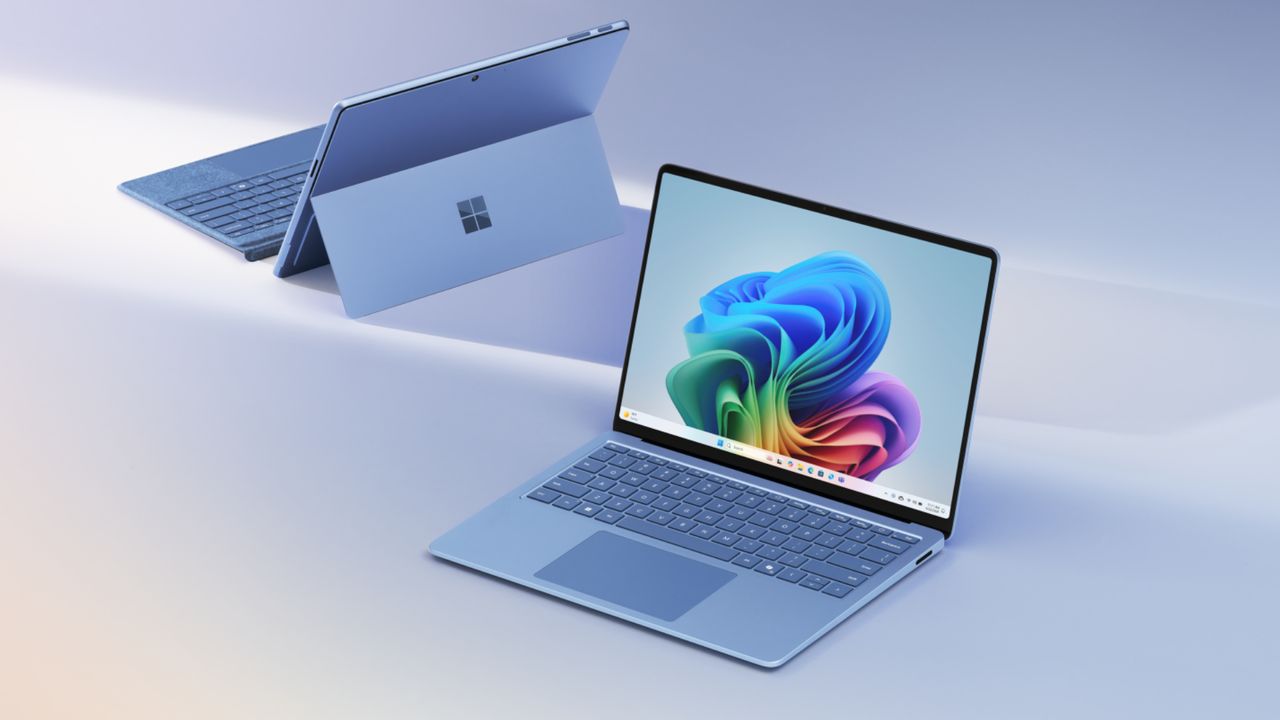
Microsoft is expanding its hardware lineup with new Surface Pro and Surface laptop models, but a budget-friendly option may fall short of modern standards. While the upcoming devices will feature Intel Core Ultra Series 3 chips—promising up to 90% faster performance than the Surface 5—the pricing and specifications for the entry-level tier are raising eyebrows.
The New Surface Hardware Lineup
Microsoft's recent announcement highlights significant performance leaps, claiming the new hardware can deliver up to 35% more graphics performance than a MacBook Air with M5. Despite these technical strides, the cost of entry remains high for many users.
The standard 13-inch non-Pro Surface will launch in 16 GB and 24 GB configurations starting at $1,500. However, Microsoft has confirmed that a cheaper version is on the horizon. According to reports from Windows Latest, an 8 GB configuration is expected to arrive later this year with a starting price of $1,300.
Why the 8 GB Surface Laptop Misses Copilot+ Requirements
The most controversial aspect of this upcoming release is that the base model will not officially qualify as a Copilot+ PC. This is a strange distinction, especially considering the hardware includes an NPU capable of 50 TOPs.
To be branded as a Copilot+ PC, Microsoft has established strict minimum hardware requirements:
- A minimum of 40 TOPs of NPU power
- At least 256 GB of SSD storage
- Crucially, a minimum of 16 GB of RAM
Because the $1,300 model only features 8 GB of memory, it fails to meet that final, vital threshold.
A Tough Sell in a High-Memory Era
Even if the lack of Copilot+ branding isn't a dealbreaker for you, 8 GB of RAM is incredibly meager for a $1,300 machine in the current landscape. While Microsoft is working to optimize Windows 11, modern workflows—especially heavy web browsing with dozens of open tabs—can easily exhaust that much memory.
For comparison, while the budget-friendly MacBook Neo starts at just $599 and also utilizes a limited RAM loadout, it remains a competitive threat in the low-end market. For professionals who rely on high-performance multitasking, an 8 GB laptop may feel underpowered from day one, regardless of how "feisty" the Intel chip underneath might be.