Scheduled for U.S. theatrical release on May 15, Mobile Suit Gundam Hathaway: The Sorcery of Nymph Circe continues its ambitious journey through the Universal Century. As the second installment in a planned trilogy based on the celebrated novel series, this film picks up exactly where the previous movie left off. While this structure can make the narrative feel somewhat incomplete—lacking a traditional beginning and end—it serves as a deeply fascinating, character-driven middle chapter that occasionally erupts into breathtaking giant robot action.
A Deep Dive into Gundam Lore
Entering the Mobile Suit Gundam franchise is no small feat, given its sprawling timelines and decades of established history. While the Hathaway films are relatively self-contained, they remain heavily dependent on the legacy of the 1988 classic Mobile Suit Gundam: Char's Counterattack. The influence of that legendary film permeates every frame of The Sorcery of Nymph Circe, from Hathaway Noa’s role as the leader of the terrorist organization Mafty to his complex relationship with the mysterious Newtype, Gigi Andalucia.
The film effectively recreates iconic imagery from the 1988 era, weaving past and present together. To fully appreciate the weight of the characters' choices, viewers will find value in understanding:
- The political fallout from the Neo Zeon conflicts.
- Hathaway Noa’s connection to his father’s legacy.
- The psychological burden of being a psychic (Newtype) in a war-torn era.
Character Focus and Political Tension
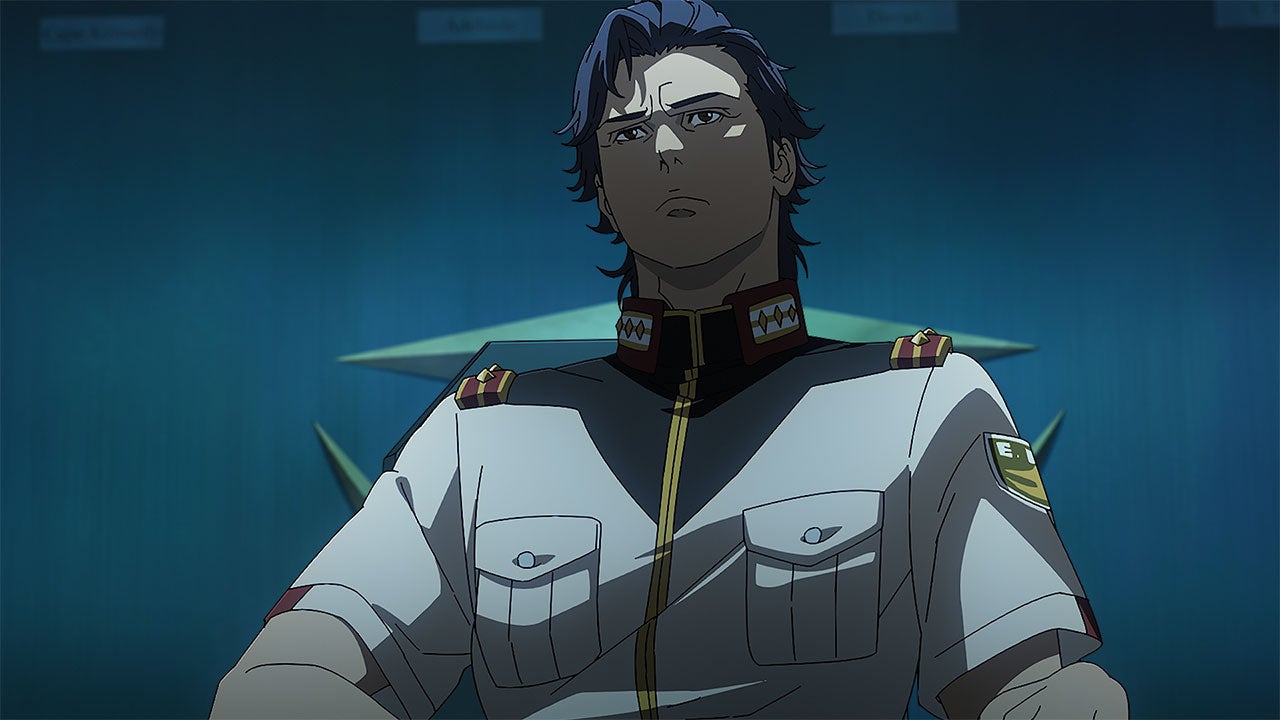
At its heart, The Sorcery of Nymph Circe is essentially a film split into two distinct perspectives. The first half focuses on Noa, detailing his return to the Mafty base and the intense preparations for a planned assault on the Earth Federation conference in Adelaide. The second half shifts focus to Gigi, exploring her struggles within the conflict and her complicated feelings toward both Noament Noa and Earth Federation officer Kenneth Sleg.
Gigi is arguably the film's most compelling element. Despite being a newer addition to the franchise, she feels instantly integral—determined, flawed, and motivated. Her privileged background provides a sharp contrast to Hathaway’s harsh reality, yet the film masterfully highlights their shared yearning for a better life.
Beyond character studies, the film delivers poignant political commentary. Much like Gundam 00, this entry tackles heavy themes of inequality and the oppression of minorities. The depictions of military forces violently rounding up immigrants feel strikingly timely, making the narrative resonate far beyond its original 1990s source material.
Spectacle and Animation Quality
When it comes to the "giant robot" aspect, the film prioritizes atmosphere over non-stop combat. There are only a few major fight scenes, as the focus remains on the building tension of Mafty's upcoming attack. However, when the Mobile Suits do appear, they are terrifyingly effective. The animation portrays them not as mere toys, but as massive, destructive war machines that leave nothing but devastation in their wake.
The visual execution is noteworthy for several reasons:
- Art Style: A blend of photorealistic backgrounds and 2D characters reminiscent of a Makoto Shinkai production.
- 3D Integration: The use of 3D models for the mobile suits creates a grounded, heavy feel.
- Seamless Transitions: The way the film recreates scenes from Char's Counterattack blends the old aesthetic with the new art style perfectly.
However, the film does struggle with lighting; many action sequences take place in dimly lit nighttime environments, which can occasionally make the choreography difficult to follow.
An Unforgettable Sonic Experience
The success of Mobile Suit Gundam Hathaway: The Sorcery of Nymph Circe is heavily bolstered by Hiroyuki Sawano’s incredible score. Fans of Attack on Titan or Solo Leveling will recognize his ability to elevate both massive action set pieces and quiet, emotional character beats.
The soundtrack also takes some unexpected turns, featuring a SZA needle drop in the title sequence and a surprising use of Guns N' Roses' “Sweet Child O’ Mine” during the finale. While hearing a classic rock anthem in a Gundam film might seem jarring, the lyrics provide a hauntingly appropriate backdrop to Hathaway’s journey. Ultimately, while you may need some homework to grasp the full scope of the lore, this second chapter delivers a satisfying, high-stakes character study.