Can Sekiro Become a Tony Hawk-Style Skateboarding Sim?
Could a game built around swordplay and vertical parkour truly find new life through skateboarding mechanics? The modding community beneath Sekiro: Shadows Die Twice has discovered an unexpected answer with Jet Set Sekiro, a transformation that reimagines FromSoftware's challenging action title as a Tony Hawk-inspired skateboarding simulator. This bold modification turns the rigid world of shinobi combat into a fluid tribute to early-2000s skating culture, proving that movement systems share common DNA regardless of whether they involve katanas or boards.
A Shinobi Meets Street Culture in Fountainhead Palace
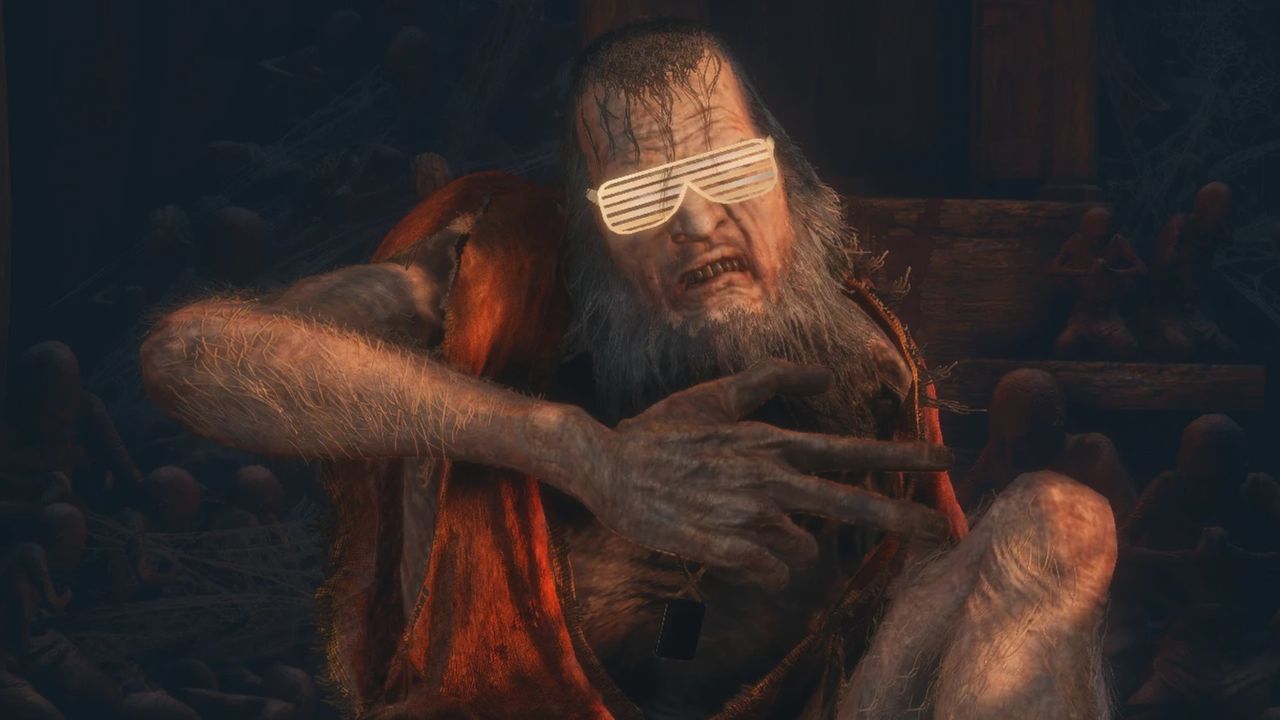
Modder Ionian-Mikiriy, also known online as ATOTallyNotShinobi, has released the mod on the Sekiro Nexus, effectively retrofitting the game's movement system into something resembling professional skateboarding mechanics. Instead of deflection-based combat or prosthetic tools for traversal, players now roll across Fountainhead Palace collecting spray paint canisters to complete graffiti tagging objectives at designated locations throughout the map. The visual style embraces early-2000s aesthetics, channeling the spirit that defined the golden era of skateboarding games without sacrificing Sekiro's distinct art direction.
The transformation extends beyond surface-level animations. Movement physics have been carefully adjusted to allow for grinding rails, performing tricks off ramps, and maintaining momentum across the palace's sprawling grounds. This approach mirrors how Tony Hawk Pro Skater 3 unlocked Darth Maul as a character or how Spyro: Year of the Dragon featured dedicated skateboarding levels—crossover moments that felt surprisingly natural despite their disparate source materials.
The key features of this unique Jet Set Sekiro modification include:
- Fountainhead Palace serves as the primary skateboarding arena with recognizable landmarks repurposed for trick performance
- Spray paint canisters scattered throughout the map unlock graffiti tagging opportunities at specific locations
- Movement animations have been completely rebuilt to support grinding, flip tricks, and momentum-based traversal
- The visual presentation maintains Sekiro's aesthetic while embracing retro skateboarding game sensibilities
The Unexpected Kinship Between Action and Skate Mods
The relationship between Japanese action games and Western skateboarding titles carries an unexpected kinship, one rooted in rhythm, flow state, and mastery of movement systems. This connection becomes even clearer when examining the modding history surrounding FromSoftware properties: sockpuppetkingdom previously created a Firelink Shrine map for Tony Hawk's Underground 2, pairing beautifully with Syeo's Solaire player model years ago. The difference here is that Ionian-Mikiriy brought skateboarding mechanics to Sekiro rather than transplanting FromSoft environments into an established skating franchise.
This mod demonstrates how modification culture can breathe new life into existing games without requiring official development support. The result feels less like a gimmick and more like a natural extension of what both genres already excel at—movement that rewards precision, timing, and creative expression through the controller. Beyond Sekiro: A Vibrant Modding Ecosystem
A Legacy of Creative Transformation
While Jet Set Sekiro makes headlines for its unusual premise, it exists within a broader modding landscape where games frequently transcend their original design intentions. Skateboarding titles themselves continue evolving, with Skate Story recently appearing on sale at $16 on GOG—a title developer Sam Eng humorously suggested players pirate if the price feels too steep despite asking them not to do so. FromSoftware's own community has shown sustained passion through ongoing Sekiro anime discussions and various gameplay modifications that push boundaries in different directions.
The evolution from Firelink Shrine skate maps to Fountainhead Palace graffiti runs represents maturation within modding communities rather than one-off novelty projects. Players continue seeking fresh experiences without leaving games they've already invested time into mastering, while creators find creative satisfaction reimagining established worlds through new mechanical lenses. This particular mod suggests that when movement and rhythm align across different genres, the results can feel surprisingly cohesive despite originating from vastly different development priorities.
What emerges is less about transforming Sekiro into something it never intended to be and more about recognizing how movement systems share common DNA regardless of whether they involve katanas or skateboards. The modding scene continues proving that games exist as foundations for creative exploration rather than finished products confined by initial design documents, with each significant transformation adding another layer to the ongoing conversation about what video games can become when player creativity meets technical possibility.