Water intrusion can transform a tranquil household into a disaster zone within hours, making proactive monitoring essential for every property owner. As we look at the best water leak detectors available in 2026, choosing the right device is about more than just finding a puddle; it is about preventing catastrophic structural damage and financial loss.
Why Early Detection Matters
Investing in a smart leak detection system offers several critical layers of protection:
- Insurance Impact: According to the Insurance Information Institute, roughly one in sixty homeowners files a water-damage claim annually, with average costs approaching $15,000.
- Mold and Structural Risks: Prolonged exposure to moisture accelerates mold growth, compromises building materials, and can even undermine foundational integrity.
- Financial Savings: Early alerts significantly reduce repair expenses by allowing you to intervene before a minor drip becomes an expensive flood.
Moen: Intelligent Monitoring with Automation
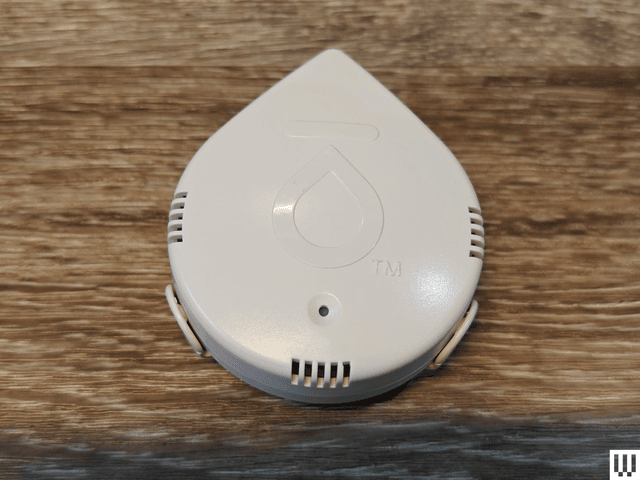
Moen stands out for users seeking a streamlined, app-centric approach to home health. Their standalone, drop-shaped detector offers sophisticated temperature and humidity tracking directly via the Moen app.
For those needing broader coverage, the system supports up to three wired remote sensors, and an optional 6-foot sensing cable can further expand your detection zones. To ensure you never miss a leak, the system sends immediate push notifications, emails, and SMS alerts.
Key Deployment Details:
- Installation: Devices can be mounted on surfaces or attached to walls; users can DIY the setup or use Moen’s Pro Finder service.
- Reliability: The Auto MicroLeak Test runs nightly to verify system integrity without any user intervention.
- Limitations: The alarm tone is relatively moderate compared to competitors, and smart home integration is limited unless paired with third-party hubs.
Phyn: Automatic Shut-Off and Data Insights
If you want a proactive solution that acts on your behalf, Phyn is a top contender among the best water leak detectors. Unlike simple sensors, Phyn installs directly onto your water line, enabling an automatic shutoff upon detecting a leak. This eliminates the dangerous delay of manual response times.
Beyond emergency prevention, Phyn provides comprehensive analytics that show daily water consumption per fixture, making it a powerful tool for conservation strategies. It integrates seamlessly with Alexa, Google Assistant, and IFTTT, expanding your existing smart-home ecosystem. While DIY is possible for experienced plumbers, professional installation is highly recommended.
YoLink: LoRa-Based Reliability for Large Spaces
For expansive estates or properties with dead zones, YoLink offers a specialized technical advantage. Utilizing LoRa technology, these sensors deliver an impressive range of up to 1,320 feet without requiring a constant Wi-Fi connection.
The system uses a central hub to manage multiple sensors, which are available in three distinct models:
- Surface droplet for floors and countertops.
- Cable for perimeter monitoring.
- Electrode tip specifically for tank monitoring.
With low-power consumption—lasting months on just two AAA batteries—and support for Alexa and Google voice control, YoLink is the ideal choice for large properties lacking robust Wi-Fi coverage.
X-Sense Budget: Value-Driven Simplicity
For homeowners looking for high sensitivity without the premium price tag, the X-Sense bundle offers an excellent entry point. This package includes four sensors plus a hub, providing multi-zone protection at an affordable cost.
The hardware is highly sensitive to even minute leaks (as small as 0.4 mm) and features loud beeping alerts with adjustable siren volumes to ensure you are notified even in noisy environments. While it lacks advanced smart-home automation, the app includes battery indicators to reduce the risk of unexpected power loss.
Choosing the Best Water Leak Detector for Your Home
Selecting the right device depends on your specific property requirements and budget:
- Scale and Layout: Larger estates benefit from Moen’s wall-mounted options or Phyn’s automatic shut-off; smaller apartments may prefer X-Sense’s cost efficiency.
- Integration Needs: If you rely on voice assistants, Phyn delivers seamless control. For broader IoT compatibility, look toward Moen or YoLink.
- Budget Constraints: X-Sense offers the most economical entry point, while premium solutions like Phyn justify their higher cost through advanced automation and deeper monitoring.
Ultimately, whether you choose Moen, Phyn, or TP-Link alternatives, the goal remains the same: preserving your property and your peace of mind through reliable, real-time detection.