Monarch Tractor’s Collapse Ends with an Acquisition by Caterpillar
The convergence of hardware manufacturing complexity and software-as-a-service ambitions often creates an operational chasm that few startups successfully bridge, a dynamic now confirmed by Caterpillar’s acquisition of Monarch Tractor. After years of attempting to pivot from building electric autonomous tractors to selling software licenses, the startup’s collapse has been formalized through its assets being absorbed by the construction equipment giant. This transaction marks the end of an ambitious experiment in agricultural robotics that promised driverless operation for wineries and farms but ultimately succumbed to supply chain failures, legal disputes, and a fundamental divergence between hardware reliability and software promises. The story of Monarch Tractor’s collapse serves as a stark reminder of the risks inherent in deep tech ventures where physical execution lags behind digital ambition.
From High Hopes to Manufacturing Abyss
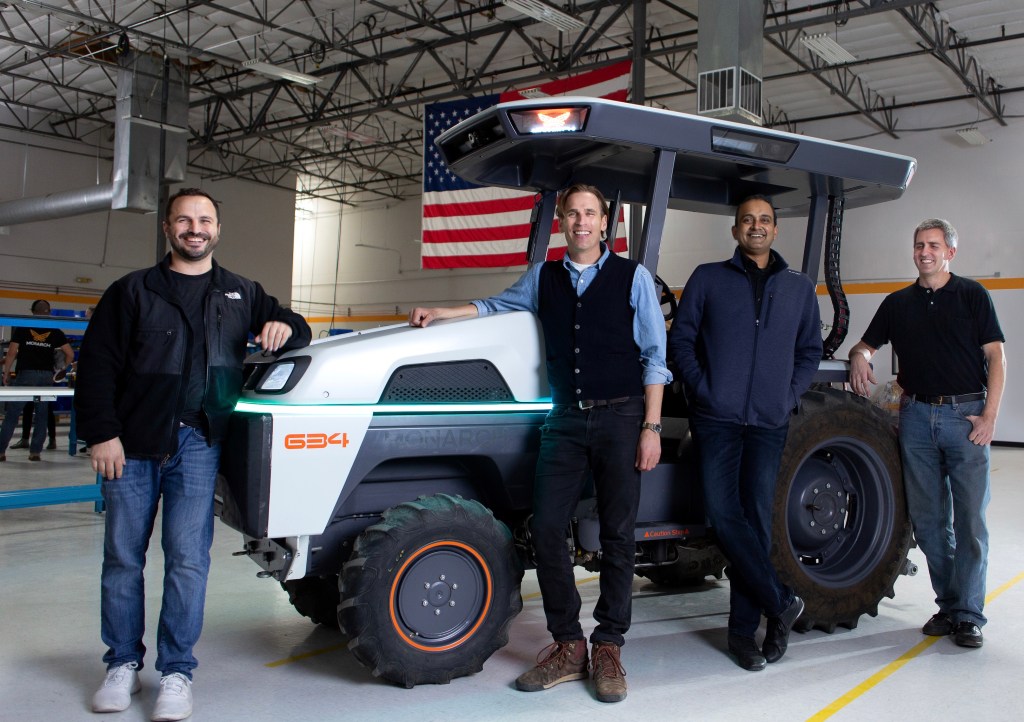
Monarch Tractor’s journey began with high-profile backing, raising over $200 million since its 2018 founding by Carlo Mondavi, Praveen Penmetsa, and former Tesla executive Mark Schwager. The vision was to create "driver optional" electric tractors capable of navigating complex agricultural terrain autonomously. Initially operating out of a facility in Livermore, California, the company sought scale through a partnership with Foxconn at a former General Motors factory in Lordstown, Ohio. This joint venture aimed to produce vehicles for multiple EV startups, including Fisker and Lordstown Motors, alongside Monarch’s tractors.
However, the ecosystem surrounding that manufacturing hub proved fragile; as Fisker and Lordstown Motors filed for bankruptcy and Foxconn sold its stake to SoftBank in August 2025, Monarch was left without a production partner just as it needed it most. The loss of this critical infrastructure forced an immediate and painful restructuring, stripping the company of its ability to manufacture hardware at scale while simultaneously attempting to pivot its business model toward software licensing.
The strategic drift became evident as the company faced multiple operational crises:
- Supply Chain Fractures: The reliance on a shared manufacturing hub left Monarch vulnerable when key partners like Fisker and Lordstown Motors collapsed.
- Partnership Instability: Foxconn’s exit to SoftBank in August 2025 removed the primary production capacity needed for scaling.
- Model Pivot Failure: The shift from hardware sales to software licensing occurred too late to offset mounting liabilities.
Hardware Defects and Legal Repercussions
The struggle to deliver on hardware promises precipitated a wave of legal challenges that accelerated Monarch’s decline. Dealers who purchased early batches of tractors alleged that the autonomous technology was fundamentally defective, claiming the vehicles were unable to operate as advertised in real-world farming conditions. In September 2025, one dealer filed a federal lawsuit describing the equipment as "defective," a claim supported by two other dealers filing similar suits shortly thereafter. Monarch denied these allegations in court filings, yet the reputational damage was severe and costly.
The situation worsened when the company’s co-founder and wine scion Carlo Mondavi publicly broke ranks with CEO Praveen Penmetsa, revealing internal disagreements over how to address reliability issues. While Mondavi advocated for hardware modifications to solve operational glitches, Penmetsa pushed for a software-only fix. Mondavi described being "pushed out" after his views were blocked, citing persistent reliability failures he witnessed on his own farm and those of friends. This public infidelity signaled to the market that the company’s internal stability had fractured, leading to further staff reductions and an auction of remaining inventory earlier this year.
The Software Pivot That Never Stuck
Despite raising nearly a billion dollars in funding over eight years, Monarch could not sustain its original hardware-focused model. The attempt to reposition as a software services provider proved insufficient to rescue the business from insolvency. By early 2024, the company initiated layoffs, followed by another round of workforce reductions just months later as it declared an assignment for the benefit of creditors—a legal precursor often seen before formal bankruptcy proceedings. The transition to a licensing model was announced with fanfare but lacked the immediate revenue traction needed to offset manufacturing liabilities and ongoing litigation costs.
When Caterpillar entered the picture, the acquisition was less a rescue mission and more a strategic consolidation of intellectual property. Filings with the United States Patent and Trademark Office confirm that Caterpillar acquired Monarch’s assets, including its autonomous navigation technology, allowing the construction giant to integrate these capabilities into its existing product lines without the burden of Monarch’s operational baggage.
The acquisition underscores a recurring theme in deep tech: hardware companies often struggle to monetize software features independently when the underlying physical products fail to meet expectations. Caterpillar’s move suggests that the value lay not in Monarch’s brand or distribution network, but in its accumulated IP regarding autonomous navigation systems. For the agricultural robotics sector, this outcome serves as a cautionary tale about the dangers of overextending hardware production without guaranteed supply chain stability and product reliability.
The future of agricultural automation will likely see more acquisitions of distressed startups by established industrial players rather than standalone market exits. Monarch’s technology may now power the next generation of heavy machinery under Caterpillar’s banner, but the startup itself has vanished as a distinct entity. Investors who backed the driverless tractor dream are left with returns tied to an acquisition price that pales in comparison to the initial valuations, while farmers waiting for reliable autonomous solutions must look elsewhere. The collapse of Monarch Tractor proves that even well-funded ventures cannot outpace the physics of manufacturing or the legal realities of product failure.