Mouse: P.I. for Hire Review: A Noir Detective Story Lost in Translation
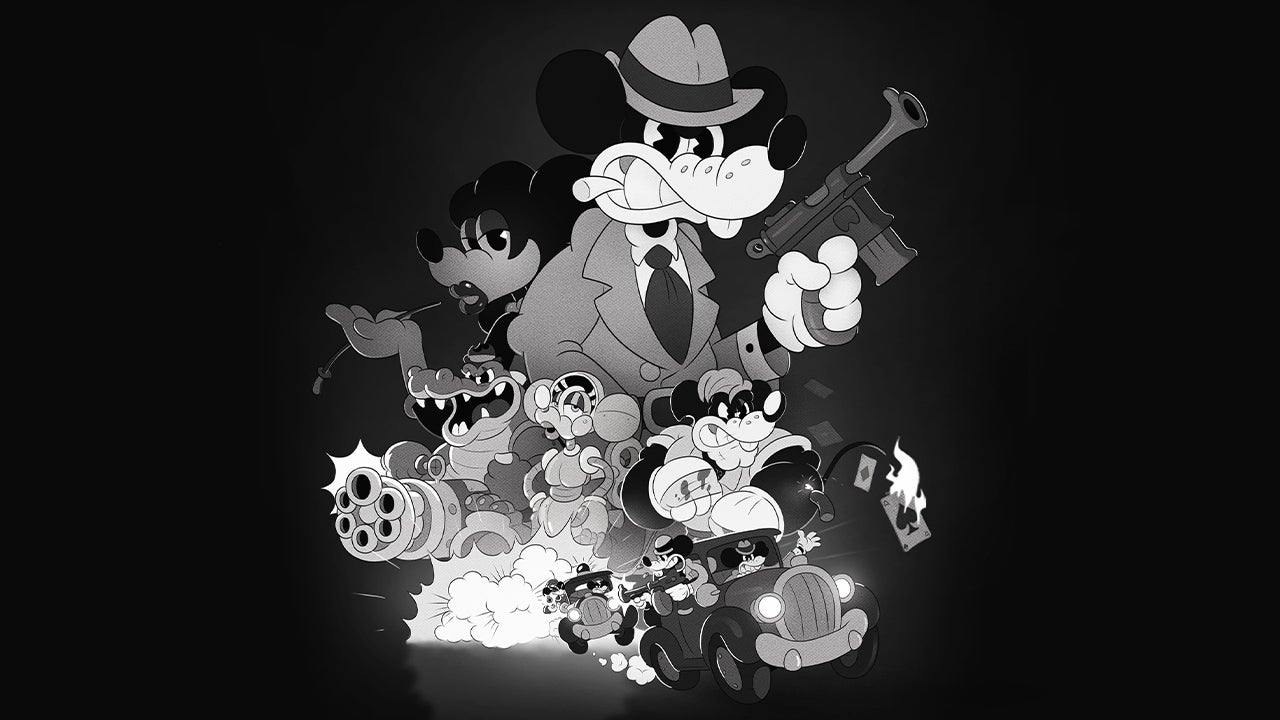
Mouse: P.I. for Hire sauntered onto my screen with the confidence of Ilsa walking into Rick’s in Casablanca, instantly capturing the eye of any noir enthusiast. As a devotee of hardboiled detectives, seedy crime stories, and neo-noir pulp, I was eager to see if this title could deliver on its promise. However, while Mouse: P.I. for Hire clearly understands the visual style and tropes of classic noir films and 1930s cartoons, it fundamentally misunderstands how they should function in a narrative. By fusing a hardboiled detective mystery with a fast, retro-style FPS, developer Fumi Games has created a shooter that is thematically incoherent, where the story's aspirations are constantly contradicted by the action on screen. Of all the Steam Libraries in the world, this one walked into my PC, and unfortunately, I wish I liked it more than I do.
The Cheese-Laden Narrative: A Story of Too Many Jokes
The plot follows Jack Pepper, a private eye navigating a world where everyone is a mouse. After Wanda Fuller from the Mouseburg Herald hires him to investigate a missing magician, the case spirals into a massive conspiracy involving an attempt on a mayoral candidate's life and racially motivated violence against smaller shrews by bigger mice. While the twists and turns are solid enough for a traditional detective story, the execution is marred by being overly referential. In this world of mice, everything revolves around cheese; a villain becomes a "cheeselegger," a sultry woman is described as "gorgonzola piccante slapped on a mozzarella platter," and truth-tellers swear on Maw-Maw’s cottage curds.
Initially charming, these references never stop, becoming a relentless distraction that prevents emotional investment. The game constantly reminds you of other things:
- References to 1930s cartoons, such as a steamboat named Willie or a spinach power-up granting Popeye-like arms.
- Meta-commentary on video game mechanics and tropes, like Jack hoping the robot bosses don't "rule of three" when they exactly do.
- Self-deprecating jokes from voice actors, including Troy Baker, who quip about mini-bosses or look ridiculous trying to be clever.
This relentless humor makes it hard to care about the characters or plot because the game is too busy making jokes about everything else. It feels like a collection of references to better things rather than a story that stands on its own merits. The voice acting is admirable, but nothing in Mouseburg is allowed to just be; it must be a mouse reference or a cheesy one-liner.
Boomer Shooter Mechanics and Visual Style
Fortunately, the shooting mechanics are where Mouse: P.I. for Hire finds its footing. As part of the recent wave of "boomer shooters" inspired by titles like Doom or Quake, it delivers a solid FPS experience despite its narrative flaws. Players start with a pistol and fists but quickly acquire a shotgun, dynamite, a Tommy gun known as the James Gun, and unique weapons like the Devarnisher, which shoots Elmer’s glue to melt flesh from bones. Movement is equally stylish, featuring a double jump, dash, spinning tail for hovering, and slides.
The visual presentation deserves special mention, blending spritework with 3D models in an absolutely gorgeous black and white aesthetic. From reload animations to random conversations, the art direction dresses the game up to the nines even if the worldbuilding remains thin. The combat feels good, though it is not quite Quake. However, there are still significant issues with the gunplay; weapons can feel weak, particularly the shotgun which has the audio kick of a popgun. This creates a strange disconnect when seeing something that sounds like a kid's toy blow off a mouse's head while painting the white world with black ichor.
Level design also struggles to create immersion. Enemies mostly spawn from doors marked with skulls, robbing areas of any sense of place. The game frequently relies on the tired trope of locking players in rooms and throwing baddies at them until they die or are defeated. While not game-breaking, this formula makes the roughly 12-hour campaign feel like a show that is never quite bad enough to leave. On normal difficulty, health items are so generous that there is rarely any real challenge to be found.
Secrets and Hub Exploration
Like any good boomer shooter, Mouse: P.I. for Hire hides plenty of secrets including newspapers, cash, weapon upgrade schematics, baseball cards, and fragile walls that can be blown up. Players must use Jack's tail as a lockpick to open locked safes, with some locks being time-limited or requiring a limited number of moves. The difficulty in solving these puzzles is inconsistent; some are jarringly easy and could be solved by letting an actual mouse run across the keyboard, while others offer high-stakes rewards for a single shot at success.
Once a level is completed, players return to a hub area containing Jack's office, a local bar, a store, and a weapon upgrade shop. The standout feature here is the baseball card minigame played at the bar, where players switch between pitching and batting using cards in hand. While the game offers these engaging side activities, the overall experience remains a mixed bag of stylish visuals and competent shooter mechanics weighed down by an exhausting, joke-heavy narrative that refuses to take itself seriously.