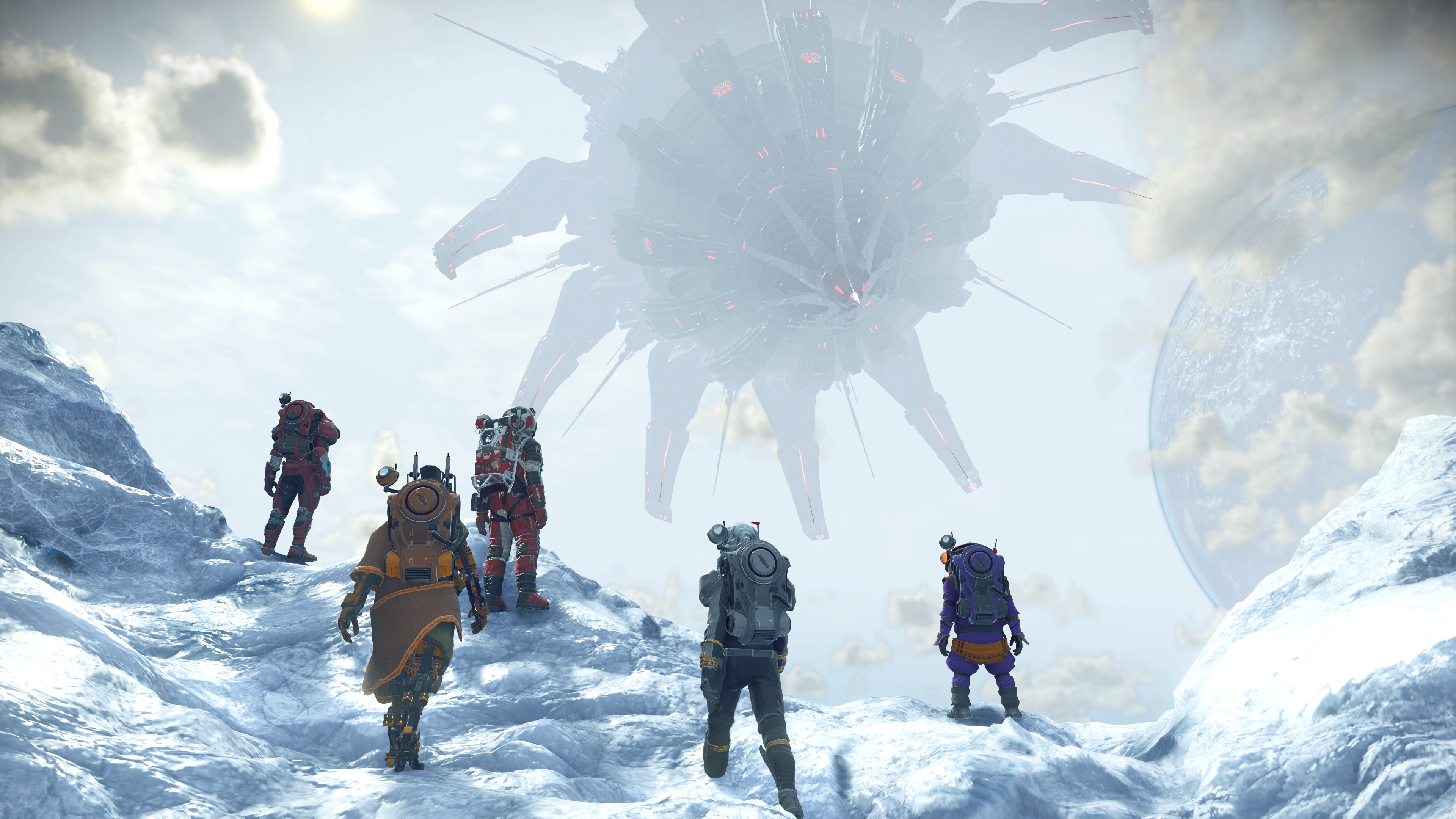
NASA has just released its Moon Base plans, outlining a semi‑permanent infrastructure that should be operational by 2029. The agency’s new roadmap is built around the Artemis program and details a three‑stage rollout that will see a sustained human presence on the lunar surface from 2032 onward.
Phase 1: Laying the Groundwork (2024‑2029)
The first phase is focused on establishing the launch cadence, crew training, and support technology needed for a permanent outpost. NASA plans up to 25 launches to the Moon during this period, including crewed missions. Key milestones include:
- A 2025 crewed lunar flyby to test systems and crew endurance
- The 2028 Artemis Moon Landing that will deliver the first astronauts to the surface
- Annual crewed lunar exploration missions thereafter to build momentum
During this stage, NASA will also deploy a fleet of rovers, drones, and satellites to support the future base. The VIPER rover will traverse the South Pole to hunt for water ice and other critical resources. Parallel development of power systems—solar arrays and nuclear modules—will demonstrate how the base will stay powered in the harsh lunar environment.
Phase 2: Building the Base (2029‑2032)
In the second stage, astronauts will test a pressurized lunar rover vehicle and begin establishing robust solar and nuclear power capabilities. The focus will shift from technology demonstration to constructing the physical infrastructure of the base, including habitat modules, life‑support systems, and logistics hubs.
Phase 3: Sustained Human Presence (2032‑Beyond)
Once the foundational elements are in place, NASA will declare a sustained human presence on the Moon. Phase 3 will involve:
- Construction of permanent habitats
- Initiation of uncrewed cargo return missions to bring back scientific samples and supplies
- Routine crew rotations that keep the base active and growing
“Eventually when we have matched the assets—the habitation modules—with the logistics, and all the things to move the logistics around, we’ll be able to say ‘we’re permanently here and we’re not giving it up,’” said Carlos García‑Galán, the Moon Base program executive, during a recent press briefing.
Challenges and the Road Ahead
While the timeline is ambitious, NASA’s Artemis program has faced repeated delays over the last decade. Just two years ago, the agency was still hoping to land humans on the Moon this year; that target has now pushed to at least 2026. The program’s success will also hinge on the readiness of SpaceX’s Starship Human Landing System and other advanced technologies. Meanwhile, China is pursuing its own lunar ambitions, aiming to land astronauts on the Moon within this decade.
These plans signal a bold step toward making the Moon a hub for scientific research and a springboard for deeper space exploration. The next few years will test whether NASA can translate these ambitious Moon Base plans into reality.