The Rise of Mii Culture
For years, I harbored a deep distrust of Nintendo’s digital avatars. Since their introduction in 2006, I viewed them as unsettling, soulless entities. While I acknowledged they could be cute, the mere sight of a Wii U booting up triggered a sense of dread. Watching a tiny stampede of ever-smiling bobbleheads rush toward the screen felt less like a feature and more like a horror movie setup.
I judged fellow Animal Crossing: New Leaf players who imported Mii faces, preferring the game’s default settings to avoid that cursed look. If you had asked me my opinion recently, I would have compared them to the annoying Bitmoji avatars plastered across Snapchat. They were creepy, generic, and devoid of genuine personality.
A Cozy Revolution in Digital Identity
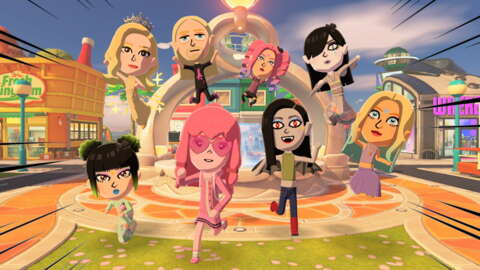
That skepticism evaporated after sinking over 50 hours into Tomodachi Life: Living the Dream. My feelings did a total 180-degree turn. I now love Miis. This isn't just because they have become visually cuter or because there are more customization options than ever before. It is because in Tomodachi Life: Living the Dream, Miis feel truly alive.
Unmatched Customization Depth
The customization depth is what first hooked me. Compare this to The Sims 4, which bafflingly limits players to just 24 hair-color options. Tomodachi Life offers 100 shades to choose from, applicable to hair, skin, and eyes. This granularity allows for incredible specificity:
- Create a four-eyed Hearthian à la Outer Wilds.
- Recreate Adventure Time’s Princess Bubblegum with ease.
- Utilize secondary hair colors for ombré or highlighted looks.
- Style bangs completely separately from the rest of the hair.
Infinite Expressive Possibilities
The game’s custom face-paint option removes creative barriers, offering infinite possibilities limited only by the player’s imagination and artistic skill. This level of detail transforms a generic avatar into a distinct character.
In Tomodachi Life: Living the Dream, the Mii is not just a placeholder; it is a canvas. This stands in stark contrast to other simulation games where characters often feel static. By beating EA at its own cozy game, Nintendo has created a digital identity system that feels more vibrant and personal than any competitor’s offering. The Miis are no longer creepy; they are companions.