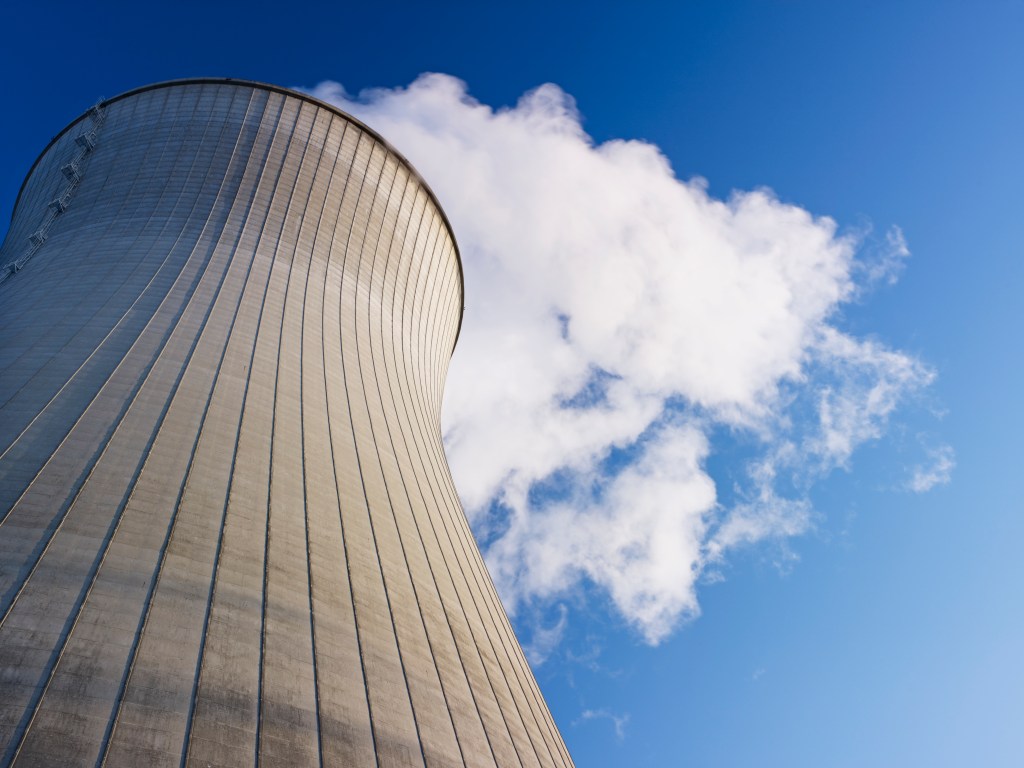
The transition from massive, centralized nuclear power plants to modular, decentralized reactors marks one of the most significant shifts in energy infrastructure in the last century. As global demand for constant, carbon-free baseload power reaches a critical inflection point, X-energy raises $1B in data center-driven IPO success, signaling a new era of technological stability. This emergence bridges the gap between traditional energy needs and the high-density requirements of modern computing.
A Landmark Public Offering on the Nasdaq
The recent market performance of X-energy signals a profound shift in investor appetite for specialized energy solutions. In its initial public offering, the nuclear startup successfully raised $1 billion, selling 44.3 million shares at $23 per share. This figure represents a significant premium over the company's initial target range of $16 to $19, demonstrating an unexpected surge in market confidence during the transition to the Nasdaq Exchange.
The scale of this capital raise far exceeded X-energy’s original goal of approximately $800 million. This surplus suggests that institutional investors are no longer viewing small modular reactors (SMRs) as speculative long-term bets, but rather as essential components of the immediate energy roadmap. The company is expected to begin trading under the ticker XE, marking a high-profile entry for nuclear technology into the public markets.
Modular Design and the TRISO Advantage
At the heart of X-energy’s value proposition is the development of Small Modular Reactors, specifically the Xe-100 model. Unlike traditional reactors that rely on massive water-cooling systems, these units are designed for scalability and high-temperature efficiency. The technical architecture relies on a unique cooling mechanism and advanced fuel composition:
- Helium gas serves as the primary coolant, flowing over pebble-sized fuel elements to regulate temperature.
- Each pebble contains TRISO fuel pellets, which consist of a uranium kernel encased in protective layers of carbon and silicon.
- This "pebble bed" design is engineered to withstand extreme thermal stress, significantly reducing the potential for a meltdown.
The use of TRISO (Tri-structural Isotropic) fuel represents a critical leap in safety engineering. By providing containment at the microscopic level, the technology addresses one of the most persistent barriers to nuclear adoption: public and regulatory concern regarding catastrophic failure. While TRISO was developed years ago, its integration into a commercial-scale SMR platform provides a tangible path toward safer, more localized energy production.
Powering the AI Infrastructure Boom
The surge in X-energy's valuation is inextricably linked to the massive electrification requirements of the modern tech landscape. As hyperscalers and cloud providers race to expand their computing footprints, the need for reliable, 24/7 power has become a primary bottleneck for progress. The demand from the data center sector is no longer a secondary consideration; it is the driving force behind the current nuclear renaissance.
X-energy has already secured strategic partnerships that validate this industrial demand:
- A major agreement with Dow to provide both electricity and much-needed heat for chemical processing in Texas.
- A massive deal with Amazon to supply as much as 5 gigawatts of nuclear power by 2039.
The involvement of Amazon’s Climate Pledge Fund in previous funding rounds highlights the deep integration between big tech and next-generation energy providers. As artificial intelligence continues to drive unprecedented growth in compute requirements, the ability to provide localized, high-density power will separate the leaders of the digital economy from those left constrained by aging, carbon-heavy grids.
The Verdict on the Energy-Compute Nexus
The success of the X-energy IPO serves as a bellwether for the future of the energy-compute nexus. We are witnessing a fundamental realignment where the constraints of the physical world—specifically power density and thermal management—are dictating the pace of software and AI evolution.
If SMR technology can achieve its promised deployment timelines, the decoupling of energy production from massive, centralized grids could provide the stability required for the next era of industrial automation. The $1 billion raise is a clear signal: the race for AI supremacy will be won by those who can secure the power to run it.