Nvidia's First In-House CPU Benchmarked: A Technical Deep Dive
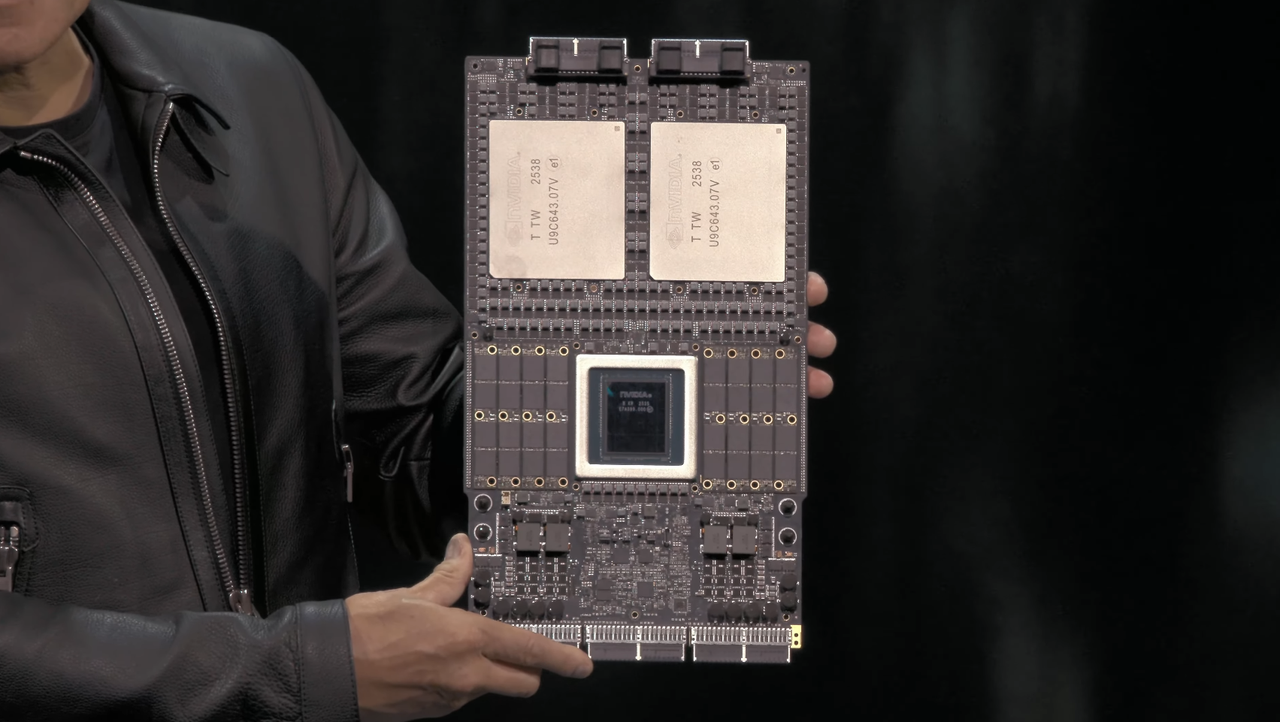
The first true Nvidia's first in-house CPU benchmarked has been benchmarked and found to beat, well, just about everything. The catch? While this is an independent test, Nvidia dictated the kinds of workloads that could be assessed. We speak, of course, of Nvidia's Vera CPU, part of the company's upcoming next‑gen Vera Rubin AI platform. Vera contains a CPU core known as Olympus, and the reason why it's the first “true” Nvidia CPU is because those cores were designed in‑house by Nvidia to use the Arm instruction set. Previous Nvidia CPUs, such as Grace, used CPU cores designed by a third party, such as Arm itself.
Benchmark Overview
Phoronix.com ran tests on code compilation, Python performance, Open JDK Java workloads, AV1 encoding, and 7‑Zip compression — tasks that matter for both enterprise servers and consumer PCs. Vera’s Geomean of results shows it edging AMD’s Epyc server chips by about 10% and outpacing Intel’s flagship Xeon CPU by over 50%. The per‑core performance in 7‑Zip reached a solid 20% advantage over x86.
- Code compilation
- Python performance
- Open JDK Java workloads
- AV1 video encoding
- 7‑Zip compression
Overall, Phoronix claims Vera “easily has the measure of pretty much any Arm CPU for servers,” though final figures aren’t provided. Vera is notably more performant than out‑of‑the‑box Ampere Computing or custom Arm solutions from cloud providers like Google Compute Engine and Microsoft Azure.
Performance Comparison
AMD’s Epyc chips were tested side‑by‑side with Vera, confirming the 10% edge in the Geomean metric. Intel Xeon’s flagship processor was also compared, highlighting a 50% performance gap. The Olympus core, designed specifically for Nvidia’s stack, delivers consistent superiority across these benchmarks.
Vera trades blows with AMD’s Epyc server chips for video encoding and pretty much rubs the Intel Xeon competition out of the way. As for 7‑Zip, Vera’s per‑core performance is getting on for 20% better than any x86 CPU.
Overall, in Phoronix’s geomean of results, Vera beat the best AMD Epyc chip by about 10% and walloped Intel’s flagship Xeon CPU by over 50%. Phoronix also claims that Vera easily has the measure of pretty much any Arm CPU for servers.
What can be concluded from all this? Nvidia seems to have a very performant CPU core on its hands in the Olympus core. How relevant that is for PC gaming is less clear. Nvidia’s upcoming N1x chip for the PC, as far as we know, uses off‑the‑shelf cores designed by Arm, not the new Olympus core. However, if Nvidia is committed to producing Arm CPUs for the PC, it seems reasonable to expect that the company might unify its efforts, just as AMD and Intel do with its consumer and enterprise CPU core designs. And so Olympus, or perhaps a successor architecture that follows it, could be the basis for future consumer and gaming PC processors from Nvidia. This is the Nvidia's first in-house CPU benchmarked, and it looks like Nvidia might just come up with something pretty awesome — just don’t expect to see it in an actual PC anytime soon. The N1x chip isn’t even out yet, after all.