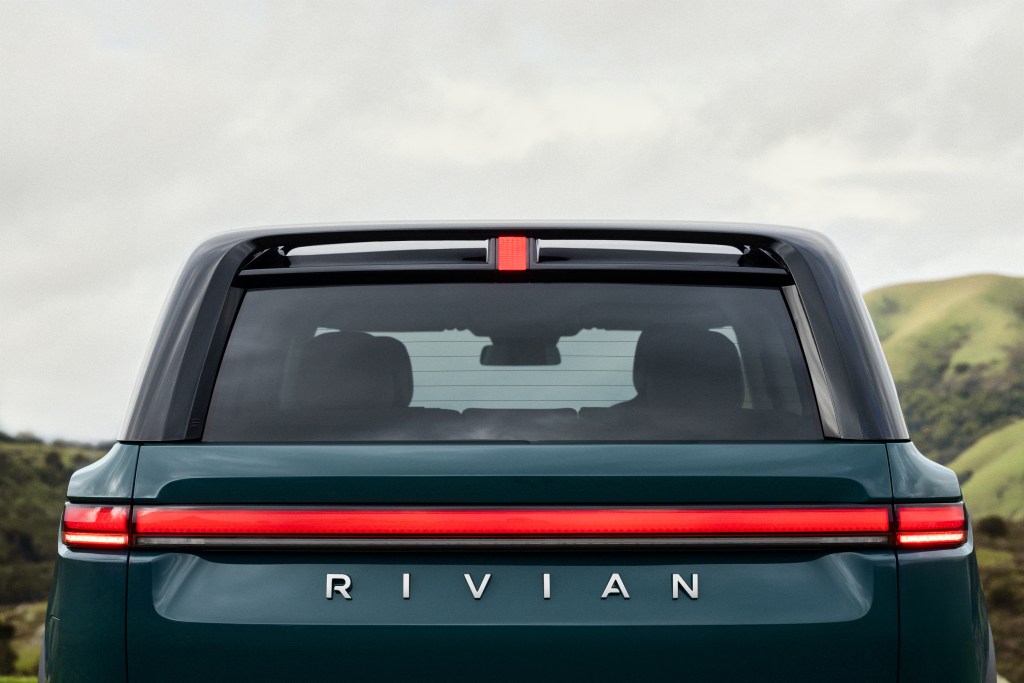
A major shift is occurring at the frontier of the electric vehicle sector. Recent regulatory filings have revealed that Volkswagen has officially overtaken Amazon to become Rivian’s largest shareholder. This sudden change in ownership structure could fundamentally reshape the strategic priorities for the EV startup and its global partners.
The New Equity Landscape at Rivian
The balance of power within Rivian's cap table has undergone a significant transformation. As Volkswagen increases its influence, Amazon's role as a primary backer is receding. Key details regarding this shift include:
- Volkswagen’s Ascendancy: VW Group’s stake in Rivian has surged from 8.6% to 15.9% over the last two years. This growth is driven by a massive joint venture focused on electric architecture and software development.
- Amazon’s Exit: Once the dominant shareholder, Amazon now holds just 12.28%. This is a notable drop from its early 20% stake held when it also served as Rivian’s primary delivery contract partner.
- Strategic Investment Milestones: Volkswagen’s commitment includes a total of $5.8 billion, featuring phased investments tied to Rivian’s technical progress. A recent $1 billion boost followed the successful completion of winter testing for the VW ID.EVERY1.
Strategic Implications of the Volkswagen-Rivian Partnership
The evolution of this partnership extends far beyond simple equity percentages. As Volkswagen becomes Rivian’s top shareholder, the focus is shifting toward shared automotive expertise.
The upcoming production of the Rivian R2 SUV stands to benefit significantly from VW's deep manufacturing and automotive experience. Interestingly, the current joint venture is designed to deliberately exclude AI and autonomy—technologies that Rivian prioritized with a $1.7 billion R&D spend in 2025. While this separation helps clarify immediate strategic goals, it also introduces the risk of fragmented innovation within the industry.
Financial Realities and Future Trajectories
Rivian’s roadmap to profitability remains tied to its ability to scale production while strictly managing high R&D costs. The company has already revised its EBITDA target for the period past 2027, reflecting the challenges of the current market.
However, Volkswagen’s deepening investment signals massive confidence in Rivian's long-term potential to accelerate global electrification goals. Moving forward, this alliance could unlock new licensing deals or entirely new product categories.
As the ecosystem evolves, the interplay of capital and technology will define the leaders of electric mobility. The fact that Volkswagen becomes Rivian’s top shareholder underscores a critical truth: in the EV race, strategic alliances are about much more than funding—they are about shaping the future of transport.