For many gamers, the childhood experience was defined by free software—first shareware, then Flash games. But for those growing up after 2006, that digital playground was almost certainly Roblox.
By 2025, the scale of Roblox's dominance became undeniable, with players spending over 10 billion hours on the platform every month. To put that in perspective, that is more playtime than Steam, PlayStation, and Fortnite combined. Within this massive ecosystem, 99 Nights in the Forest emerged as a standout hit, reaching a staggering peak of 14.2 million concurrent players.
The Massive Scale of 99 Nights in the Forest
To understand the sheer size of this playerbase, consider that 14.2 million people is roughly 2.7 times the entire population of New Zealand. This level of engagement is something traditional multiplayer games can only dream of.
The game was developed by Grandma's Favourite Games, a studio led by Alec Kieft (known online as Cracky4). Kieft’s journey into game development began in the very trenches of the Roblox ecosystem. While a well-meaning math teacher believed the physics sandbox element of Roblox could be educational, Kieft recalls a much different reality: "There were not a lot of experiences on Roblox that you could argue were like learning experiences... We would sit there basically shooting zombies in maths class."
Kieft’s path from player to creator was smoothed by the platform's integrated tools. On any Roblox installation, the Roblox Player and Roblox Studio sit side-by-side, making the transition from playing to programming incredibly seamless. His first foray into development, Defenders of Roblox, was a tribute to the "cruddily" made but lovable 2014 era of Roblox remakes.
Finding Behemoth Playerbases on Roblox
The Roblox landscape is constantly shifting through subgenres and cultural trends. While older players might reminisce about the era of "war clans"—organized groups that engaged in massive, roleplay-heavy raids—the current market often fluctuates between:
- Tycoon Games: Often focused on incremental progress rather than true management simulation.
- Simulators: Primarily idle experiences centered around "number go up" mechanics.
- Friendslop/Social Genres: Newer, highly collaborative experiences designed for interaction.
Unlike indie titles on Steam that must win a "lottery" of visibility to find an audience, Roblox provides a built-in, ubiquitous userbase. As Kieft notes, "To find these behemoth player bases you need to be on a platform like Roblox. It is where culture is happening right now."
99 Nights in the Forest distinguishes itself by offering an active, collaborative experience compared to the more passive "waiting" mechanics found in hits like Grow a Garden. Players must navigate a survival-crafting loop:
- Gathering wood and scrap during the day.
- Hunting for items and searching for four missing children.
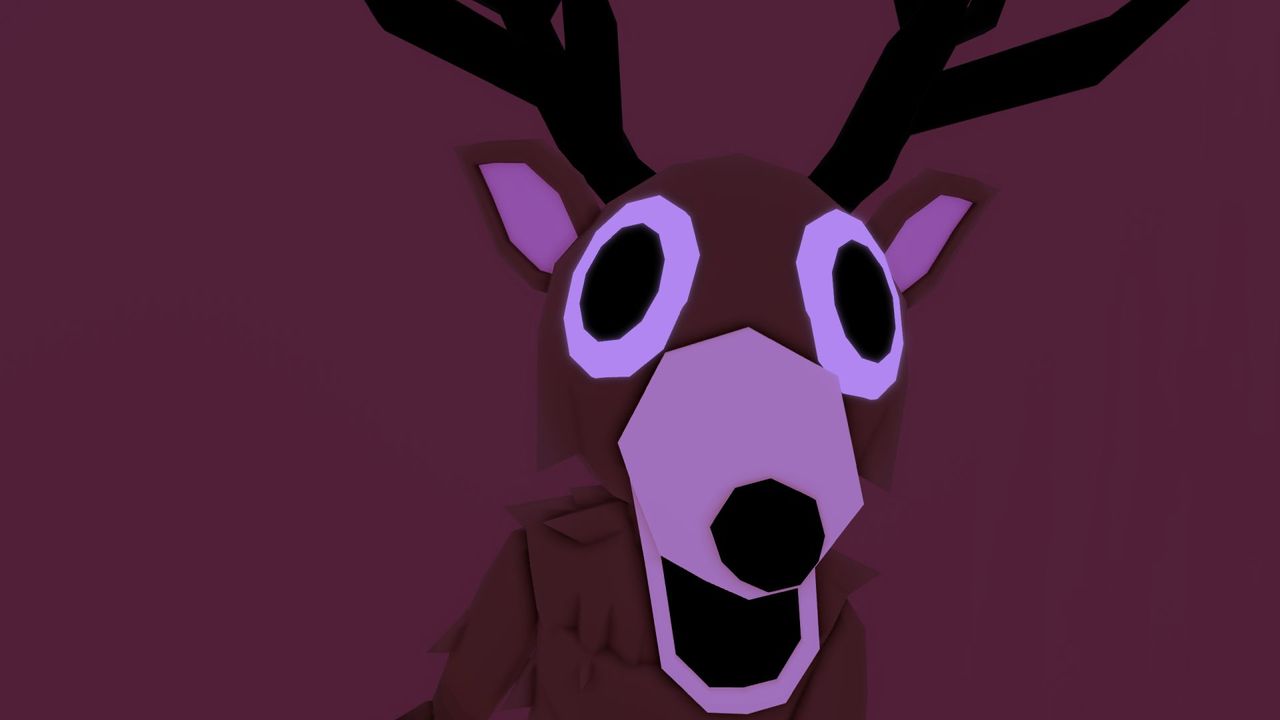
- Surviving the night against threats like "the Deer," a terrifying, upright-walking monstrosity.
The Challenge of Constant Content Updates
While the platform offers unparalleled reach, it also demands constant engagement. Developers often feel pressured to maintain a strict update cadence to prevent player churn. Initially, Grandma's Favourite Games adhered to a stringent weekly schedule for 99 Nights in the Forest.
However, a recent two-week hiatus has provided much-needed clarity on the game's longevity. Despite the lack of fresh content during this break, the game remains high in the charts.
"We've been pleasantly surprised to see that the game hasn't fallen off a cliff as soon as we stopped doing those updates," Kieft says. "We're still... number three by daily active users on the platform, despite having not updated now in two weeks. That's a huge relief."
While the team plans to expand the late-game content and fill existing gaps upon their return, the stability of the game's massive audience has proven that high-quality gameplay can endure even when the developers take a much-needed breather.