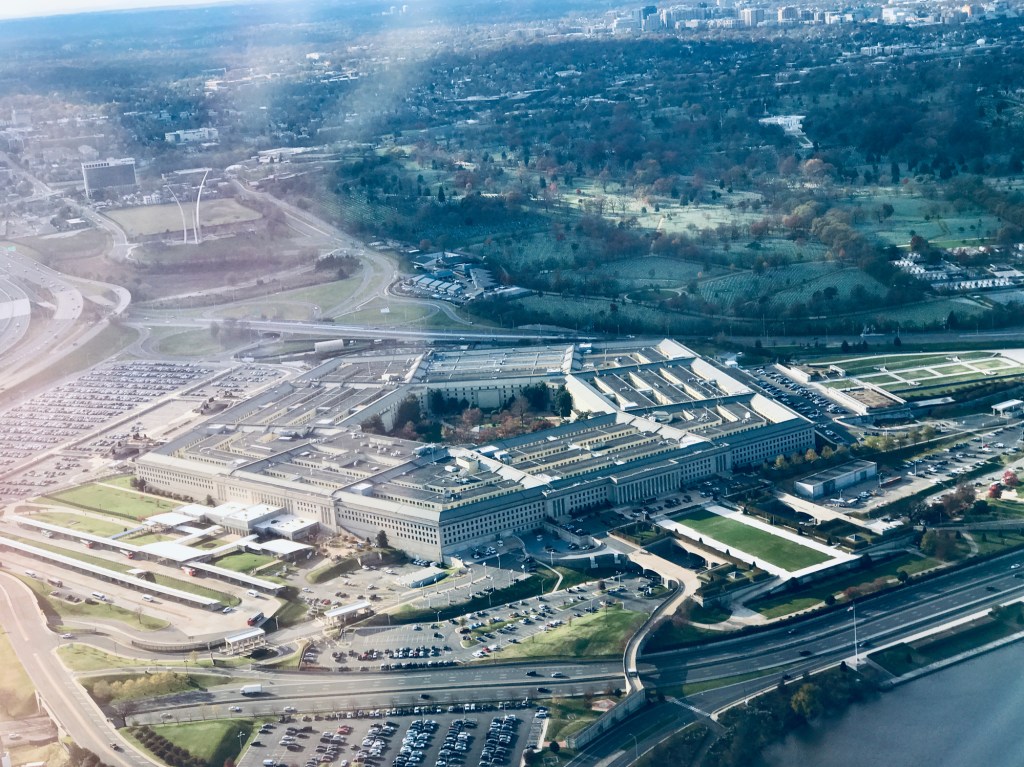
Data streams across a highly encrypted interface, where neural networks parse massive datasets to highlight emerging threats before a human operator even registers the movement. This is the operational reality being forged through new agreements between the U.S. Department of Defense (DoD) and the world’s most powerful tech entities. The Pentagon has officially expanded its technological coalition, signing new deals with Nvidia, Microsoft, Amazon Web Services (AWS), and Reflection AI to deploy AI on classified networks.
These agreements represent a significant pivot in military doctrine, aiming to transition the United States military into an AI-first fighting force. By integrating these specialized models into protected environments, the DoD intends to maintain decision superiority across all domains of warfare, from terrestrial combat to cyber and space operations.
Securing the Intelligence Pipeline
The deployment of these AI tools is not intended for general-purpose use but is strictly targeted at high-security environments. The Pentagon has specified that the hardware and models provided by these vendors will operate within Impact Level 6 (IL6) and Impact Level 7 (IL7) architectures.
These classifications represent the highest tiers of data security. They require rigorous physical protection, strict access controls, and exhaustive auditing processes to safeguard national security interests. The strategic goal is to automate and accelerate the synthesis of complex information through these high-level environments.
By leveraging these advanced tools, the military aims to achieve several critical objectives:
- Streamline data synthesis from disparate intelligence sources.
- Elevated situational understanding through real-time pattern recognition.
- Augmented decision-making for commanders in high-pressure scenarios.
This expansion builds upon the existing foundation of GenAI.mil, a secure enterprise platform that already serves more than 1.3 million DoD personnel. While GenAI.mil currently focuses on non-classified tasks such as research and document drafting, the mission to deploy AI on classified networks via Nvidia and AWS capabilities marks a move toward much more sensitive operational applications.
Strategies to Deploy AI on Classified Networks
The decision to bring in additional players like Nvidia and Reflection AI follows a period of strategic friction within the defense sector's supply chain. A notable tension has emerged with Anthropic, as the Pentagon sought unrestricted access to its models.
In response, the AI lab insisted on maintaining guardrails to prevent technology from being used for autonomous weapons or domestic mass surveillance. This dispute led to legal battles and the controversial labeling of Anthropic as a potential "supply-chain risk."
To mitigate such risks, the DoD is aggressively pursuing a multi-vendor strategy designed to prevent vendor lock-in. The Pentagon’s current roadmap emphasizes a resilient American technology stack that allows for long-term flexibility. By diversifying its portfolio, the Department ensures that no single corporate policy or legal injunction can paralyze the military's access to essential intelligence tools.
The current landscape of defense-integrated AI now includes an impressive roster of industry leaders:
- OpenAI and Microsoft
- Google and AWS
- SpaceX
- Nvidia
- Reflection AI
The Rise of Algorithmic Warfare
The implications of these deals extend far beyond simple software updates; they represent a fundamental shift in how modern conflict is managed. As the distinction between digital intelligence and physical action continues to blur, the ability to process information at machine speed will likely become the primary metric of military strength.
The Pentagon’s move to deploy AI on classified networks suggests that the next generation of defense will be won or lost in the architecture of the cloud. As these models move from research labs into active-duty environments, the challenge for the DoD will be balancing rapid innovation with the strict ethical and operational requirements of warfare.
The integration is no longer a question of "if," but a matter of how effectively these disparate technological threads can be woven into a single, cohesive, and unassailable defensive fabric.