Pete Hines Explains His Departure from Bethesda Over Industry 'Abuse'
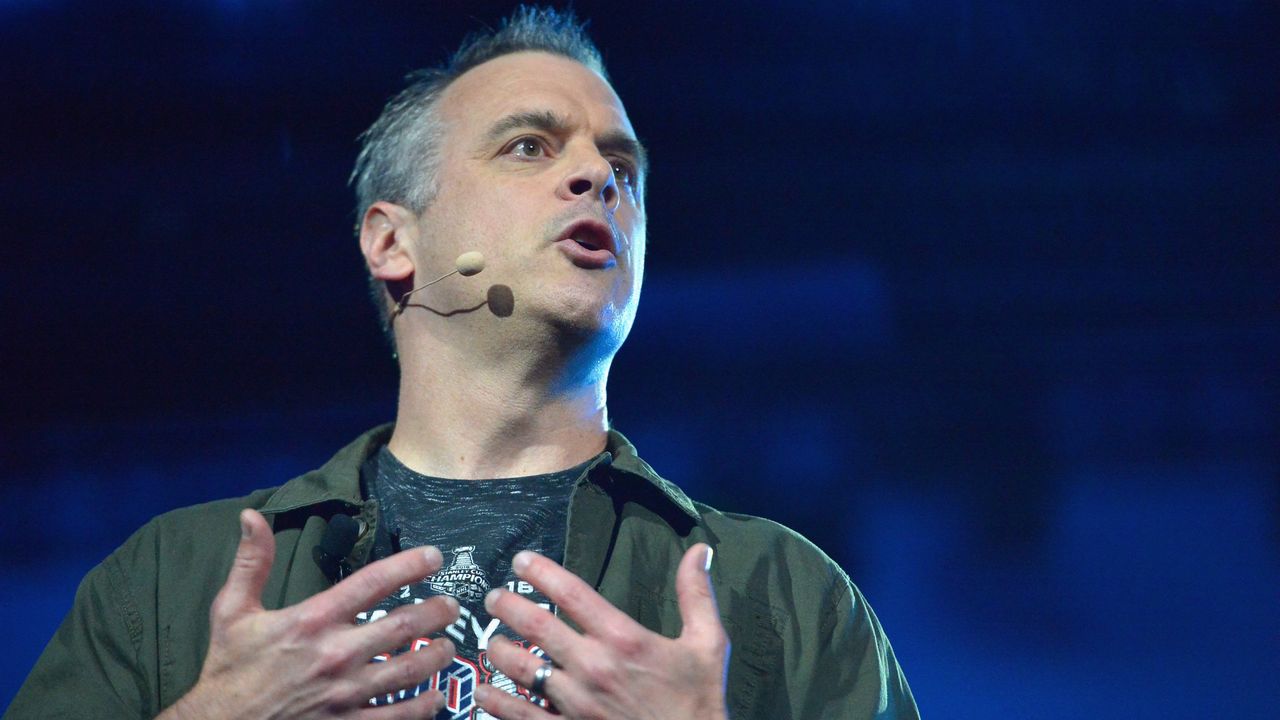
For nearly a quarter-century, Pete Hines stood as the public face of Bethesda Softworks, serving first as the company's marketing and PR lead before becoming a recognizable figure at E3 showcases. While Todd Howard remained the number-one figure in terms of public awareness, Hines was the backbone of the studio for 24 years until his recent exit sparked significant discussion within the gaming community. In a revealing new interview with Firezide Chat Gaming, Hines finally addressed why he left the company that shaped so much of modern gaming history. The core reason? He could no longer watch Bethesda being "damaged" and "abused" without intervening to protect its legacy.
A Legacy Built on Manuals and Masterpieces
Hines's journey began long before the studio held its own E3 stages; his first credits at Bethesda include writing the manuals for titles like Sea Dogs, PBA Tour Bowling 2001, IHRA Drag Racing 2, and notably, The Elder Scrolls III: Morrowind. Despite these early contributions, it was his decades of leadership that cemented his status as a pivotal figure in the industry. When he finally decided to walk away, Hines admitted it was not a decision he made lightly or with enthusiasm.
He explained his motivation for staying until the very end was rooted in a sense of duty rather than desire: "I was staying there because this place still needs me," Hines stated during the interview. However, that sense of obligation eventually collided with a harsh reality regarding the studio's direction under new ownership. He reached a breaking point where he felt powerless to execute the changes necessary to run the company properly or safeguard its employees and culture.
The Microsoft Acquisition and Cultural Shift
The turning point for Hines occurred following Microsoft's acquisition of Bethesda in 2020, which was then the biggest blockbuster game acquisition in history. Although Hines originally described the partnership as a "perfect fit" at the time of the deal, the reality shifted dramatically just three years later. Following the release of Starfield, Microsoft restructured its Xbox studio hierarchy to bring Bethesda and other ZeniMax subsidiaries under direct control, effectively dismantling the autonomy Hines had fought to maintain.
Hines described witnessing the company he loved being "broken apart" and "mistreated," prompting his final resignation. He noted that while he wouldn't explicitly name Microsoft in the interview, the connection was obvious to anyone following the industry news. His decision was driven by a refusal to stand idly by as the studio he helped build suffered under what he perceived as neglect and abuse.
The Final Stretch: Starfield and Todd Howard's Support
A key factor in Hines's timeline for leaving was his commitment to seeing through one last major project: Starfield. He revealed that he knew he would be leaving the year prior, but kept waiting for the game's release. "I was waiting until after Starfield," Hines said, noting that every delay pushed his departure further out. "Every time Todd delayed Starfield, I thought, fuck, I'm here another eight months."
Despite the friction regarding the company's direction, Hines holds Todd Howard in the highest esteem, crediting him for making his final days tolerable and preserving his sanity.
- Hines revealed that Todd was the only person who knew about his departure until it happened.
- He described Howard as someone who "showed up" when he was at his wit's end.
- Hines emphasized that Howard helped him navigate the exit in a way that allowed him to retain his dignity.
Preserving Respect Amidst Complexity
In the interview, Hines expressed genuine affection for Howard and the Bethesda team as a whole, even while criticizing the corporate changes. He argued that despite the sometimes "janky or buggy" nature of their games, the studio deserves immense respect. According to Hines, Howard and his colleagues are willing to lean into a level of game complexity that "everybody else runs away from."
Ultimately, Hines's departure was not born out of anger toward his colleagues but rather a deep-seated need to stop the perceived decline of the studio's culture. By leaving, he hoped to draw attention to how an incredibly efficient and well-run developer could be allowed to fall apart under new management. His story serves as a poignant reminder of the human cost behind major corporate acquisitions in the gaming world.