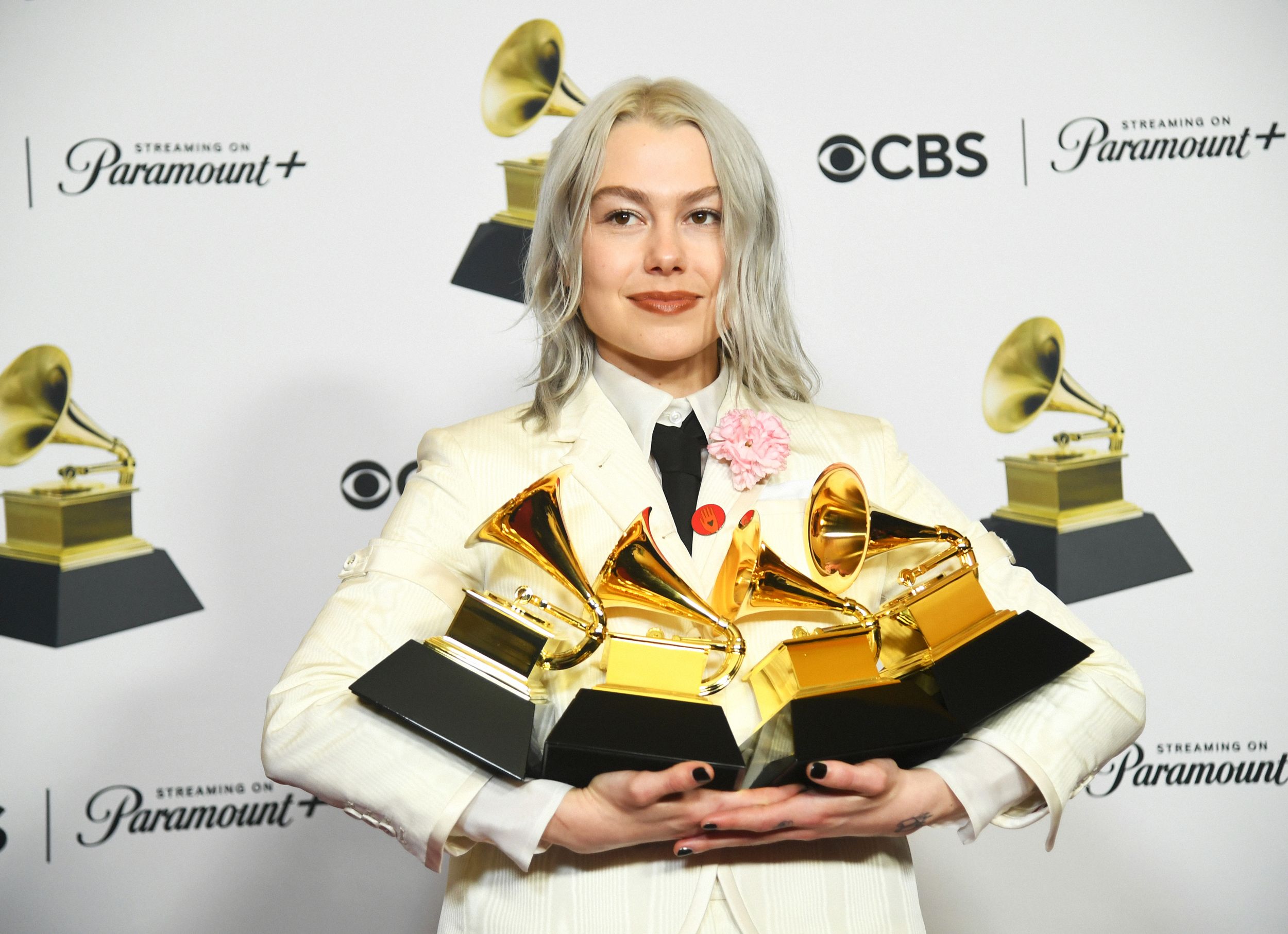
A flyer, damp with rain, fluttered across the sidewalk in Lexington, Kentucky, in early May. It was the only clue fans had to a surprise Phoebe Bridgers show, one of many small-venue appearances the singer had been making with no phones allowed and no recordings permitted. This quiet, almost invisible rollout has become a masterclass in scarcity marketing, turning the anticipation for her new music into a viral, grassroots mystery.
The Mysterious Pop-Ups and the Power of Absence
Phoebe Bridgers' approach to hyping her new music is as unconventional as it is effective. Rather than bombarding social media with teasers or snippets of new songs, she’s staged nearly 20 surprise shows in places as small as 200-person venues. The lack of digital presence has forced fans to rely on physical flyers, local rumors, and fragmented information, creating a sense of urgency and mystery.
- Shows are announced via paper flyers, not social media
- No phones allowed, with concertgoers required to use Yondr pouches
- No recordings of new songs are permitted
- The absence of digital content has sparked a wave of fan speculation and detective work
This strategy has proven remarkably successful. The limited information has not only fueled excitement but also created a community-driven discovery process, where every new detail feels like a breakthrough. Fans are now hunting for clues in real life, scouring their cities for flyers and piecing together patterns that might hint at the album’s release date or title.
A New Era of Fandom: Intimacy Over Exposure
The experience of attending a Bridgers show is not just about the music—it’s about the immersive, almost cult-like atmosphere. With no phones allowed, fans are forced to be present, to engage with the music in the moment, and to share the experience without the distraction of screens. This has turned each performance into an event that feels more exclusive, more valuable.
Jesse Sachs, a culture marketing strategist, notes that this approach taps into a growing desire for authentic connection in an oversaturated digital landscape. “When there's a firehose of music and content, scarcity becomes a powerful tool,” he explains. “It helps artists make their work stand out.”
The no-phone rule is not just a gimmick—it’s a deliberate choice to prioritize the emotional impact of the music. As one fan put it, “I truly wish every concert was like that.” Without the ability to record or share, the experience becomes more personal, more memorable.
What’s Next? Bridgers and the Future of Music Rollouts
The Madison Square Garden show, the largest of the pop-up run, will follow the same no-phone rule, marking a shift from the intimate mystery of small venues to a larger, more public stage. But the core of the strategy remains intact: limiting exposure to heighten anticipation.
This approach is not unique to Bridgers. Other artists, like Lucy Dacus and Drake, have experimented with limited access, small venues, and even physical installations to create buzz. But Bridgers’ method is particularly effective because of the way it taps into the existing fandom infrastructure—specifically, platforms like Reddit and the fan communities that thrive on the thrill of discovery.
As the rollout continues, one thing is clear: Phoebe Bridgers is proving that sometimes, the best way to hype new music is to ditch the internet altogether. In a world where everything is instantly accessible, the absence of content has become the most powerful form of promotion. And for fans, it’s a reminder that sometimes, the most valuable experiences are the ones you can’t share online.
The album may not be out yet, but the hype is already at a fever pitch. And if history is any indicator, the wait will be worth it.