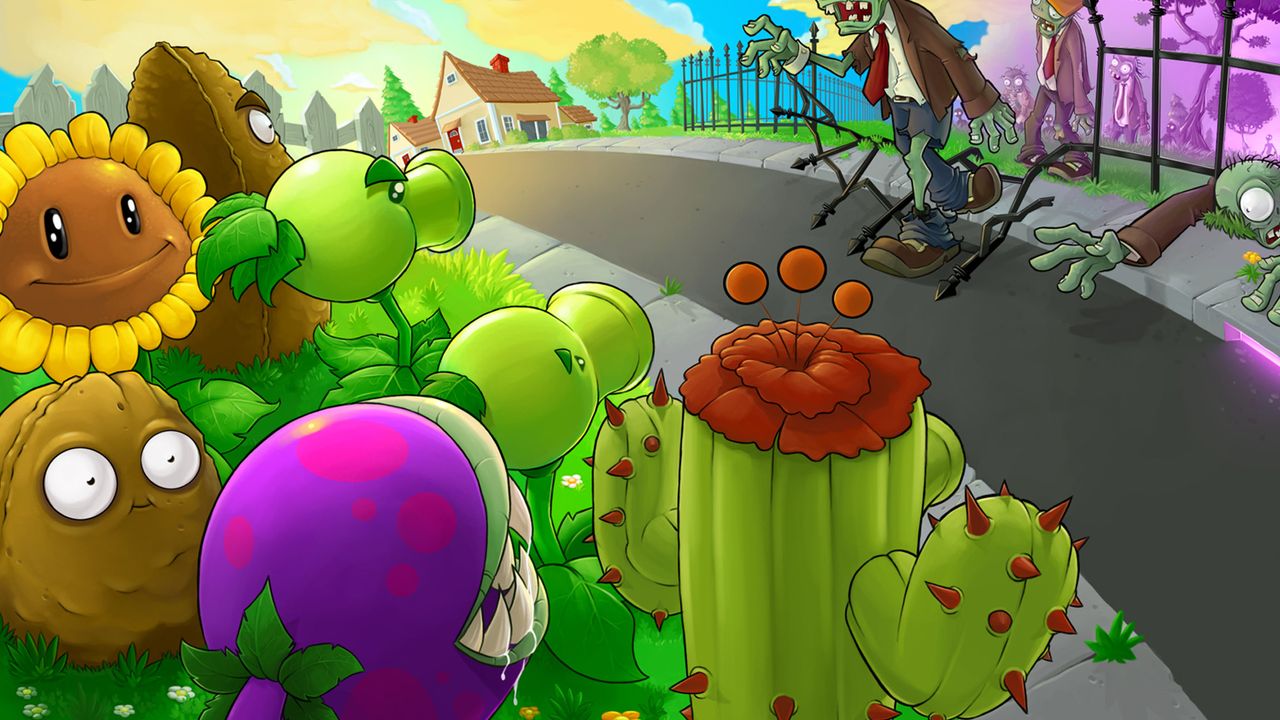
Looking back at the landscape of casual gaming, this Plants vs. Zombies review (2009) captures a moment when PopCap truly captured the world's attention. Originally intended to be titled "Lawn of the Dead," the game arrived on May 5, 2009, and quickly became an essential part of the tower defence genre.
The premise is deceptively simple: you have a lawn, and soon, the dead will attempt to cross it to eat—as the game puts it in dripping green capitals—"YOUR BRAINS!" To stop them, you must collect blobs of sunlight generated by your Sunflowers. You then spend that sun to place plants that shoot, block, trap, freeze, eat, or explode the oncoming zombie hordes.
The Strategy of Sun and Seeds
While some might mistake it for a simple casual title, this game is far more complex than it appears. It takes a few onslaughts to accept its oddities, such as zombies not navigating around plants in their way or certain plants only being able to shoot directly forward. However, once you look past the initial quirks, you realize that Plants vs. Zombies belongs to no genre I know.
The depth of the game lies in your expanding toolbelt of seeds. You receive a new plant type at the end of every level throughout the roughly seven-hour Adventure mode. Eventually, your available arsenal outnumbers your planting capacity, making every decision agonising.
Consider these strategic dilemmas:
- Choosing between Wall-Nut and Tall-Nut for pure defence.
- Deciding if you have space for a Split Pea to shoot backwards.
- Managing the lack of sun during night levels.
- Using Magnet Shrooms to protect against specific threats.
A Growing Horde of Challenges
As part of this Plants vs. Zombies review (20 09), it is impossible to ignore the sheer variety of threats. The game progressively introduces more formidable—and equally adorable—configurations of "ambulatory stiff."
The environments change the gameplay significantly:
- Day levels: Straightforward planting of Sunflowers and Pea Shooters.
- Pool levels: Requires placing fragile lilypads to plant on water.
- Night levels: Sunlight is scarce, making you dependent on vulnerable nocturnal mushrooms.
- Roof levels: Requires the use of pots to grow plants on the rooftop.
The zombie variety is equally impressive and terrifying. You will face everything from simple bucketheads to Thriller zombies in red leather jackets, Balloon zombies, Miner zombies tunneling underground, and even Zombie Dolphins.
Beyond the Adventure Mode
The drip-feed of new toys keeps the Adventure mode exciting, but a massive amount of content is building in the background. Between levels, you can engage in various minigames and manage your Zen Garden to generate income for Crazy Dave's car boot sale.
Some standout modes include:
- Beghouled: A mash-up of Bejeweled mechanics with plant strategy.
- Last Stand: A high-budget challenge where you design the perfect garden.
- I, Zombie: A complete reversal where you play as the attacker.
Ultimately, this game has more substance, invention, and humour than many of its contemporaries. It isn't a hardcore strategy game, but it is a brilliant one. I stop playing games when I tire of their mechanics or get irritated by random elements; I stop playing Plants vs. Zombies when someone makes me.
Game Details (PC Gamer #200, May 2009):
- Price: $20
- Developer/Publisher: PopCap
- Required Specs: 1.2Ghz CPU, 256Mb RAM, DirectX 8 GPU
- Influences: Insaniquarium, Desktop Tower Defence