PlayStation Console Sales Fell to Their Lowest May Total in 26 Years Following PS5 Price Rise
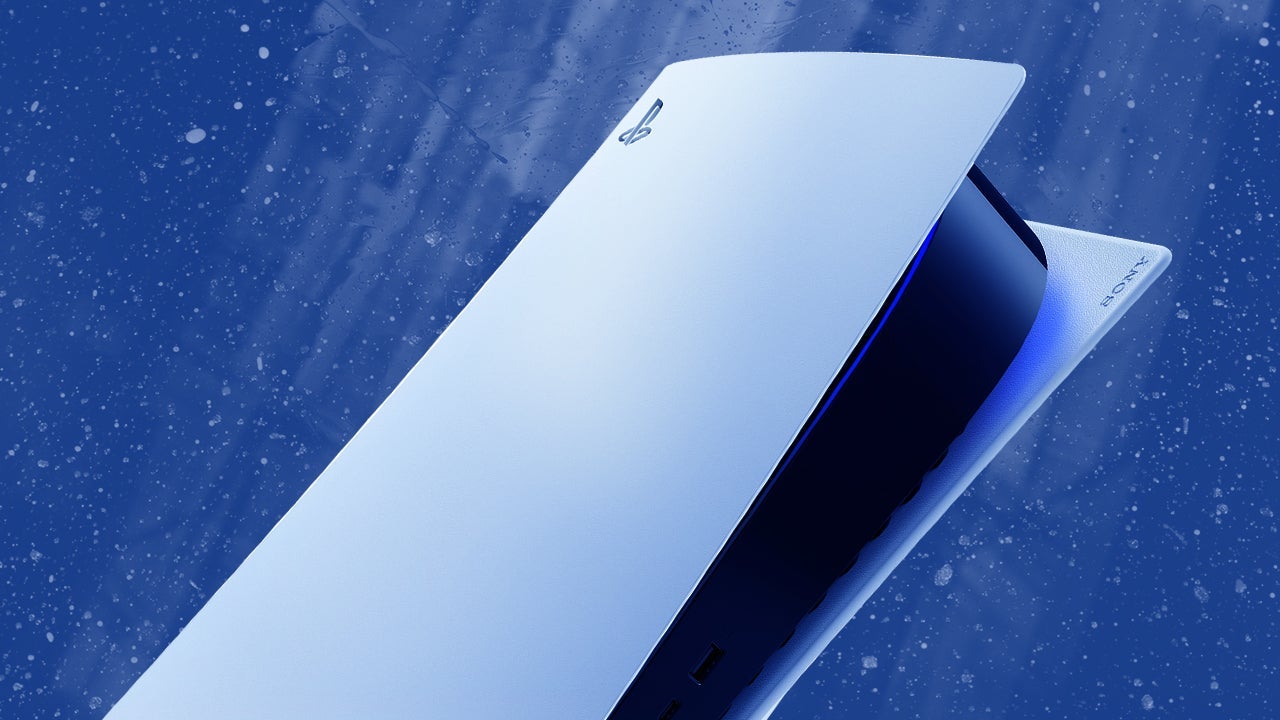
May was a challenging month for both PlayStation and Xbox in the U.S. market, with price increases significantly affecting consumer demand for new consoles. Sony raised the price of PS5 consoles in April, bringing the standard PS5 to $649.99, the PS5 Digital Edition to $599.99, and the PS5 Pro to $899.99. These increases appear to have had a major impact on PS5 sales in May, according to new Circana data, which shows a 43% year-on-year decline in spending and a 58% drop in unit sales.
Xbox faced similar struggles, with hardware spending increasing by 7% compared to the previous year, but unit sales still falling by 12%. This decline can be attributed to the fact that Xbox Series consoles became more expensive in May compared to the same period last year. Microsoft had increased the Xbox console price by $20 to $70 in the U.S. last October.
The Impact of Rising Prices on Console Sales
Mat Piscatella, Senior Director, Video Games at Circana, noted that PlayStation hardware unit sales fell to their lowest May total since May 2000, which is a significant blow to Sony. Meanwhile, Xbox hardware unit sales were the lowest ever recorded for a May month. This situation highlights the broader trend of rising console prices and their impact on consumer behavior.
According to Circana, the average price paid for a new unit of video game hardware reached $502 in May, up 14% compared to the same period last year. Specifically, the average price of a PS5 in May 2026 increased by 33% to $672, while the average price for an Xbox Series console rose by 22% to $524. Traditionally, consoles become more affordable over the course of their generation, but this trend has been reversed due to ongoing supply chain issues.
The "RAMpocalypse" and Its Effects on Console Manufacturing
The price increases are a direct result of the ongoing "RAMpocalypse," a global memory shortage and price crisis driven by semiconductor manufacturers reallocating their DRAM and NAND production capacity to high-margin hardware for AI data centers. Microsoft acknowledged this issue when it announced another price rise for Xbox consoles this week. The company noted that it had hoped to avoid further increases but has been working with suppliers to find solutions. Unfortunately, console storage and memory prices have increased by more than 2.5x since last year, and Microsoft expects another doubling by the fall of 2027.
The entire consumer electronics industry is grappling with the current components crisis, but the effects are particularly pronounced on consoles. Unlike smartphones, computers, and speakers, which are often sold at a profit, consoles are typically sold at a loss. This makes it even more difficult for manufacturers to absorb the rising costs of components without passing them on to consumers.
Sony also cited "continued pressures in the global economic landscape" as the reason for its PS5 price hike. This is a common challenge for hardware manufacturers, as seen in the case of Valve’s Steam Machine. With no immediate relief in sight, the console price increases are likely to continue. Microsoft expects another doubling of console storage and memory prices by the fall of 2027, so it remains to be seen how the market will react in the coming years. Fingers crossed for 2028!