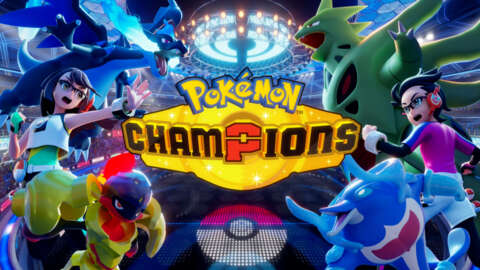
Pokemon Champions Video Review: A Promising Start with Critical Flaws
The mobile gaming market’s recent pivot toward competitive Pokémon experiences reveals a stark disconnect between fan expectations for a digital successor to Pokémon Stadium and Nintendo’s actual delivery with Pokemon Champions. While the franchise has successfully leveraged its brand identity across handhelds, this latest attempt to capture the hardcore battling community feels less like a polished arena and more like an unfinished prototype masquerading as a full release. As we dive into this Pokemon Champions video review, it becomes clear that while the core mechanics honor the series' legacy, the surrounding ecosystem struggles to meet the high standards set by years of anticipation from the fanbase.
The Arena Falls Short of Legacy Ambitions
Pokémon Champions positions itself as the definitive online PvP destination for the series, aiming to replace the localized multiplayer experiences of the past with a robust digital ecosystem. However, early impressions suggest that this "free-to-start" title fails to live up to the high bar set by previous entries. The core combat system remains faithful to the classic turn-based mechanics that fans adore, yet the surrounding infrastructure feels stripped down. It resembles more of a bare-bones Ditto imposter than the fully realized Stadium successor the community has been craving for years.
The battle experience itself is competent but lacks the depth required to sustain long-term engagement from veteran trainers. Players are thrown into matches without sufficient context or tutorialization, leaving a significant portion of the population navigating complex mechanics through trial and error rather than guided instruction. This lack of clarity turns what should be an accessible entry point for new competitors into a frustrating barrier that alienates casual users while failing to fully satisfy the demands of the competitive scene.
Missing Features Undermine the Competitive Ecosystem
The absence of key features expected in a modern competitive platform raises serious questions about the game’s readiness for launch. Rather than being a polished cornerstone, Champions feels like it was released prematurely, forcing the community to fill gaps that should have been addressed during development. The frustration is palpable among users who view the current state as resembling an unfinished beta or an early access product rather than a commercial title ready for the masses.
Several critical elements are notably absent or underdeveloped in this initial iteration:
- Comprehensive Tutorials: New players struggle to understand advanced strategy nuances, leading to a steep and unforgiving learning curve that discourages retention.
- Robust Matchmaking: The systems currently in place do not always pair trainers of equal skill, resulting in unbalanced and unsatisfying matches for participants.
- Meaningful Progression: The battle pass structure feels restrictive, with the first season’s free track offering little incentive compared to paid tiers that dominate early progression.
- Community Tools: Essential features like spectating modes, replay analysis, and detailed stat tracking are either missing or poorly implemented for serious analysts.
The decision to gate significant content behind a battle pass system further complicates matters. By making the first battle pass effectively free yet still restrictive, the game creates a friction point that feels arbitrary rather than strategic. This approach alienates players who might otherwise engage deeply with the competitive scene if given more time to test and master the systems without financial pressure.
The Path Forward for Competitive Pokémon
Despite these shortcomings, Champions possesses the foundational elements required to become a major pillar of the franchise’s competitive future. The turn-based combat engine remains solid, providing a familiar yet engaging experience that resonates with both long-time fans and newcomers. However, realizing this potential requires Nintendo to pivot from its current rushed deployment strategy to one that prioritizes stability, clarity, and community feedback.
The industry is watching closely to see if the developers can address these initial missteps before the franchise loses momentum in the mobile space. A successful evolution would require transparent communication about updates, a more generous approach to early access phases, and a commitment to building out the features that were left on the cutting room floor at launch. Without these changes, Pokemon Champions risks being remembered not as the digital stadium of dreams, but as a missed opportunity that highlighted the gap between what fans want and what is delivered.
The verdict remains cautious: Pokemon Champions offers a glimpse of its potential but ultimately falls short as a complete package for a launch title. It serves as a reminder that in the highly competitive world of mobile gaming, brand recognition alone cannot mask the absence of a polished user experience. The future of competitive Pokémon on mobile hinges on whether Nintendo can listen to this initial feedback and course-correct before the next season begins.