Pressure Review: A Meteorological Masterpiece of World War Two
Pressure Review opens on May 29, bringing a gripping 72‑hour window before the Normandy invasion to the big screen. The film hones in on the Allied decision‑making that tipped the scales against Nazi Germany, weaving a tense narrative around the crucial weather forecast that could make or break the operation.
A Storm‑Ridden Introduction
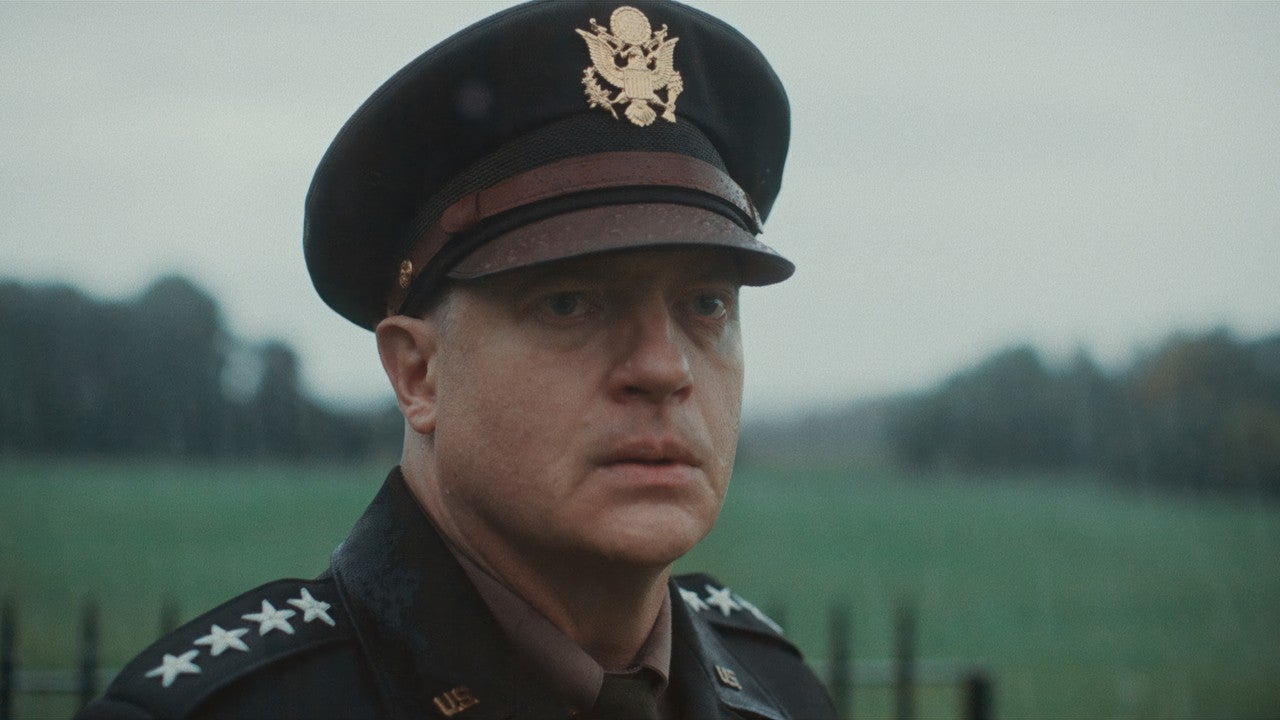
The story centers on General Dwight D. “Ike” Eisenhower (Brendan Fraser), Supreme Commander of the Allied Expeditionary Force, and Group Captain James Stagg (Andrew Scott), the meteorologist whose data threatens to derail the invasion. Stagg’s warning—massive storms could hit June 5, the officially planned date—forces Eisenhower to weigh the risk of delaying the assault against the peril of proceeding in bad weather. Fraser’s portrayal captures Eisenhower’s commanding presence while exposing his vulnerability and single‑minded drive.
- Eisenhower’s dilemma: delay for safety or risk surprise and survival.
- Stagg’s forecast: a stormy June 5 could spell disaster.
- The stakes: the fate of the war and the lives of thousands.
The Personal and Professional Bonds
The film deepens its drama through the relationship between Ike and Lt. Kay Summersby (Kerry Condon). Their bond, built on trust and frankness, showcases the human side of military leadership. Meanwhile, Stagg faces personal turmoil: his pregnant wife’s brief glimpse of his softer nature before he heads to Southwick House, the rural headquarters of Operation Overlord.
Clash of Forecasting Titans
Stagg’s rigorous, data‑driven approach clashes with Irving Krick (Chris Messina), Eisenhower’s American meteorologist who relies on statistical analogues. While Stagg predicts a bleak June 5, Krick insists on clear skies. This disagreement fuels tension among the commanders, especially General Bernard “Monty” Montgomery (Damian Lewis), who demands a unified recommendation. The film’s tension lies in the uncertainty that hangs over every decision.
The Human Cost of Decision
Eisenhower’s mind is haunted by the tragic loss of Exercise Tiger, a rehearsal that resulted in friendly‑fire casualties. Though he has never seen combat, the weight of command presses on him. The film never reveals the final outcome of D‑Day, focusing instead on the palpable uncertainty and the high‑stakes stakes that define the characters’ choices.
Key Themes
- Leadership under pressure: Eisenhower’s decisive yet faltering command.
- Scientific rigor vs. intuition: Stagg’s data‑centric forecast versus Krick’s analogues.
- Personal sacrifice: Stagg’s ticking‑clock crisis and Eisenhower’s haunted past.
Production and Performance
Pressure Review applauds the film’s meticulous attention to costuming and production design, which convincingly recreate the era’s atmosphere. Acting shines: Fraser’s nuanced Eisenhower and Scott’s compelling Stagg anchor the narrative. The climactic Normandy landings, though impressive, inevitably pale against the cinematic benchmark set by Saving Private Ryan. Still, the film remains a strong runner‑up, delivering a tense, high‑stakes thriller that keeps viewers on the edge of their seats.
Pressures of leadership, weather, and war converge to create a powerful depiction of one of history’s most pivotal moments.