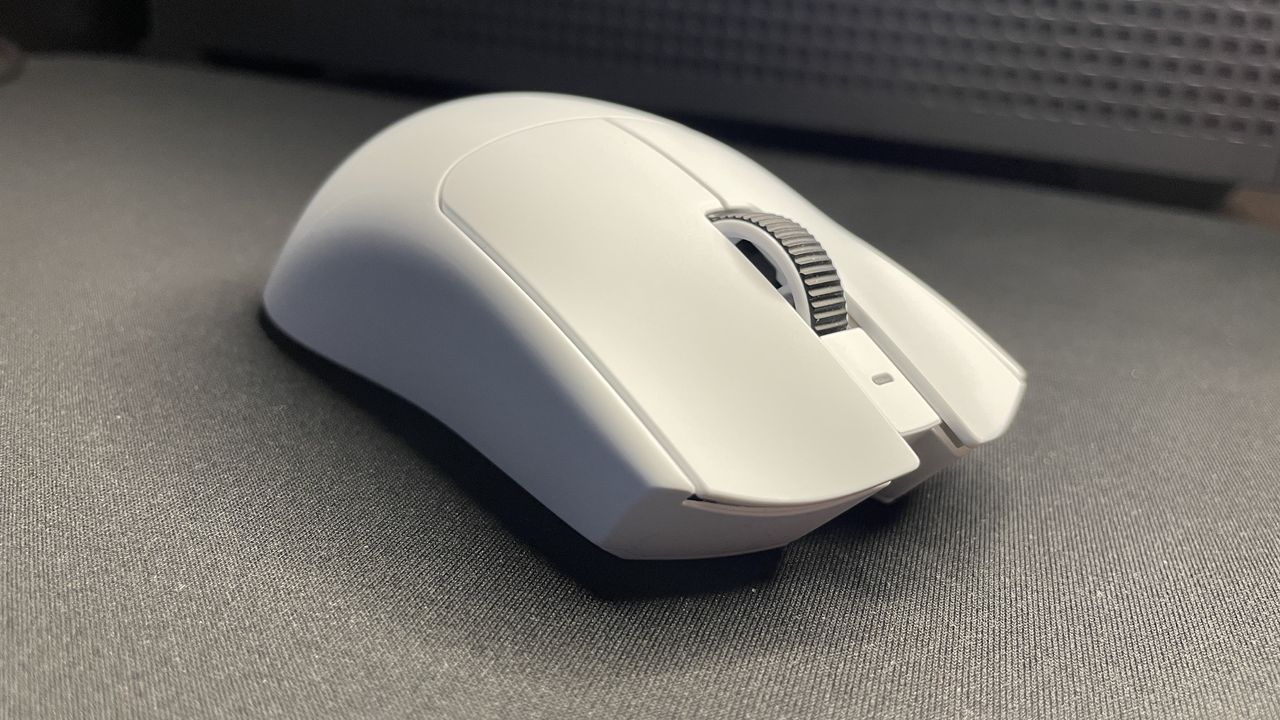
With the launch of the Viper V4 Pro and the accompanying Atlas Pro glass mouse pad, it seemed logical for enthusiasts to pair Razer’s latest flagship with its new glass surface. However, peripheral reviewer Spec0 recently encountered significant hurdles when attempting to use third-party skate replacements, facing both sensor compatibility issues and unexpected pushback from Razer’s support team.
The incident began when the reviewer’s Viper V4 Pro failed to function correctly across multiple glass pads. Upon contacting Razer for assistance, the response was immediate and unhelpful: the company refused to process a Return Merchandise Authorization (RMA) because the original feet had been replaced with dot skates.
The Warranty Dispute
The core of the conflict lies in how Razer interprets unauthorized modification. When Spec0 reached out regarding the sensor issues, the support team cited the limited warranty policy, which explicitly excludes coverage for:
- Misuse or abuse
- Negligence
- Unauthorized modification or repair
- Use outside of recommended guidelines
Razer argued that swapping the original feet constituted an "unauthorized modification," despite the fact that replacing skates is a superficial process that requires no unscrewing or internal tinkering. This stance left the reviewer with an unusable mouse and sparked outrage online, with many pointing out that skate swapping is a standard practice in the mousepad and peripheral community.
Resolution and Ongoing Issues
Following a direct call with Razer support, the situation was eventually resolved. The company agreed to replace the defective unit and stated it is "working to define their warranty terms better" while also investigating the underlying sensor issue with glass surfaces.
While the default skates on the Viper V4 Pro are generally well-regarded, many users prefer replacing large PTFE feet with smaller dot feet when using glass pads for several critical reasons:
- Reduced Friction: Dot feet minimize drag, offering a smoother glide on hard surfaces.
- Dust Management: They help prevent the mouse from scraping against dust particles that can accumulate on glass.
- Weight Reduction: Removing larger feet can shave a gram or two off the total weight, enhancing maneuverability.
However, this setup is not without its drawbacks. Dot feet are generally not advisable for cloth mousepads, as the small contact points can sink into the fabric, causing inconsistent tracking. On glass, this issue is non-existent, making them the preferred choice for many competitive gamers.
Hardware Design and Future Clarifications
A notable design choice in the Viper V4 Pro is the conspicuous lack of an access divot near the skates. Many gaming mice feature a small dip along the edge, allowing users to easily dig underneath and peel off old feet for replacement. The absence of this feature on the Viper makes the process more difficult and potentially riskier, leading some to wonder if Razer implicitly discourages any form of skate peeling.
It remains unclear how widespread the sensor issue with glass pads actually is. While Spec0’s unit was affected, quick tests on other glass pads have shown no immediate problems. Given that Razer developed the Atlas Pro simultaneously with the Viper V4 Pro, it is unlikely that a total incompatibility would have gone unnoticed in internal testing.
The key takeaway for users is the need for clearer warranty guidelines. If Razer intends to support the ecosystem it has built, clarifying that non-invasive modifications like skate replacement do not void the warranty is essential. I have reached out to Razer for an official comment regarding these warranty terms and the sensor issues, and will update this story with their response.