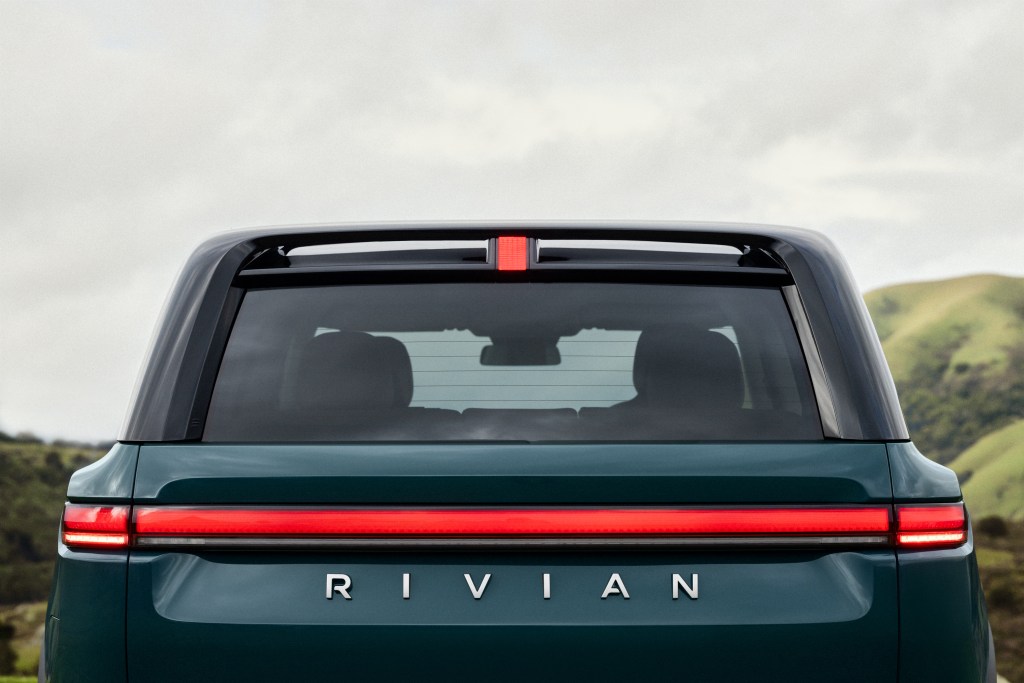
Rivian’s reputation is built on expensive, rugged vehicles like the R1T and R1S, yet its long-term survival depends entirely on a compact crossover that costs significantly less than half as much. The paradox lies in the fact that the automaker's future volume relies on shrinking its footprint to capture the mass market, proving that to win at scale, Rivian must abandon the exclusivity that defined its launch. Deliveries of this pivotal R2 model are scheduled to begin on June 9, marking a critical transition from niche manufacturer to mainstream competitor.
A Shift in Strategy for the Mass Market
The June 9 delivery date serves as the official kickoff for Rivian's second era. While earlier reports suggested late-year launches, this timeline accelerates the company's entry into high-volume sales. The R2 is designed to compete directly with the Tesla Model Y and Ford Mustang Mach-E, segmenting vehicles where brand loyalty is thinner and price sensitivity is higher. Rivian aims to deliver between 20,000 and 25,000 units this year, a modest starting point that prioritizes manufacturing ramp-up over aggressive global expansion. This measured approach allows the company to test assembly line efficiencies before scaling up for subsequent years. The shift from adventure-focused trucks to a compact family SUV demonstrates a pragmatic evolution in product planning.
R1 Loyalty Meets New Blood
Existing owners will not be left behind during the rollout. The current strategy dictates that R1 owners take priority for certain early perks, ensuring brand loyalty remains high while the new model hits the streets. Order invites are expected to go out in batches leading up to June 9, allowing Rivian to manage production bottlenecks more effectively than a simultaneous global launch would require. By staggering these invitations, the company can optimize supply chain logistics and maintain quality control during the initial assembly phase. This phased rollout ensures that early adopters of the R2 still feel valued within an ecosystem that is rapidly expanding. The distinction between legacy and new customers will be crucial for maintaining community engagement as the user base grows exponentially. Furthermore, the R2 Launch is built on a dedicated new EV platform, allowing for greater packaging efficiency than previous models. This structural shift enables Rivian to offer competitive pricing without relying solely on cost-cutting measures.
Spec Sheet Expectations and Launch Package
The standard R2 is positioned as an accessible entry point into the ecosystem, but the performance variants offer compelling upgrades. The Launch Package likely includes dual-motor all-wheel drive configurations capable of delivering swift acceleration while maintaining the brand's signature utility focus. Key features expected in this tier include:
- Upgraded suspension tuning for improved handling dynamics on paved roads
- Premium interior material upgrades across all seating rows to enhance cabin luxury
- Enhanced off-road software capabilities for rugged terrain exploration
Interior space has been maximized to compete with traditional SUVs, utilizing a modular design philosophy that Rivian pioneered in its larger vehicles. The compact footprint belies the internal volume, making it suitable for both urban commuting and weekend camping excursions. By sharing components with existing platforms, Rivian reduces manufacturing costs while retaining the rugged aesthetic that distinguishes its lineup.
The success of the R2 will define Rivian's trajectory for the next decade. If the company can hit production targets while maintaining healthy margins on a lower-priced vehicle, it will secure financial stability that has eluded many EV startups. June 9 marks more than just a delivery date; it is the moment Rivian proves it can compete on price without sacrificing its core identity. The coming months will reveal whether the R2 can generate enough volume to sustain the company's ambitious expansion plans.