A Gamer’s Confession: Why Roblox Needs Immediate Regulation
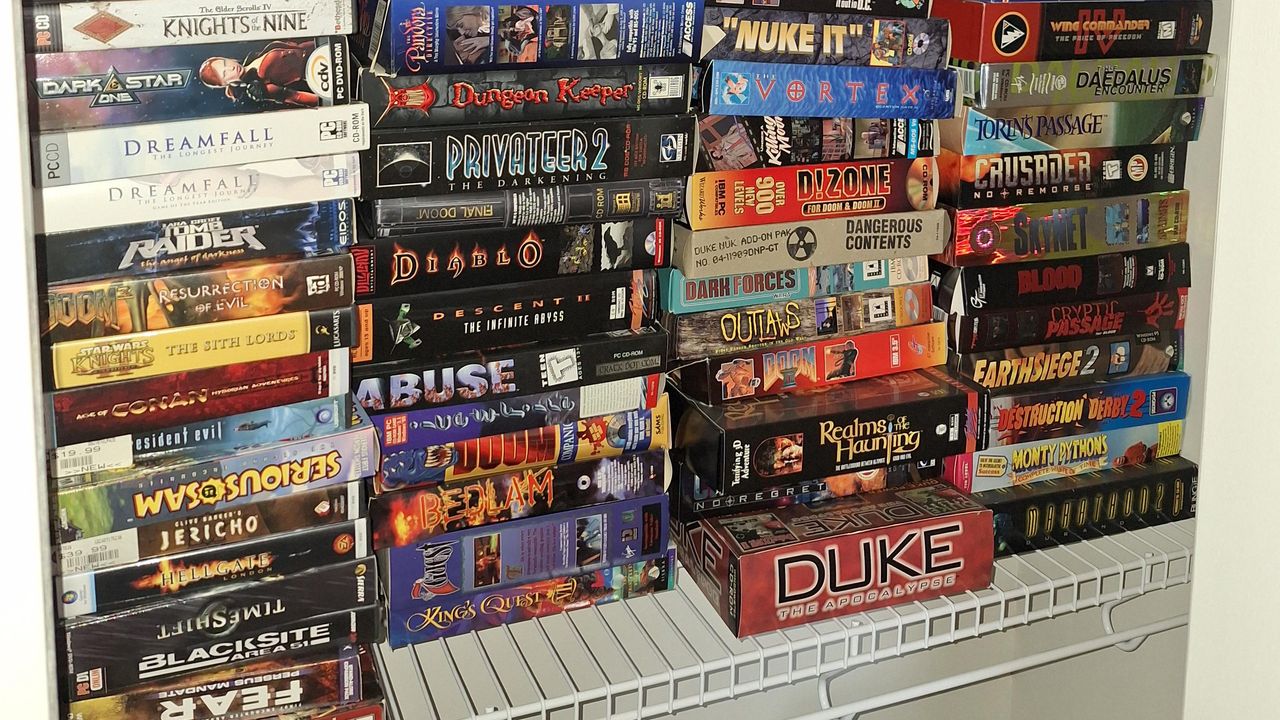
I am 44 years old, and my journey into the world of videogames began with my dad’s hand-me-down ZX Spectrum. While I can’t recall the very first title I played, the one that stuck was Horace Goes Skiing. That humble machine kicked off a hobby of a lifetime. My habits have evolved over the decades, but gaming has remained a constant joy. In my 20s, I became a games journalist, working for nearly every major outlet for the last 20 years and even writing a full history of the medium. I never tire of learning about the industry. Now, as a parent, I delight in watching my own children explore these virtual worlds.
But this background is my preamble to a serious warning: Roblox requires immediate legislative intervention.
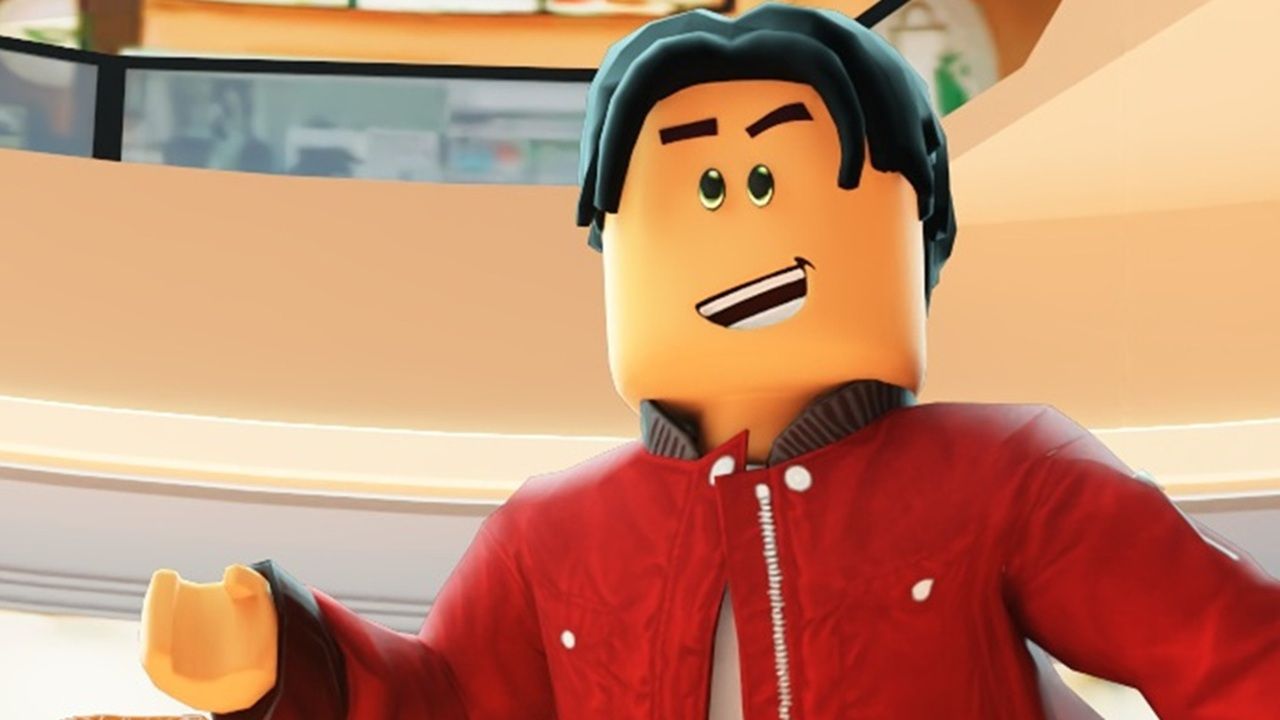
While I know an awful lot about videogames, recent experiences with Roblox have been alarming. Initially, I refused to let my son play it. But when I finally caved and installed it on my PlayStation, I couldn’t believe the predatory mechanics designed specifically to exploit users. If Nintendo represents the gold standard for delighting players, Roblox Corporation represents its inverse: a platform that specializes in exploiting and frustrating them.
The Trap of "Free-to-Play" Mechanics
My son is seven years old and had been happily playing Mario games and Minecraft on his Switch. However, months ago, he became obsessed with Roblox, specifically titles like Steal a Brainrot and 99 Nights in the Forest. He claimed every friend at school was playing, and he eagerly reported on the daily events within these games.
I initially resisted, noting that Roblox wasn’t on the Switch, but his persistence was relentless. When I finally downloaded the app, I maximized all safety features: disabling user communication, setting privacy to the maximum, and enabling all content filters. These measures, however, only addressed part of the problem.
I tried 99 Nights in the Forest myself. It is a horror game, and while the initial scares were genuine, my son already knew the lore from his peers. We played together, and while he was initially thrilled, the monetization strategy quickly became apparent.
- Deceptive Layering: The game uses multiple currencies (Robux, gems) to obscure real-world costs.
- False Urgency: Timers and "buy" buttons create artificial pressure to spend.
- Friction Removal: Temporary boosts are sold to remove natural game challenges, encouraging impulsive purchases.
When my son died in the game, a pop-up offered a "self-revive" for a significant amount of Robux. He had none. I explained that buying a one-off boost within a single match was a poor financial decision. He was annoyed, but I held firm, promising Robux only after he understood the game better.
Exploiting Childhood Psychology
The situation escalated when I gave my son his monthly pocket money. I agreed to buy him 1,000 Robux for his birthday. He immediately converted this into gems to buy a character class. However, the class he wanted wasn’t on sale; the shop rotates every 24 hours. I advised him to wait.
He didn’t. The moment my back was turned, he bought the Cyborg class instead of the Vampire class he actually wanted. He simply couldn’t wait. Shortly after, he wasted his remaining Robux on the self-revive mechanic I had explicitly told him to avoid. He is seven years old; he lacks the financial literacy to resist a game designed to do exactly that.
A recent study titled Misleading and Deceptive Monetisation in Roblox supports my experience. Professor Marcus Carter’s team conducted an experiment where children were given a $20 gift card. Almost all of them immediately converted it into Robux. The study identified deceptive tactics in 14 of the platform's top 15 games, including:
- "Near miss" visuals to make wins feel closer than they are.
- Countdown timers to manufacture false urgency.
- Predatory feedback loops that tie gameplay progress directly to spending.
A System Built on Predation
Professor Carter noted that "play is almost entirely the friction to make you spend money." The study found that nearly all children involved had been scammed, and most had also scammed another child. These scams typically involve fooling users into swapping rare items for common ones or falling for "gem-doubling" traps.
Carter’s critique is my own: Roblox is not accidentally predatory. It is intentionally designed to support toxic cultures and monetize them. The platform does not try to hide its exploitation of children. It builds a framework where financial manipulation is the core loop, not an exception.
As a journalist who has covered the medium for two decades, I am here to say that parts of Roblox need to be legislated out of existence. The current self-regulation is insufficient to protect a generation of children from a billion-dollar company that profits from their inability to say no.