Is there a word tech companies relish more than "democratize"? It sounds like marketing gold—everyone loves democracy, right? In our current era of mind-numbing AI, the term is doing more heavy lifting than ever, suggesting that any creative act requiring practice or expertise can now be instantly accessible to all.
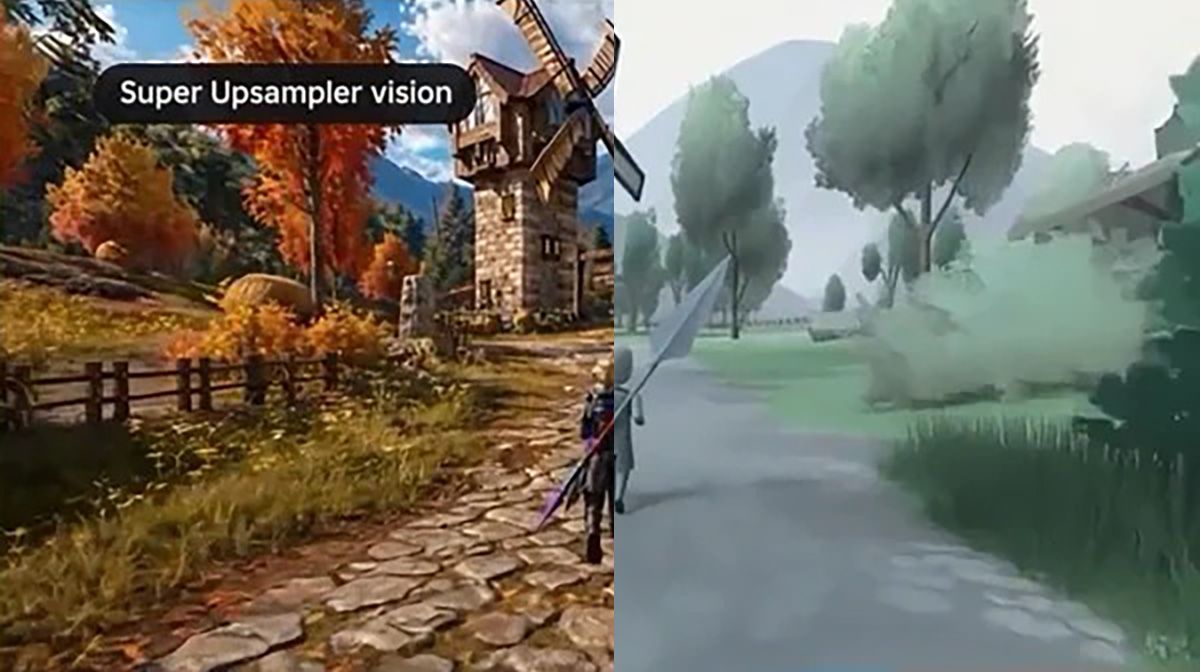
This is the core of a new pitch from Roblox today: Roblox Reality. The company claims this new AI platform aims at "Democratizing photorealistic, multiplayer gaming." However, looking closely at the tech, it feels as though Roblant is pulling a DLSS 5, offering yet another example of a tool mistaking itself for an artist.
The Illusion of the "Super Brush"
The general idea seems to be a "better" version of Google's recent "AI worlds" presentation, which produced videos that vaguely resembled games but lacked any grounding in actual design. Roblox intends to pair the photorealism of Video World Models with its underlying engine. The goal is to allow creators to replace basic, blocky graphics with hyperreal visuals.
In essence, Roblox creators will be able to slap an AI slop filter onto their games. While the company avoids using the word "AI" to explain the tech in some places, the intent is clear: Roblox is pulling a DLSS 5. Much like Nvidia's controversial upscaling algorithm that overwrote artist work to look "better," Roblox is no longer content just supplying the canvas and paintbrush.
From a technologist's perspective, it makes sense. You can only sell so many paintbrushes by making them easier to use; true hyper-scale comes from promising a Super Brush that does all the painting for you. AI boosters frame this as democratization to label any opposition as "gatekeeping," ignoring that art comes from passion and perseverance rather than unevenly distributed talent.
Why Realism is Not a Substitute for Design
The entire endeavor is predicated on the flawed idea that realism makes games better. As game designer and critic Austin Walker elegantly stated late last:: "Most of us did not choose to write or draw or design so that we could put products on the shelf... It’s like asking a pro pitcher to just let a machine pitch for them. Fuck off and give me the ball."
The creators of Roblox Reality have identified a real problem: making AAA-quality, detailed games is prohibitively expensive. However, technologists could tackle this without suggesting the computer should simply "make up" the graphics. True appeal comes from style, which almost always beats sheer detail.
Consider the impact on existing successful aesthetics:
- Grow a Garden: Will players enjoy it less if it loses its "plasticy Lego" charm for a prompt-engineered look?
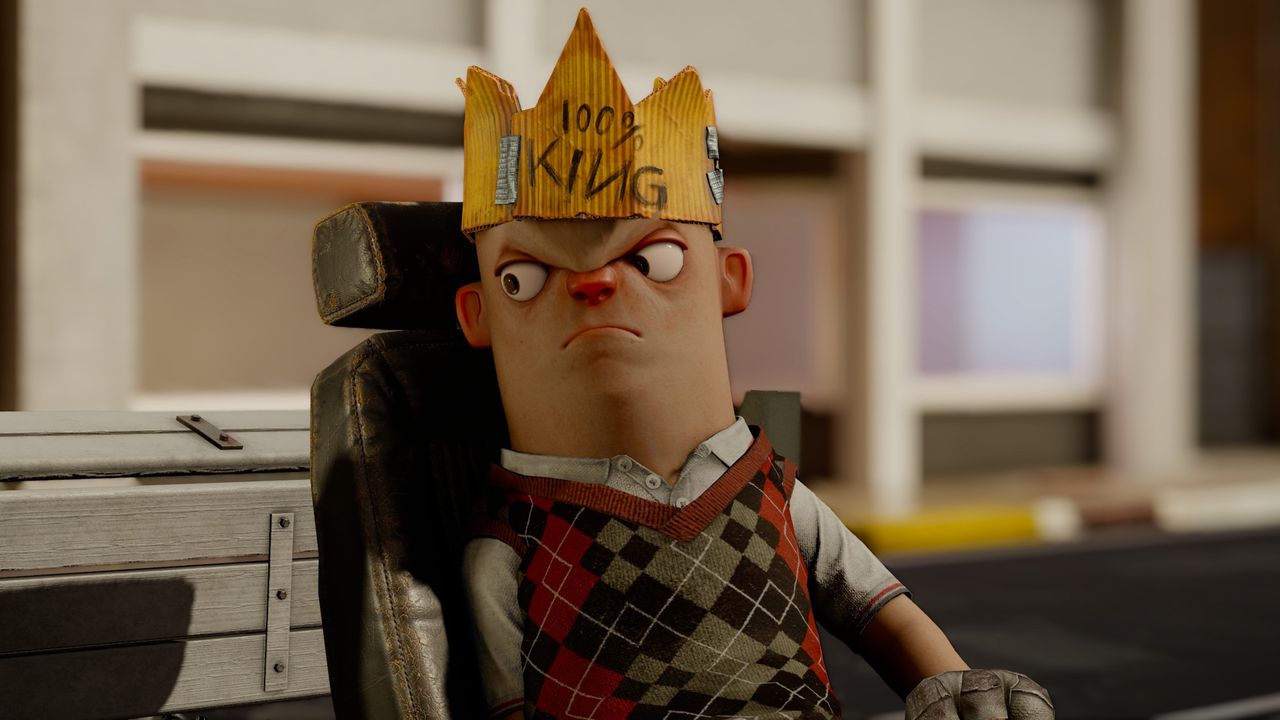
- The "Friendslop" Trend: Games like Peak, Repo, and RV There Yet? thrive on specific, intentional aesthetic choices.
- Visual Consistency: A game like Peak would fail if its blobby climbers looked like a low-quality AI generation of Nathan Drake.
The Technical Baggage of Automated Graphics
Roblox Reality promises several high-end features, but each comes with significant creative baggage:
- Breathtaking realism
- Secondary motion
- Natural dynamic environments
- Fluid physics
If the "fluid physics" change how a character feels to control, the gameplay loop breaks. If "breathtaking realism" is paired with 2D Mario sound effects, the immersion vanishes. Players can sense the artifice in "asset flip" style games where only the core systems are hand-designed while the skin is simply layered on top.
Even if Roblox Reality avoids looking like absolute nonsense—a longshot given the track record of Sora and other generative tools—the novelty of a photoreal makeover will fade. The visual overstimulation will eventually highlight the strength of human-made games, such as Over the Hill, which focuses on "minimalist serenity."
As critic Lora Kelley wrote for Mother Jones in 2022, "'Democratize' offers a synecdoche for an optimism that tech’s social goals and financial imperatives are aligned." In this case, the tool is simply trying to automate the soul out of the process.