These Robots Are Making Meals for a Nonprofit in San Francisco’s Tenderloin
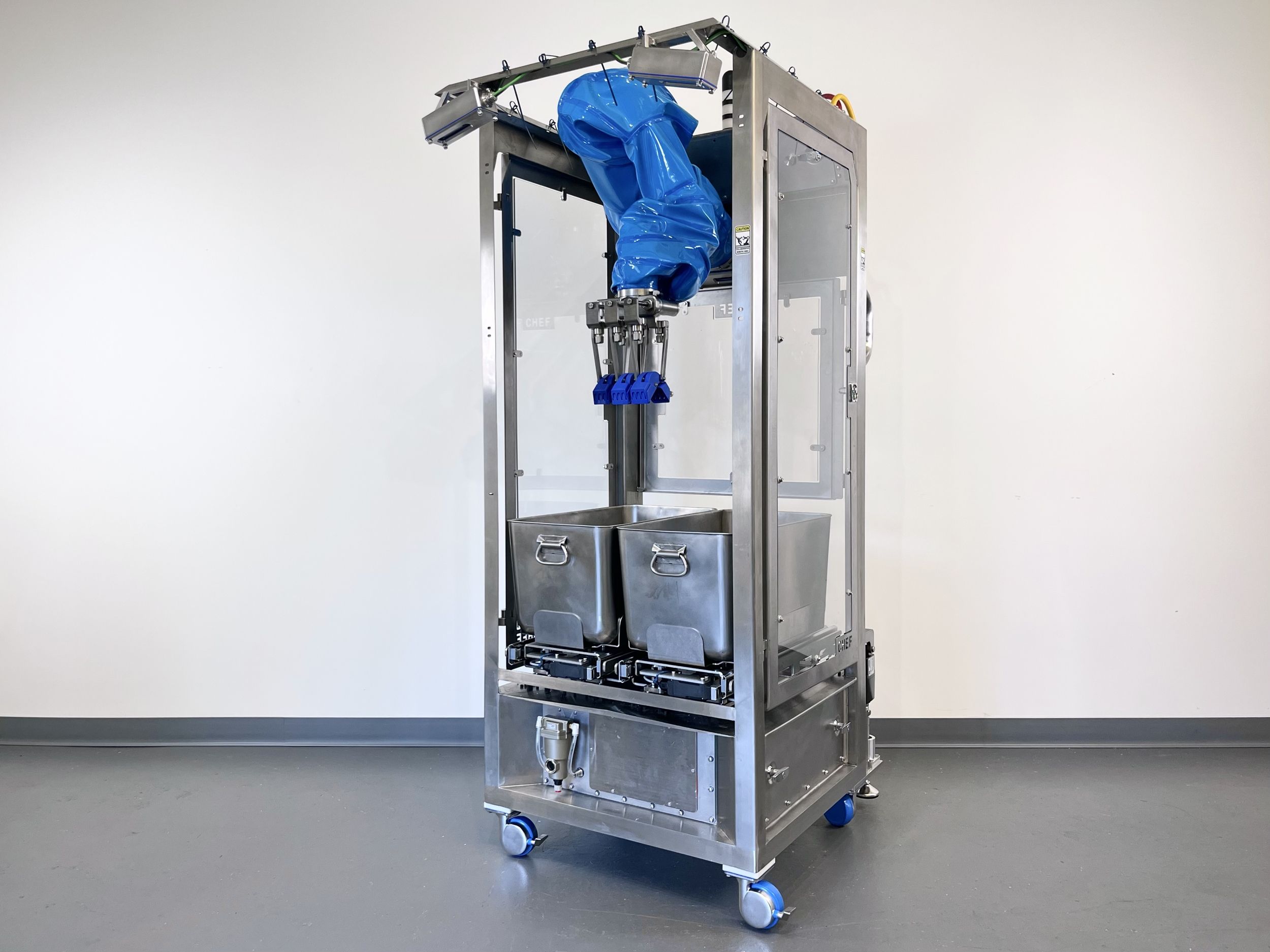
These robots are making meals for a nonprofit in San Francisco’s Tenderloin, and Chef Robotics’ robotic arms lift prepped meals onto trays in a kitchen where artificial intelligence has moved beyond simulation into physical kitchens. The service offers a pragmatic solution to labor shortages by handling assembly during peak hours without sacrificing quality.
Chef Robotics' Robotic Arms Scale Meal Assembly
The two‑armed units, programmed with precise motion paths, place each component of a medically tailored box onto a tray in seconds. AI‑enhanced logistics cover hardware and ongoing software updates through subscription fees, allowing Open Hand to run the line during busy periods while volunteers focus on cooking and packaging.
Precision Motion Paths and Subscription Fees
- Robotic arms execute defined paths for each meal component.
- Volunteers handle 500 meals per hour under supervision; robots add an extra 200 portions.
Nonprofit Scarcity Drives Tech Investment
When the volunteer pool thins, the robots step in, handling additional portions while staff maintain personal touch. This hybrid model proves scalable efficiency without erasing charm.
Volunteer Gap Remains Core Challenge
Yet technology merely redistributes effort; a custodian still wipes stray corn after each run. Food handling is messy regardless of automation. Volunteers appreciate speed but miss routine interaction, and community feedback is mixed: some see progress, others feel the loss of charm.
The robots are not an endgame; they are a bridge toward sustainable service. By proving that AI‑enhanced logistics can coexist with grassroots charity, Open Hand may attract more civic involvement and secure long‑term funding for its mission.