N64 Emulator RMG-K Adds Rollback Netcode to Library
For years, the quest for competitive integrity on retro hardware has been hampered by latency. Nintendo 64 emulator enthusiasts have long debated the trade-offs between emulated netplay and local multiplayer, especially for titles where twitch reactions dictate the outcome. While several emulators have offered netplay features, the experience often felt disjointed compared to playing side-by-side.
However, that landscape may be shifting for N64 titles. RMG-K, a popular fork of the RMG Nintendo 64 emulator, recently received a significant update that implements rollback netcode across its entire library. This development aims to bring the responsiveness of modern fighting games to classic N64 multiplayer.
How Rollback Netcode Transforms Retro Multiplayer
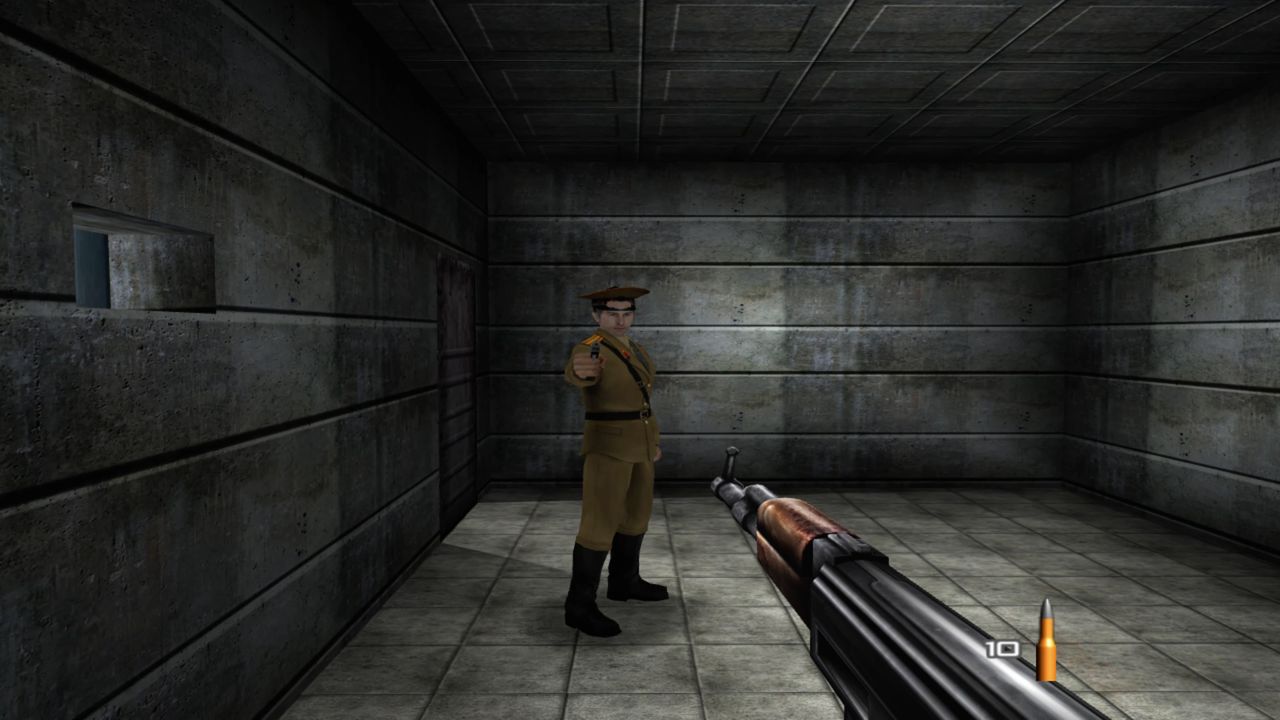
The update, which went live on May 14, allows for smoother online interactions, though it is currently limited to two-player sessions. The primary benefit is the dramatic reduction in input delay, making games like GoldenEye 007 and Super Smash Bros. feel more responsive even over long distances.
Bluesky user Grasluu00 demonstrated the improvement with footage of GoldenEye multiplayer, noting a stark contrast to previous experiences.
- Reduced Latency: Players managed to connect from Spain to Australia with only 4 frames of delay.
- Stability: Desyncs, a common issue in older netcode implementations, are now far more uncommon.
- Performance: Previously, the same connection required 9 frames of delay, significantly impacting gameplay precision.
This improvement stems from the implementation of rollback netcode, a technology that predicts input and corrects errors in real-time. Unlike traditional delay-based netcode, which waits for both parties to catch up before honoring button presses, rollback netcode makes immediate predictions about inputs. If a prediction is wrong, it corrects itself quickly, resulting in the degree of responsiveness that makes fast-paced multiplayer viable over rough internet connections.
The Role of AI in the Implementation
The technical backbone of this update is the GekkoNet framework, as shared by creator Heat on X. This same framework is currently being utilized in fan projects to port other classic titles, such as the PS2 version of Street Fighter 3: 3rd Strike, to PC.
Programmer NyxTheShield, who worked on the rollback feature for RMG-K, highlighted the efficiency of the process. On X, Nyx stated that GekkoNet "did most of the lifting" and that adding rollback was "honestly not that hard." Nyx also noted that the feature was implemented using Codex as an automation helper, a tool widely used in modern development workflows.
Footage posted by NyxTheShield shows Super Smash Bros. (Smash 64) in action, indicating that the netcode integration appears stable and functional for one of the system’s most beloved titles.
Developer Controversy and AI Usage
Despite the technical success, the update has sparked controversy within the emulation community. Rosalie241, the original creator of the RMG emulator, criticized the RMG-K fork on Reddit for its reliance on AI-assisted coding.
Rosalie241 expressed disappointment, calling the fork "insulting" and accusing the developers of taking the original code, applying "vibe coded changes with Claude," and adding a donation button to the project's README. While it is difficult to verify if this is the same Rosalie who created the original emulator given the age of the account, the sentiment reflects a broader tension in the coding community regarding the use of Large Language Models (LLMs).
Developers involved with RMG-K, including NyxTheShield and CigNus, have previously referenced their usage of AI tools on social media. Their approach mirrors that of many modern programmers who integrate AI as a standard part of their workspace to enhance productivity and solve complex problems efficiently.
What This Means for N64 Gaming
The implementation of rollback netcode in RMG-K represents a significant leap forward for online retro gaming. By leveraging modern frameworks and AI-assisted development, the RMG-K team has addressed one of the biggest barriers to playing classic N64 games online: latency.
While the current limitation to two-player sessions means players will need to wait for further updates to experience this in larger groups, the foundation is now in place. For fans of titles like GoldenEye and Super Smash Bros., this update promises a smoother, more competitive online experience that finally rivals the feel of local multiplayer.