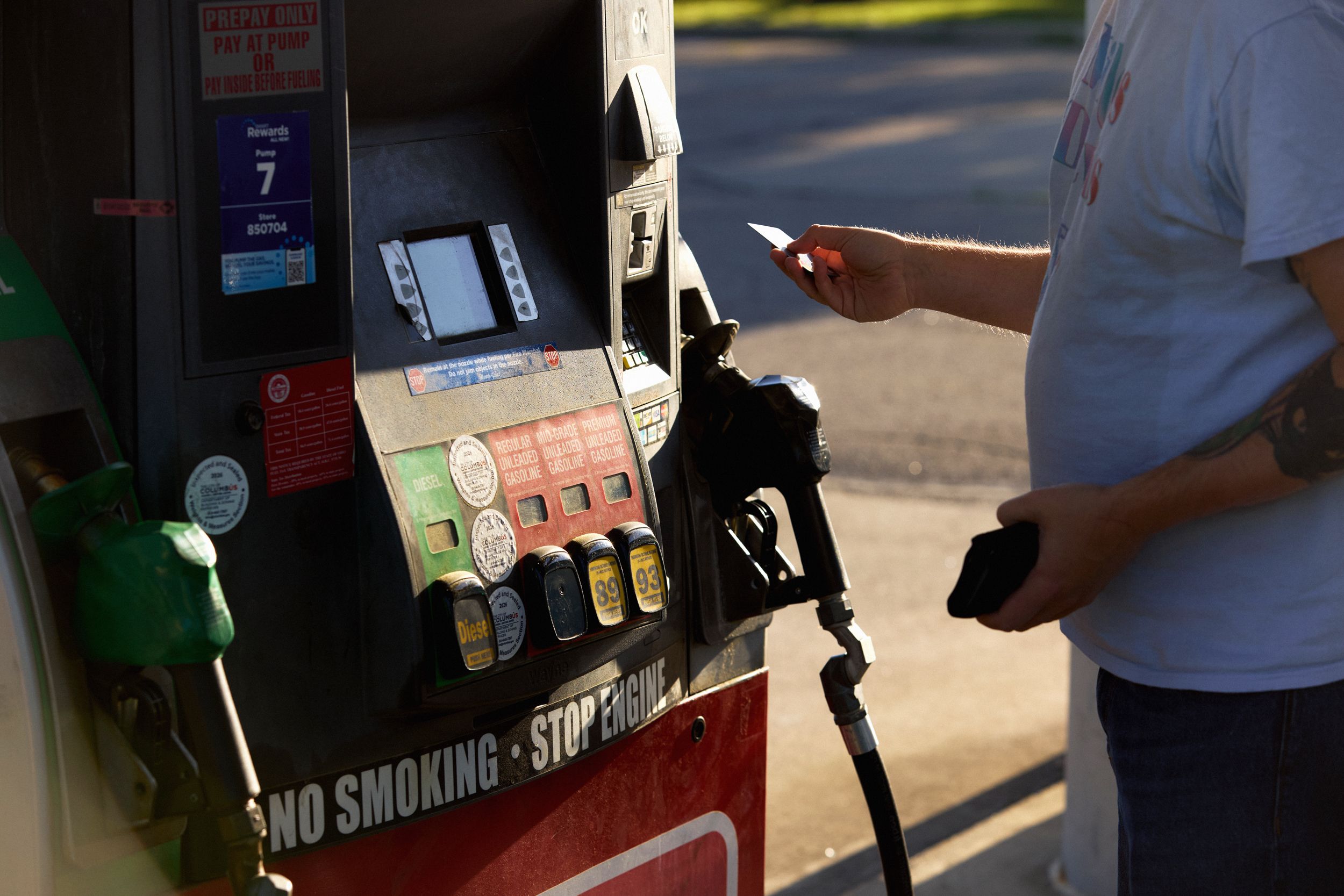
A federal gas tax holiday would deliver only marginal relief while jeopardizing critical transportation funding.
The notion of suspending the federal excise tax on gasoline—recently floated by President Trump and gaining traction in Congress—is a policy proposal that misjudges both market mechanics and fiscal realities. Even temporary relief would produce negligible price reductions at the pump, especially as global oil prices remain elevated and supply chain disruptions persist. The tax itself accounts for just a fraction of total pump costs, meaning consumers see limited benefit despite political promises to the contrary.
Why a Tax Holiday Falls Short
- Limited pass-through: Retailers often absorb tax changes or reinvest savings into margins rather than passing them directly to consumers.
- Reflective cost structure: Gasoline prices are driven primarily by crude oil, refining margins, distribution, and local taxes; federal excise taxes represent roughly 18 cents per gallon, a small slice of the total.
- Timing mismatch: By the time the policy takes effect, seasonal demand surges can negate any intended savings before consumers even notice.
Fiscal Consequences for Infrastructure
The Highway Trust Fund relies heavily on the very tax in question; suspending it would accelerate deterioration of roads, bridges, and transit systems already under strain. Nearly 40% of U.S. highways are classified as needing repair, according to recent surveys, and reduced revenues could worsen delays in essential upgrades. Without sustained funding, both commuter networks and freight corridors face increasing congestion and safety risks.
Geopolitical Context Amplifies Risk
The Strait of Hormuz remains a volatile chokepoint, with ongoing conflict between the U.S. and Iran threatening supply continuity. While prices have eased from peaks seen earlier this spring, oil remains sensitive to geopolitical shocks, meaning sudden spikes could offset any short-term savings from tax adjustments. Moreover, global markets adjust slowly; even if Iranian tensions ease tomorrow, tanker schedules and production ramp-ups typically take weeks or months to influence pump prices.
Broader Economic Implications
High fuel costs ripple through the economy via inflation in transportation, logistics, and consumer goods. Public Citizen notes that modest tax relief does not meaningfully curb broader price pressures, while federal shortfalls jeopardize infrastructure resilience. In a climate of tight budgets and rising demand for reliable transit, policymakers should prioritize stable funding mechanisms over symbolic gestures.
Conclusion
A federal gas tax holiday would deliver little to consumers yet pose significant risks to public works and long-term economic stability. Rather than suspending taxes, targeted investments in refining capacity, alternative fuels, and resilient infrastructure offer more durable pathways to affordable energy. Decision-makers should weigh fiscal prudence against populist incentives if they hope to balance budgets and keep roads safe for years to come.