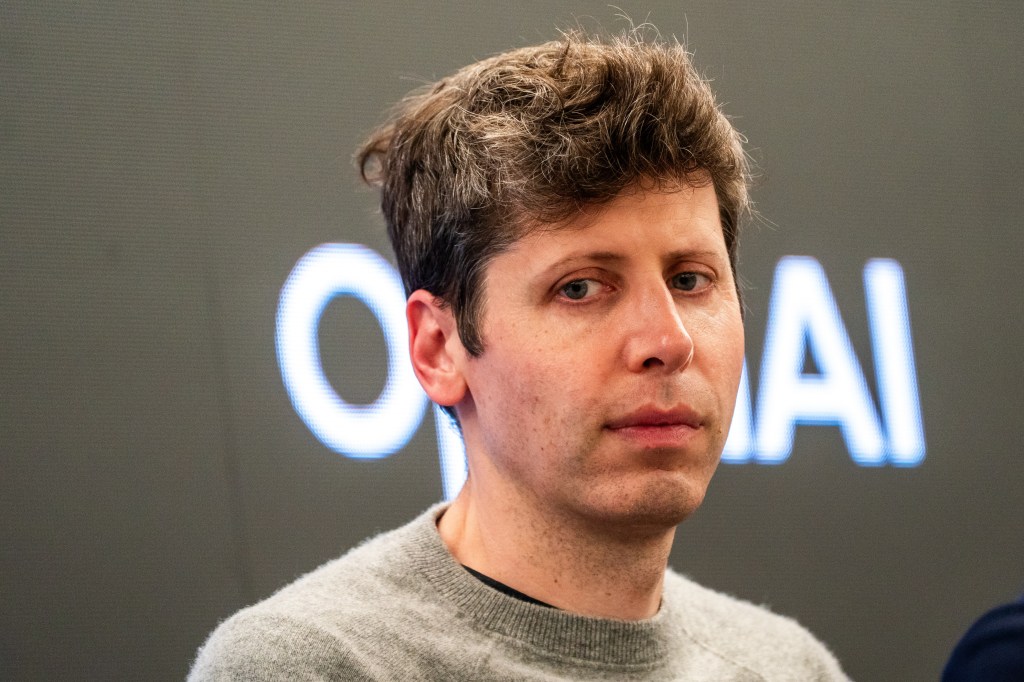
A sudden burst of flame against a quiet San Francisco residence serves as a violent punctuation mark to a week of escalating tension within the artificial intelligence sector. Following a period of intense media scrutiny, Sam Altman responds to ‘incendiary’ New Yorker article after a Molotov cocktail was thrown at his home. This incident marks a chilling transition from digital discourse to physical volatility for the OpenAI CEO.
The Weight of Investigative Scrutiny
The investigative report in The New Yorker, penned by Pulitzer Prize-winning journalist Ronan Farrow and technology reporter Andrew Marantz, presented a portrait of Altman that moved far beyond a typical Silicon Valley profile. Through interviews with over 100 sources, the piece characterized Altman as possessing a "relentless will to power" that distinguishes him even among the industry's most ambitious figures.
The reporting did not shy away from much darker allegations. These included claims from anonymous board members regarding a fundamental lack of trustworthiness. The psychological impact of such high-stakes journalism cannot be overstated in an era where digital narratives often translate into real-world action.
One source even described a "sociopathic lack of concern" for the consequences of deception. While police have focused on the arrest of a suspect at OpenAI headquarters who threatened to burn down the company's building, the connection between the profile and the physical attack remains a point of intense concern as Sam Altman responds to ‘incendiary’ New Yorker article coverage.
How Sam Altman Responds to ‘incendiary’ New Yorker Article
In a rare moment of public vulnerability, Altman addressed both the physical threat and the criticisms leveled against him in a late-night blog post. He did not attempt to dismiss the New Yorker piece as mere sensationalism; instead, he admitted to underestimating the "power of words and narratives."
The response revealed a leader grappling with the fallout of his own past decisions, specifically referencing his handling of the 2023 board crisis that briefly ousted him from his position. Altman’s reflections touched on several critical themes regarding the current state of AGI (Artificial General Intelligence) development:
- The danger of conflict-aversion: Altman admitted that his tendency to avoid direct confrontation has caused significant "pain" for both himself and OpenAI.
- Acknowledging human error: He characterized himself as a "flawed person" operating within an exceptionally complex, high-stakes environment.
- The 'Ring of Power' dynamic: He used a literary metaphor to describe the intense, almost obsessive competition currently defining the race toward AGI.
- A call for de-escalation: He urged a reduction in both rhetorical and physical violence, hoping to move away from a "totalizing philosophy" of unilateral control.
The Path Toward Shared Innovation
The central tension of the current AI era appears to be the struggle between centralized power and distributed progress. Altman’s proposed solution involves a shift toward sharing technology broadly, ensuring that no single entity or individual holds the metaphorical "ring" of control over AGI.
This vision seeks to mitigate the very "Shakespearean drama" that has recently led to threats against his life and property. As the industry watches how Sam Altman responds to ‘incendiary’ New Yorker article claims, the focus remains on whether the sector can de-escalate its rhetoric before the "explosions" move from the metaphorical to the literal once again.
As the dust settles on this period of intense volatility, the industry faces a profound challenge in maintaining civil discourse. The intersection of investigative journalism, corporate power struggles, and physical security creates a precarious landscape for tech leadership. Moving forward, the ability of companies like OpenAI to navigate public scrutiny without descending into chaos will likely determine the stability of the entire artificial intelligence movement.