The legacy of Housemarque is built on a foundation of claustrophobic intensity and first-person precision. Yet, Saros represents a deliberate subversion of that identity. Instead of returning to the tight corridors of the past, the studio is expanding its reach into the wide, terrifying landscape of Carcosa. This shift from an intimate perspective to a third-person shooter format marks a significant departure for the developer known for refining the roguelike genre. The studio is trading the frantic energy of pure arcade shooters for a more deliberate, narrative-driven exploration of a mysterious, eclipse-shrouded world.
A New Perspective on the Roguelike Loop
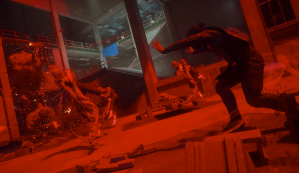
The most immediate contrast between Saros and Housemarque’s award-winning predecessor, Returnal, is the camera angle. By adopting a third-person perspective, the studio allows players to see the protagonist, Arjun Devraj, in his full tactical capacity. This is not merely a cosmetic change; it fundamentally alters the flow of combat. Players must manage a wider field of view, reacting to threats that loom large in the distance rather than just the immediate surroundings.
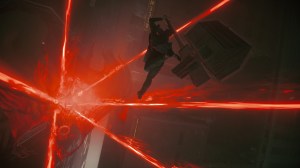
Central to this new combat loop is the Soltari Shield, a defensive tool that allows Arjun to block incoming attacks and absorb their energy. This mechanic bridges the gap between shooter and action game. The absorbed energy transforms Arjun’s right arm into Carcosan Power Weapons, allowing him to discharge massive amounts of force against hostile targets. This system requires players to balance aggression with defense, a dynamic that differs from the purely reactive survival gameplay of previous titles.
Furthermore, Saros introduces permanent progression systems that stand in stark contrast to the "everything resets" philosophy of the roguelite genre. While players will still face a changed world after every death, the ability to permanently upgrade the loadout with new weapons and suit enhancements suggests a more rewarding power fantasy. This evolution in design aims to keep the stakes high while ensuring that player effort translates into tangible, lasting strength.
The Mystery of Carcosa
Beyond the mechanics, Saros promises a deeper immersion into a haunting narrative. The game is set on the planet Carcosa, a location defined by a perpetual solar eclipse that constantly reshapes the landscape. Arjun Devraj, a powerful Soltari Enforcer, leads a team of colonists into this dangerous territory, only to find the colony lost and the environment hostile.
The game places a heavy emphasis on environmental storytelling. As players explore the planet, they will encounter Soltari Holograms, collectible artifacts that uncover the backstory of the colony and the events that led to its demise. The narrative is supported by a stellar cast, with Rahul Kohli (Midnight Mass) voicing Arjun Devraj. His performance aims to bring weight to Arjun’s journey, framing the game not just as a shooter, but as an emotional character study exploring the cost of creating a new future.
The atmosphere is further enriched by the use of Unreal Engine 5, which allows for a high-fidelity rendering of the alien world. The visuals are designed to be both beautiful and terrifying, capturing the "ominous" nature of the eclipse that dominates the sky.
What to Expect on Release
As the launch date approaches, the anticipation for Saros has grown significantly. The game is scheduled to release on April 30, 2026, having been delayed from an initial March 20 target to ensure a polished experience.
- Release Date: April 30, 2026.
- Platform: PlayStation 5 exclusive.
- Performance: Targets 4K resolution at 60 FPS on the base PS5.
- Developer: Housemarque.
The delay suggests a commitment to quality, ensuring the complex mechanics of the Soltari Shield and the intricate level design of Carcosa are fully realized. For fans of the studio, this title represents a bold step into new territory, proving that Housemarque is willing to evolve even after the massive success of Returnal.
Verdict
Saros stands as one of the most intriguing upcoming titles for the PlayStation 5. By merging the tight, responsive combat Housemarque is famous for with a third-person perspective and a rich, mysterious narrative, the studio is crafting something distinct. The shift to Unreal Engine 5 and the introduction of permanent progression mark a new era for the developer. When the eclipse of Carcosa finally fades for players on April 30, 2026, it will be clear whether this new direction will define the next generation of action-shooters.