Sega Pulls the Plug on Ambitious 'Super Game' as Live Service Boom Busts
Sega has officially canceled its highly anticipated live service title, the "Super Game," citing intensifying market competition as the primary driver behind the decision. This move marks a significant pivot for the Japanese publisher, signaling a retreat from its previous five-year strategy of prioritizing free-to-play (F2P) titles in favor of traditional, upfront-purchase "Full Game" development.
The announcement is more than just the cancellation of a single project; it represents a broader strategic correction within an industry that has grown dangerously over-reliant on the live service model. With approximately 100 developers already being transferred from F2P teams to work on conventional games, Sega is doubling down on the formula that built its legacy: high-quality, paid experiences.
A Strategic Retreat from Free-to-Play
The cancellation of the Super Game is not an isolated incident but part of a wider industry reckoning. In 2021, Sega’s annual report touted the creation of a "Super Game" as a central pillar of its priority strategy, aiming to launch a title with global appeal by March 2026. Now, that timeline has been scrapped, and the company is explicitly lowering the priority of F2P in its future roadmaps.
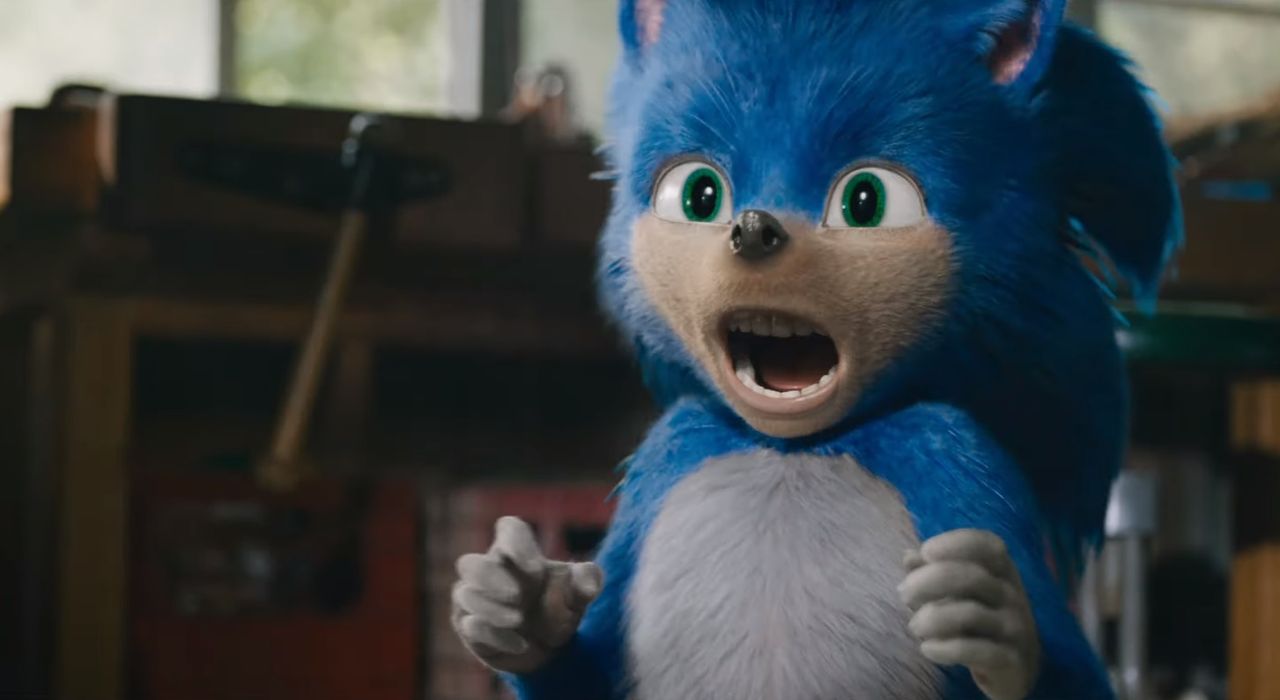
While Sega pointed to the disappointing performance of Sonic Rumble Party as one factor, the decision likely stems from a broader realization about the viability of expensive live service titles. The risks of betting hundreds of millions on games that require sustained engagement are becoming impossible to ignore.
The industry has seen a relentless string of high-profile failures in recent years:
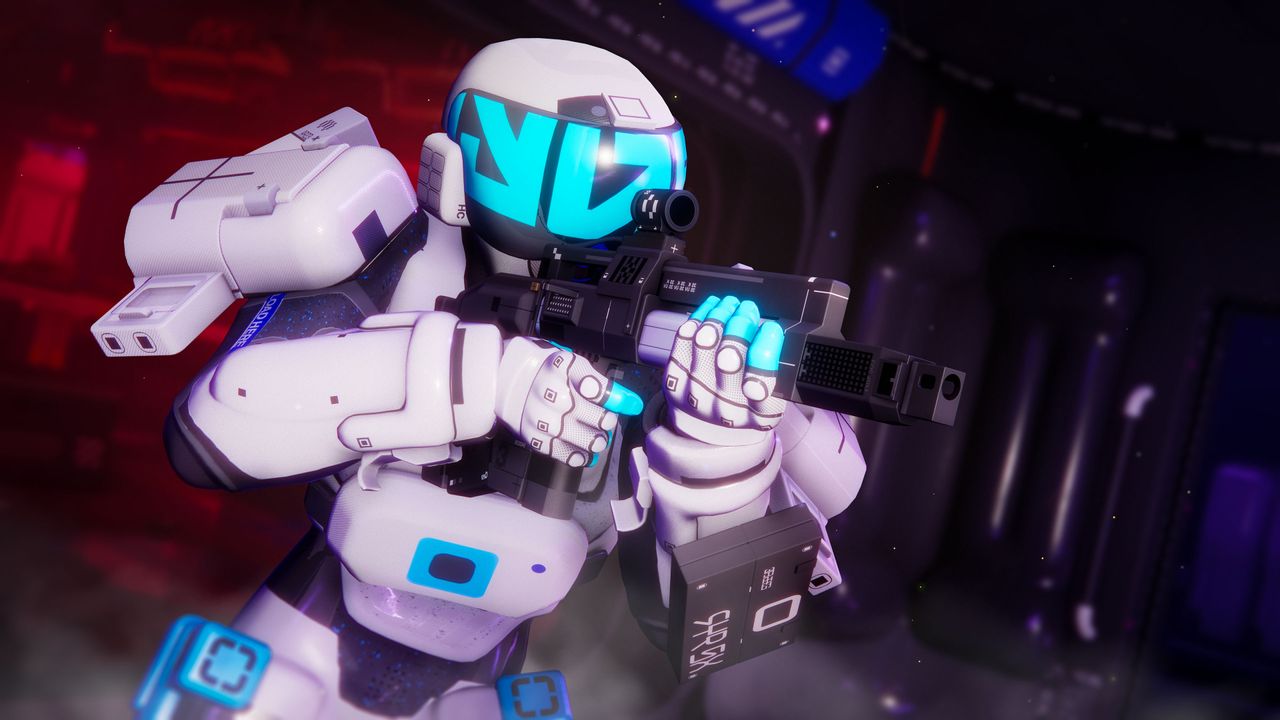
- Concord, Highguard, and Spectre Divide were all shut down, with their development studios subsequently closed.
- 2K’s Project Ethos was sent back to the drawing board almost immediately after debut.
- Ubisoft’s Project Q was canceled with little public warning.
- Sony announced plans for 12 live service games in 2022, only to cancel seven of them.
- Microsoft canceled a highly praised Blizzard survival MMO and another upcoming title reportedly loved by boss Phil Spencer.
The sheer volume of canceled projects in 2023 and beyond has led to a palpable fatigue. A 2025 "state of the industry" survey revealed that one out of three triple-A developers is now working on a live service game. This saturation creates a dangerous environment where new titles must compete not only with each other but with entrenched giants.
The Impossibility of Chasing the Long Tail
The challenge for any new live service entrant is not just acquisition, but retention. The market is dominated by titles that have been refining their ecosystems for decades:
- World of Warcraft is 22 years old.
- League of Legends is 17 years old.
- Minecraft is 15 years old.
- Grand Theft Auto V is 13 years old.
- Fortnite and Destiny 2 are nine years old.
- Apex Legends is eight years old.
Millions of players remain deeply entrenched in these ecosystems, while others migrate between free experiences on platforms like Roblox. For Sega, the question becomes how many players would stick around for a new, unknown live service title, let alone spend money on it, when so many established options already exist.
For every Helldivers or Arc Raiders that finds massive success, there is a procession of games that fail to gain traction. The cost of failure is no longer just a lost product; it is often the loss of a studio. The live service model has turned game development into a high-stakes casino, where five years and $200 million can vanish with a single bet.
A Return to Conventional Wisdom
In a statement to Game File, a Sega spokesperson explained the rationale: "Given the ambitious nature of the project, we adopted a long-term R&D phase for technical validation and related activities... However, in light of intensifying market competition, the emergence of competing titles based on similar concepts, and our business conditions, we made the decision to discontinue the development of Super Game during the fiscal year ending March 2026."
This cancellation should be viewed as a positive sign for the industry’s health. Unlike previous major shutdowns that resulted in mass layoffs or the complete closure of studios, Sega’s pivot retains its talented workforce. By recommitting these developers to "Full Game" development, Sega is returning to what it does best: creating polished, complete experiences for series like Sonic, Crazy Taxi, and Jet Set Radio.
The broader industry is seeing similar shifts. Former Sony boss Jim Ryan, who spearheaded the company’s live service ambitions, left in 2024. Capcom continues to post record profits driven by single-player titles that players are willing to buy outright. Other major publishers, including NetEase, are pulling back on funding gargantuan MMO projects.
None of this suggests the industry has abandoned live service entirely. CEOs of multi-billion dollar companies will always pursue big bets with the potential for obscene returns. However, the era of treating live service as a mandatory strategy for every major release is ending.
The cancellation of Sega’s Super Game is a rare moment of clarity in a market obsessed with scale. It suggests that the industry is finally correcting itself, prioritizing sustainable development over the illusion of infinite engagement. If publishers spend less time chasing the one-in-a-million hit and more time making good games, the future of gaming looks considerably brighter.