The Retail SSD Market Is Dying, Says Silicon Motion
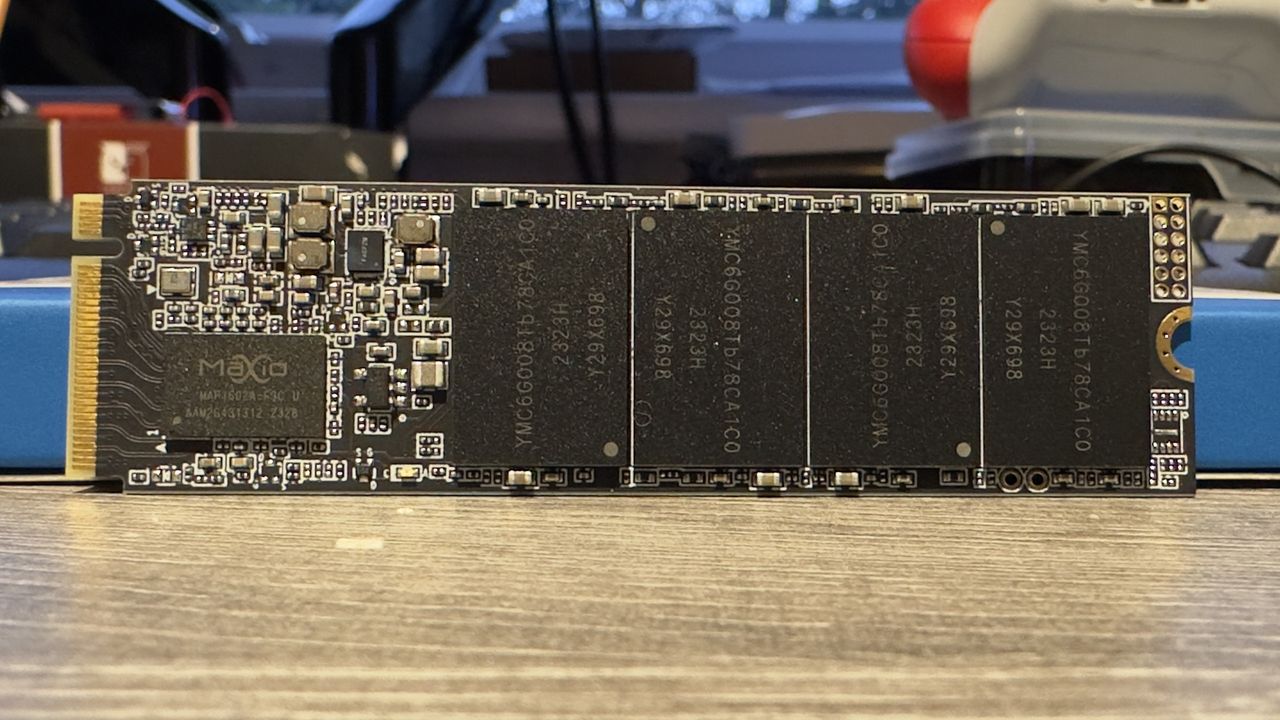
Silicon Motion, a key player in the SSD controller market, has revealed that the retail SSD market is all but disappearing. In a recent statement, VP Nelson Duann told Tom's Hardware that the controllers they sell to module makers are increasingly ending up in SSDs that are shipped directly to PC OEMs. This shift is driven by a surge in demand for AI servers and a growing shortage of NAND memory.
Duann explained that OEMs—such as Dell and HP—used to source NAND directly from memory manufacturers and assemble SSDs themselves. However, with NAND supplies becoming increasingly scarce and expensive, OEMs are now turning to module makers like Samsung and SanDisk to procure ready-made SSDs. This change has significantly reduced the availability of retail SSDs, the kind that gamers and consumers typically purchase off the shelf.
A Shift in Demand and Supply
The shift from retail to OEM-focused SSD production has been happening since late last year and has only accelerated this year. While the exact inventory levels and supply chain dynamics aren't visible to the average consumer, the effects are clear: retail SSDs are becoming harder to find, and when they are available, they come at a premium.
NAND manufacturers, on the other hand, are in a much stronger position. They’re selling memory to SSD companies at higher prices and often with long-term contracts. This trend is making it more difficult for end-users to get their hands on affordable storage solutions, especially for gaming PCs and high-performance computing setups.
For consumers, the situation is bleak. Prices for both RAM and SSDs have been rising steadily, and shortages are becoming more frequent. This isn't just a problem for one company or product—it's a systemic issue that affects the entire market. As NAND demand continues to be driven by AI and data center needs, the retail market for consumer-grade SSDs is expected to shrink further.
What This Means for Gamers and Consumers
Gamers and PC enthusiasts who rely on high-performance storage for their builds are facing a tough reality. The SSDs that were once readily available at retail stores are now being reserved for OEMs and large-scale data center operations. This shift has made it increasingly difficult for consumers to find competitive pricing and reliable supply.
In a recent statement, RAM and SSD manufacturer Team Group advised customers to purchase memory and storage as soon as possible. While this might seem like a marketing ploy, it aligns with the broader industry trend. With both RAM and SSD markets experiencing shortages and rising prices, the advice to act quickly is more than just a sales tactic—it's a reflection of the current market conditions.
As the demand for NAND continues to shift toward AI and enterprise applications, the retail SSD market may not recover anytime soon. This means that for now, consumers will have to navigate a more challenging landscape when it comes to upgrading their storage.