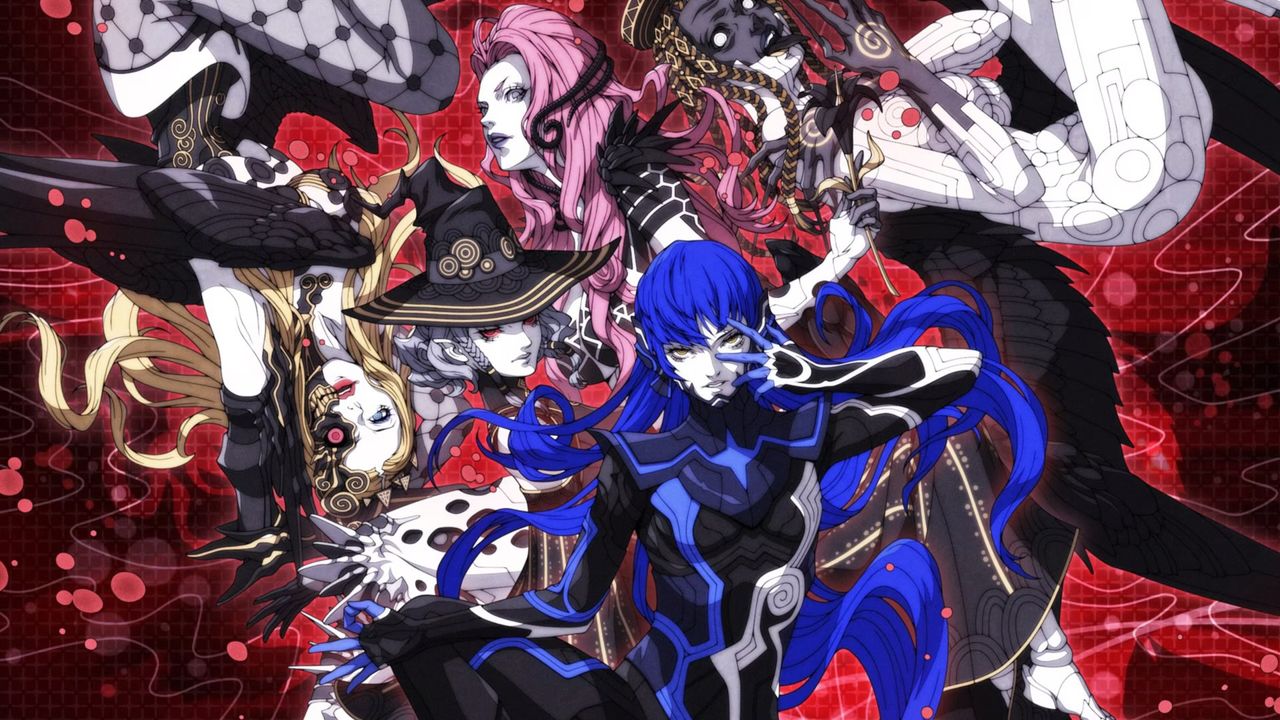
Years ago, a British Doom reviewer famously lamented the fact that players couldn't talk to the monsters in the legendary FPS. While most gamers were content just tearing through demons, that desire for deeper interaction was already present in early RPGs like 1987's Digital Devil Story: Megami Tensei. That title allowed players to persuade monsters to lay down their arms and join your party—a concept that would become a cornerstone of the franchise.
The evolution of this negotiation system is actually rooted in a moment of tabletop frustration. In a recent conversation with Encount, former Atlus developer Kazunari Suzuki revealed that one of the series' most iconic mechanics was born from a disagreement with a Dungeon Master.
The D&D Inspiration Behind Shin Megami Tensei
Suzuki’s dissatisfaction stemmed from the rigid logic applied during his early sessions with Dungeons & Dragons. He felt that the lack of diplomatic options broke the immersion of fantasy storytelling.
"It never made sense to me why you can’t speak to the goblins," Suzuki explained. "Goblins are also sentient creatures, right? They have a language, and form societies. But if you run into them inside of a dungeon, there is no room for negotiation—you have no option but to kill them. I really hated that."
Despite his arguments, his DM refused to deviate from the established text. Suzuki attempted to convince his group to allow diplomatic encounters, but the response was blunt: "It’s not in the rules so you can’t do it."
Spite as a Catalyst for Innovation
Rather than accepting the limitation, Suzuki decided to create something better. This desire to bypass rigid tabletop rules directly influenced the development of the Shin Megami Tensei series.
- Sentient Enemies: Monsters are treated as thinking beings with their own agendas.
- Diplomatic Options: Players can use persuasion or bribery to recruit foes.
- Tactical Variety: Negotiation offers an alternative to pure combat.
It turns out that spite can be a powerful driver for game design. Without that inflexible D&D Dungeon Master, we might never have experienced the complex social dynamics of recruiting demons in Shin Megami Tensei. While modern titles like Metaphor: ReFantazio opt for more traditional combat-heavy approaches—often resulting in players slaughtering entire villages of goblins—the legacy of Suzuki's frustration remains a vital part of RPG history.