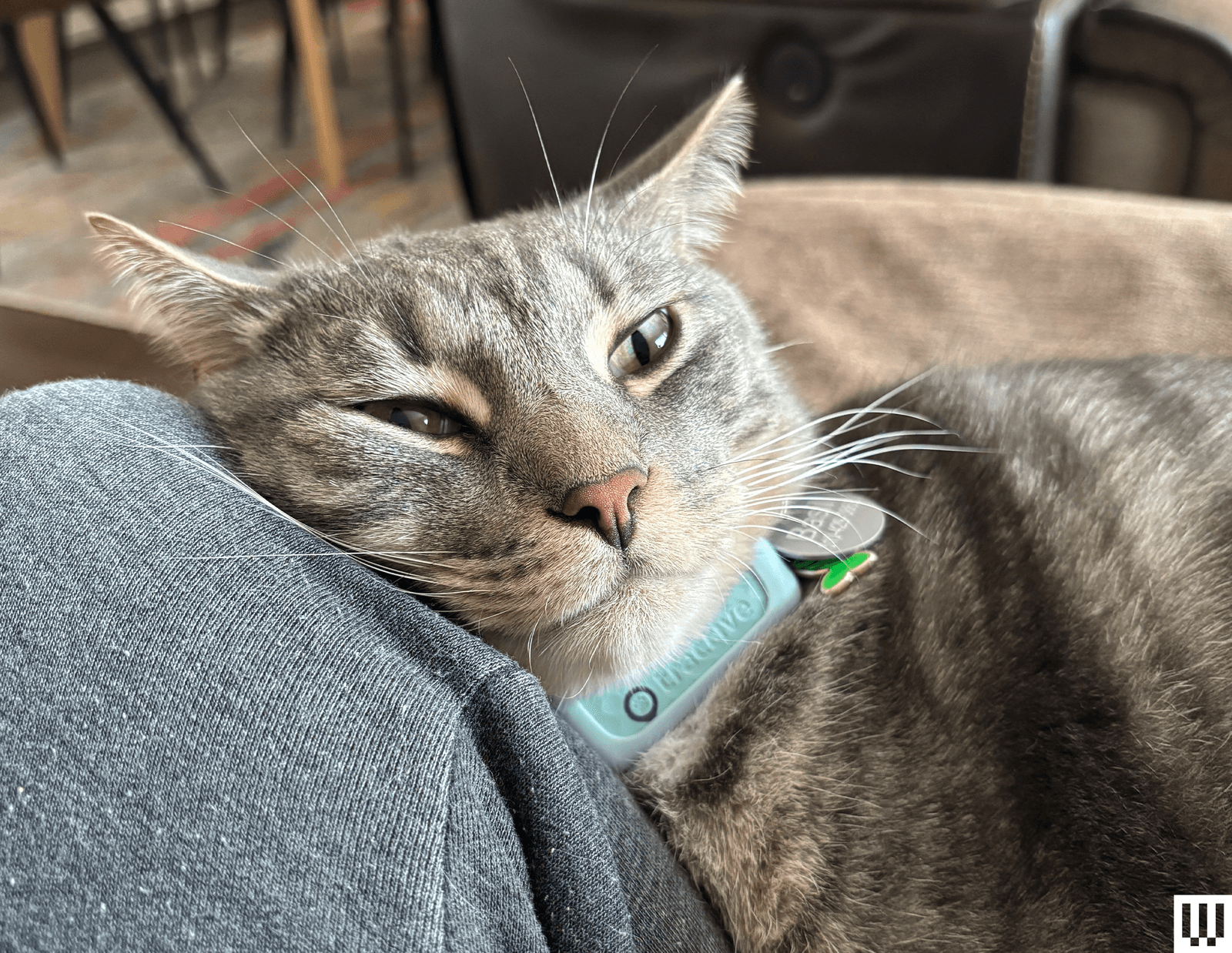
While an Apple AirTag provides excellent proximity-based tracking, it lacks the cellular-independent GPS capabilities necessary to monitor a roaming cat across large distances or through dense vegetation. As pet ownership evolves alongside wearable technology, the market for smart cat collars has transitioned from simple identification tags to sophisticated health-monitoring hubs. These devices now offer more than just location plevs; they provide actionable data on sleep cycles, activity levels, and metabolic trends that can serve as early indicators of underlying medical issues.
Deep Data and Location History: The Tractive Advantage
When evaluating different smart cat collars, the Tractive tracker provides a level of spatial context that most competitors struggle to match. One of its standout features is the generation of historical heat maps, which allow users to visualize exactly which areas a pet frequents over time. This historical data is invaluable for identifying changes in behavior or discovering new boundaries established by a roaming animal.
The Tractive ecosystem also leverages comparative analytics to provide much-needed context to raw movement data. Rather than simply stating how many minutes an animal moved, the app assigns personalized daily activity goals based on the weight and age of similar cats. This allows owners to see if their pet is performing within a healthy percentile compared to its peers. The sleep tracking is similarly detailed, categorulating rest into night sleep, day sleep, and calm periods.
However, this depth of information comes with significant trade-offs in hardware endurance and cost. The Tractive device is noticeably bulkier than its competitors, which may impact the comfort of smaller feline breeds. Furthermore, the battery life is relatively short, often requiring a recharge every five days, and the device relies on a proprietary charging method that can be cumbersome during routine maintenance.
Endurance and Ergonomics: Evaluating Fi Mini Smart Cat Collars
If the primary goal is low-maintenance monitoring, the Fi Mini presents a much more streamlined hardware profile. Designed with a focus on minimalism, the tracker is incredibly lightweight and compact, making it less intrusive for cats that are sensitive to collar weight. Its integration of USB-C charging represents a significant leap in convenience, allowing owners to use standard cables found in most modern households.
The standout metric for the Fi Mini is its impressive power management. While Tractive struggles to reach the one-week mark, the Fi Mini can sustain operation for two to three weeks on a single charge. This extended window of autonomy makes it a superior choice for owners who find frequent charging schedules impractical. Additionally, the ecosystem offers robust integration for Apple Watch users, enabling "Lost Mode" and location monitoring directly from a wrist-based interface.
Despite these hardware wins, the Fi Mini's software experience has shown occasional inconsistencies. Users have reported false alerts regarding "danger zone" breaches, where the app notifies the owner of an escape that has not actually occurred. Furthermore, the device’s reliance on proximity to a smartphone for certain features means its effectiveness can diminish in areas with poor cellular or Wi-Fi coverage.
Quick Comparison: At a Glance
To determine which device fits your specific needs, consider the following breakdown of core functionalities:
- Tractive: Best for high-detail location history and breed-specific health benchmarks.
- Fi Mini: Best for long-term battery life and compact, lightweight hardware.
- GPS Accuracy: Tractive offers superior heat mapping; Fi Mini excels when near a paired smartphone.
- Charging: Fi Mini uses universal USB-C; Tractive requires a dedicated, proprietary cable.
- Health Metrics: Tractive provides comparative data against other pets; Fi Mini focuses on the individual's historical trends.
The Verdict
Choosing between these two technologies depends entirely on your specific priorities as a pet owner. If you manage an outdoor cat with a wide range of movement and require granular, comparative health data to monitor potential illness, the Tractive tracker is the superior analytical tool despite its shorter battery life.
Conversely, for those with indoor-only cats or those who prioritize hardware convenience and durability, the Fi Mini is the more practical long-term investment. Its ability to disappear into the background of a pet's daily routine—while providing weeks of uninterrupted data—makes it the better choice for the modern, tech-integrated household.