You Can Finally Buy Snap’s New AR Specs—for $2,150
The evolution of augmented reality (AR) has long been a vision of tech companies striving to merge digital and physical worlds, but until recently, the promise remained largely unfulfilled. Now, with Snap’s new AR Specs finally reaching the consumer market, the industry stands at a turning point where hardware innovation and practical usability might finally converge. These glasses, priced at $2,195, represent a significant shift from the early, often clunky prototypes that dominated the AR landscape in the past decade.
A New Era of AR Hardware
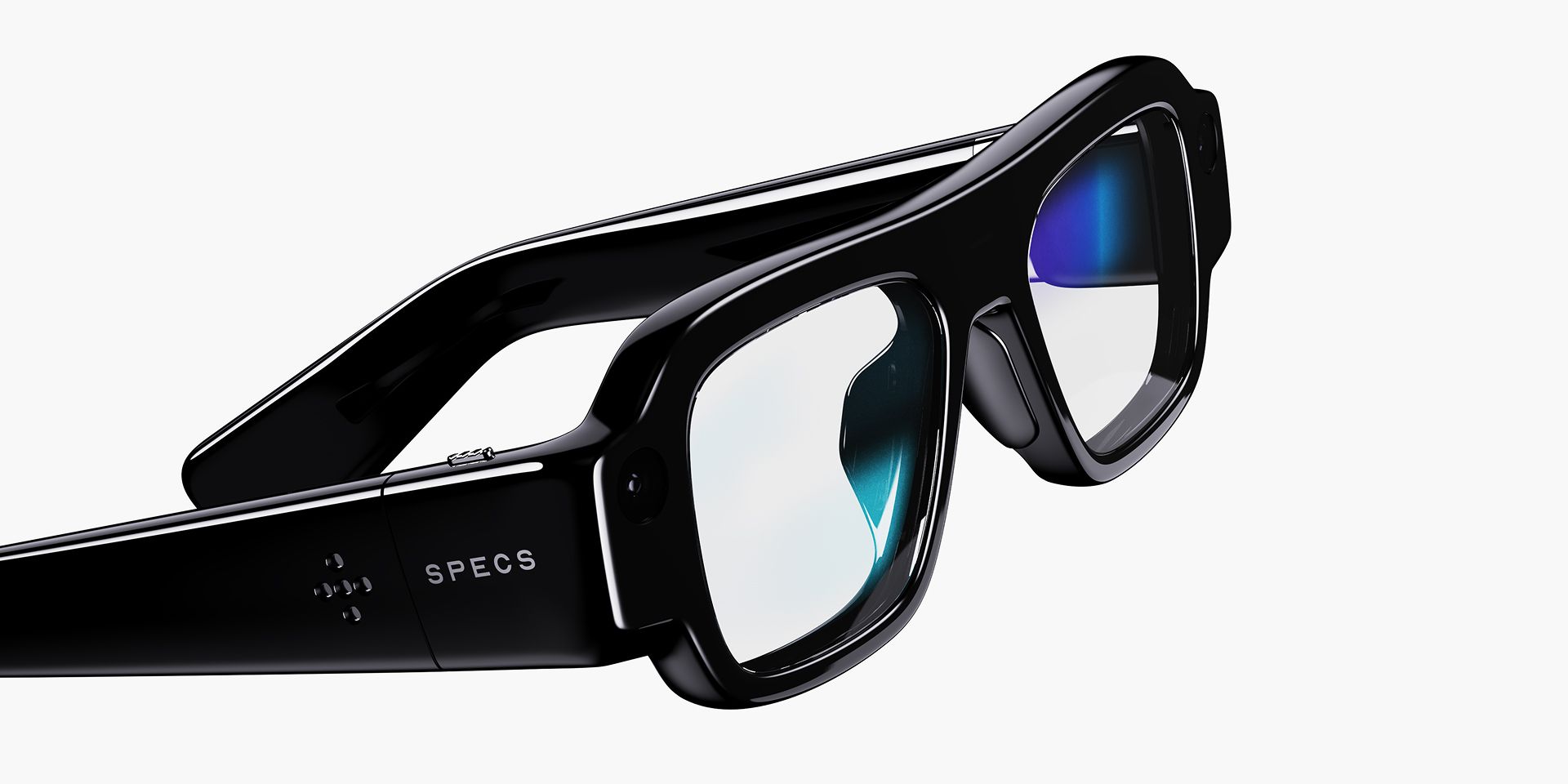
Snap’s Specs are not just a new product—they are a calculated step toward mainstream adoption of AR technology. Unlike previous versions, which were limited to developers and creators, the new Specs are designed for everyday users. Their design, while not fashion-forward, is a marked improvement over the boxy demo units. The glasses feature liquid crystal on silicon microdisplays, offering a 51-degree field of view directly in the center of the user’s vision. This is a departure from other AR devices that use bottom-mounted screens, and it brings the digital interface closer to the user’s natural line of sight.
The Specs come in two versions: 47-mm lenses at 132 grams and 52-mm lenses at 136 grams. They support prescription inserts, allowing for personalized use. The device includes two Qualcomm Snapdragon processors, one for computer vision and one for immersive AR experiences. The glasses have a built-in case that can provide up to four additional hours of battery life.
Snap has also emphasized privacy, with a visible indicator light when the cameras are active. While this feature is common on other AR devices, the concern remains that users might disable it, as seen with Meta’s offerings. For now, the Specs appear to be a closed ecosystem, with all processing done on the device itself, eliminating the need for companion apps or external hardware.
From Hype to Hardware
Snap’s journey into AR has not been without stumbles. The company’s initial foray into hardware with the Spectacles—round-framed devices with built-in cameras—was met with excitement but ultimately failed to gain traction. The products were criticized for their limited utility, despite their novelty. However, Snap’s persistence in the AR space has led to a more refined vision, one that focuses less on content capture and more on immersive, context-aware experiences.
Evan Spiegel, Snap’s CEO, has often spoken about the company’s belief that AR is the next frontier for computing. “We started working on the hardware out of necessity,” he said. “Because there wasn’t anyone else pursuing that vision for computing.” This necessity has driven Snap to develop not just the hardware, but also the tools and platforms that developers need to create compelling AR content. Through Lens Studio and partnerships with companies like Niantic, Snap has laid the groundwork for a growing AR ecosystem.
The High Cost of Innovation
At $2,195, the Specs are undeniably expensive. This price point places them in the same category as Apple’s Vision Pro, a device that, while technologically impressive, has struggled with mass appeal due to its cost and bulk. Snap’s challenge now is to convince consumers that the price is justified by the experience the Specs offer.
Spiegel acknowledges the difficulty, saying, “To offer Specs at $2,195 was a Herculean effort for our team.” The hope is that this price will be more palatable for developers, who have been the main users of previous versions. Whether the Specs can shift the market depends on how well the hardware and software work together, and how compelling the AR experiences are.
As the smart glasses market continues to evolve, Snap’s Specs mark a significant milestone. They are not perfect, nor are they the final answer to the AR puzzle, but they are a step toward making augmented reality a practical, everyday tool. The future of AR may still be uncertain, but with companies like Snap pushing the boundaries, it’s clear that the industry is finally moving beyond hype and into real-world application.